THE FUTURE ACCORDING TO KIDS
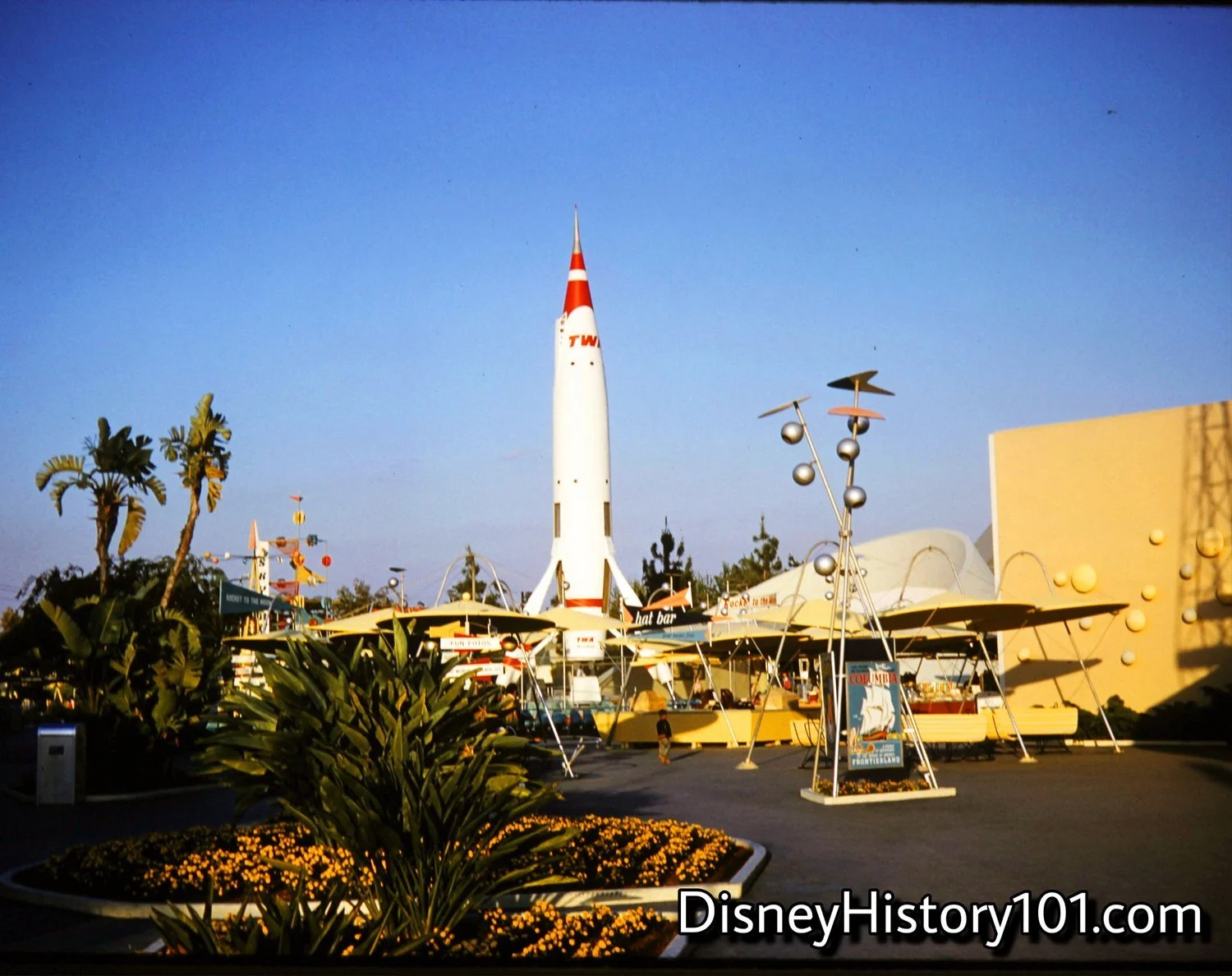
ANAHEIM, CA — JULY 17, 1955 — Surrounded by sprawling orange groves, a tall rocket aims at the moon. Nearby a fleet of kid-sized cars revs engines on the edge of “Autopia.” A sleek monorail zips past as a well-known cartoonist steps to a podium.
Welcome to Tomorrowland!
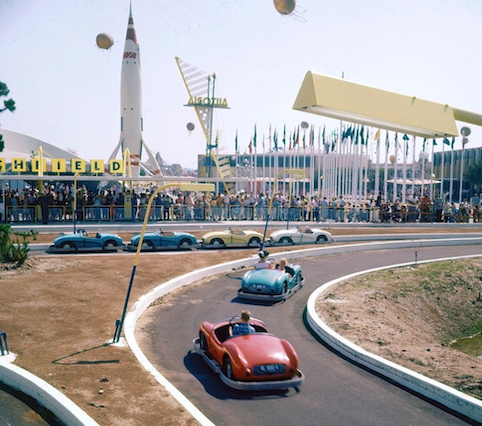
“Tomorrow can be a wonderful age,” Walt Disney tells a TV audience. “The Tomorrowland attractions have been designed to give you an opportunity to participate in adventures that are a living blueprint of our future."
Despite Disney’s blueprint, tomorrow didn’t turn out as predicted. We went to the moon, but not on passenger ships. There are no monorails outside of theme parks. And kids don’t drive their own little cars. But in bold defiance of 1950s atomic fear, Tomorrowland made the future fun, interesting, even exciting. The future according to kids, however, did not begin in Tomorrowland.
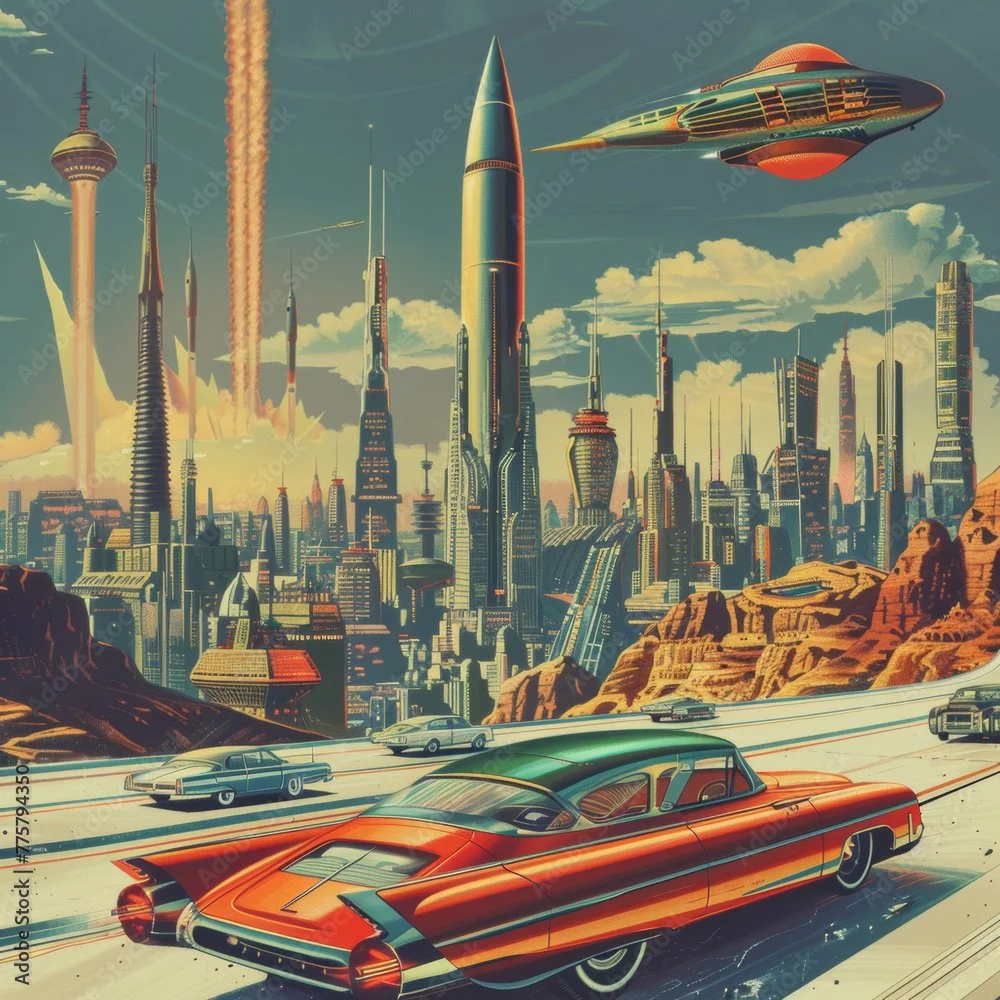
Long before Disneyland’s debut, kidculture urged children to believe. The future will be better, safer, more fun than this drab present you’re stuck in. And you children will make that future. Get busy!
So come along, kiddos. Let’s take a trip back to the future as seen not through doomscrolling screens but as it should be viewed — with hope.
Speculation about the future is as old as the past but it took a boy genius to bring the future down to kid level.
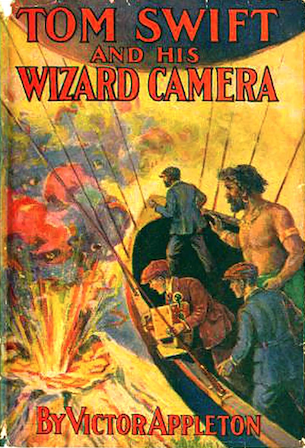
"Are you all ready, Tom?"
"All ready, Mr. Sharp," replied a young man, who was stationed near some complicated apparatus. . .
"I'm going to turn on the gas now," went on the man. "Look out for yourself. I'm not sure what may happen."
"Neither am I, but I'm ready for it!”
For children of a certain age, Tom Swift was the future. Between 1910 and 1960, the boy inventor, “swift by name and swift by nature,” saturated American childhood. Dozens of Tom Swift books painted a fantastic future where kids could be what they wanted, invent what they needed, and live to tell the tale.
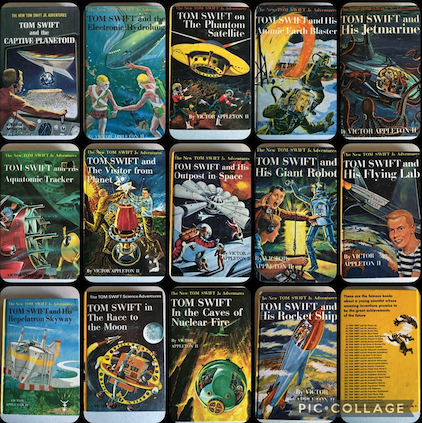
Each new title gave Tom a new techno-toy. Tom Swift and his. . . Airship, Photo Telephone, Wizard Camera, Diving Seacopter, Sky Racer, Electric Rifle, Giant Magnet, Giant Cannon, Ocean Airport. . .
Some 150,000 Tom Swift books sold each year. Among devout readers were boys (yep, boys because the same syndicate gave girls Nancy Drew) who were destined to shape the future. Bill Gates grew up on Tom Swift, and later Tom Swift, Jr. So did Bill Nye, the Science Guy. And Steve Jobs and his Apple co-founder Steve Wozniak. Tom Swift, “Woz” said, taught him “that engineers can save the world from all sorts of conflict and evil.”
For two generations, Tom had kidfutures mostly to himself. Reading was okay — for awhile — but where could you actually visit the future?
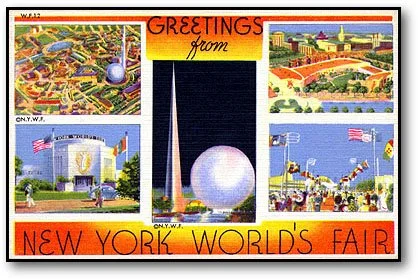
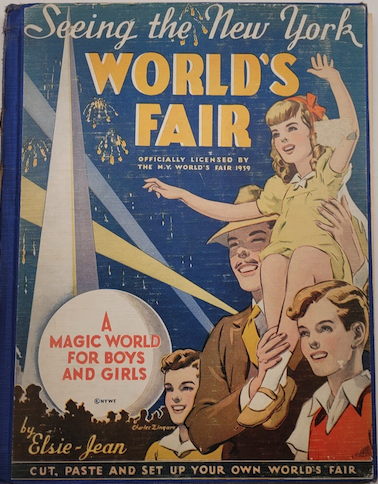
In 1939, the despair of the Depression met its match at the New York World’s Fair. Themed “The World of Tomorrow,” the fair offered kids their own six-acre Children’s World filled with trains, boats, and fun, fun fun. The ViewMaster was introduced at the fair, along with sleek urban panoramas. And in one pavilion stood a box of tubes and wires that adults called “television.” And air conditioning! Color film! Free Cokes and candy! Gee, Dad, the future looks swell!
Then adults got all dark and gloomy again, what with war and bombs and all that homework. Disney gave Tomorrow its own land but not everyone could get to Southern California. Luckily, the future came into kid focus on TV.
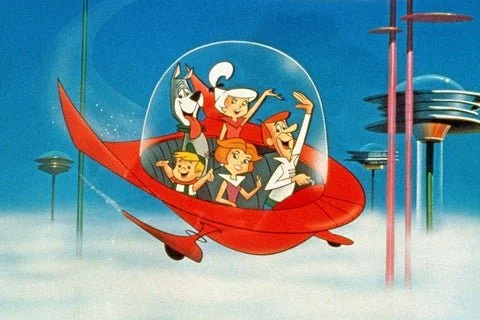
Fall 1962: While the Cuban Missile Crisis brings us to the brink, America’s kids are fast-forwarding a century into the future. High above the clouds in Orbit City, George and Jane Jetson, plus teenage Judy and little Elroy (and faithful dog Astro — “rats right!”) live on the verge of utopia. The robot Rosie does all the housework. George’s own work week is just a few hours. And life offers one tech miracle after another, including some now familiar.
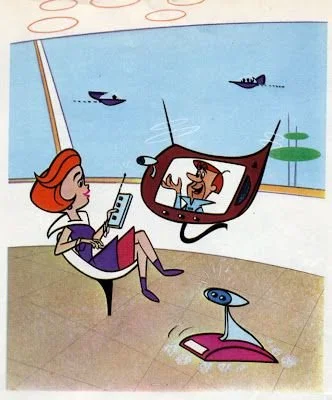
Okay, so we do not have electronic dogs like “L’electronimo.” But “The Jetsons” predicted flatscreen TVs, smart watches, video chats, AI voice recognition, self-driving cars, and more. Something wicked seems to have come to the earth below, hence this city in the clouds, but we won’t talk about that. Saturday after Saturday, “The Jetsons,” Smithsonian wrote, “had a profound impact on the way that Americans think and talk about the future.”
Yet as science fiction master Stanislaw Lem noted, “nothing ages as fast as than future.” So it’s 2026. Do you know where your kids’ future lies?
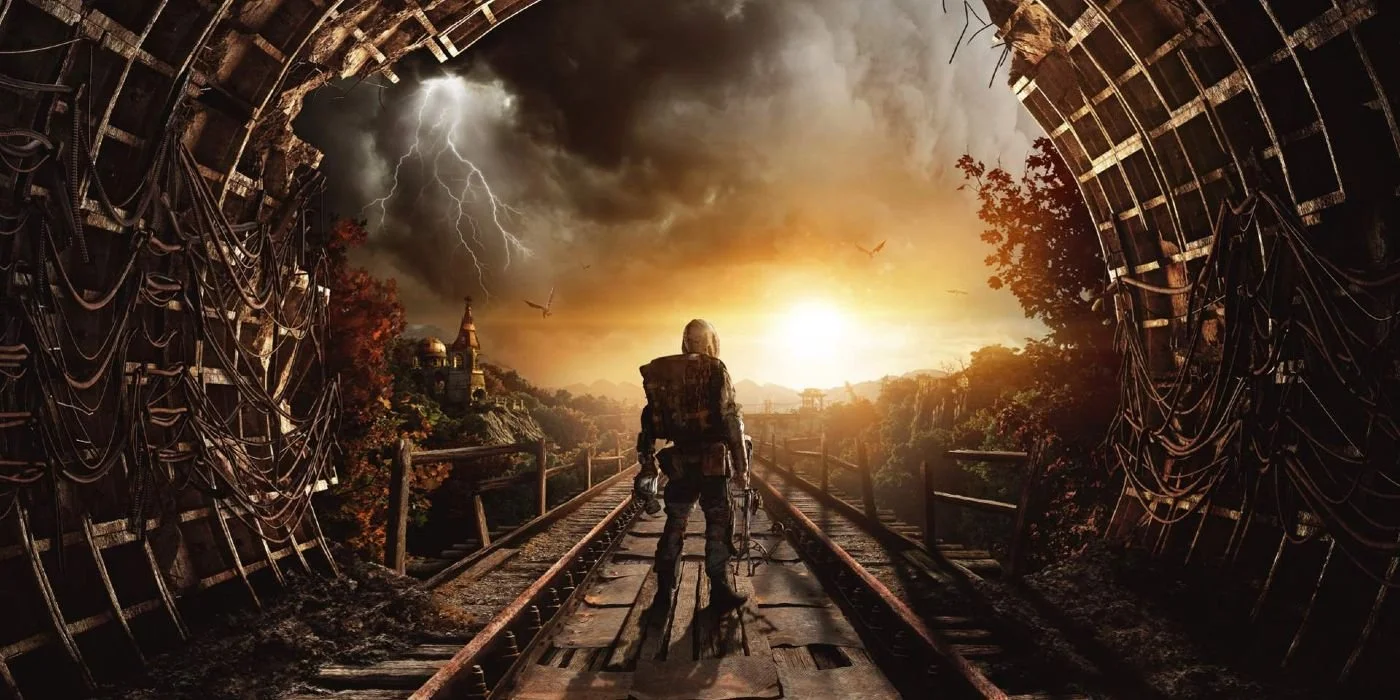
From Pixar’s junkworld robot “Wall-E” to the video game apocalypses of zombies and cyberpunks — and of course “The Hunger Games” — kidculture is gloomier than the adult version. Small wonder that, according to a 2021 poll, 75 percent of those 16-25 find the future frightening. And more than half agreed with the statement “Humanity is doomed.”

Culture vultures now have a name for the future as portrayed “back in the day.” Retro-futurism. How quaint the future looks from there. How innocent, how naive. Did we really believe half of that? Perhaps not, but these days the future, once anticipated, is now a black hole sucking in all ambient hopes, plans, and dreams. There is no way to exaggerate how wrong this is.
Because according to one historian of retrofuturism, “The future, of course, does not exist except as an act of belief or imagination."
So whaddaya say, kiddos? Shall we act, at least, as if there is a future?