
TIME IN A BOTTLE
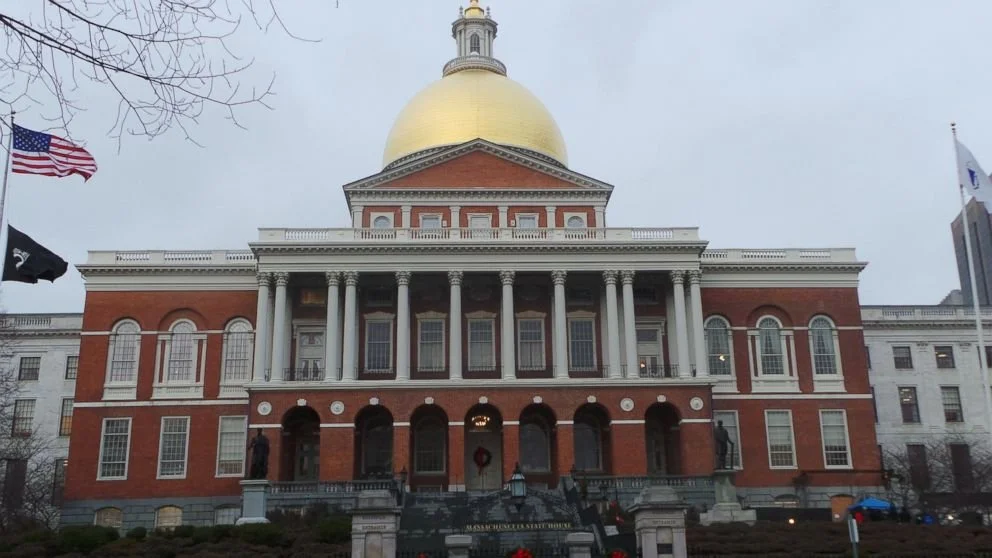
BOSTON, MA, December, 2014 — Stuck in another workday, with time slogging at a workday pace, men fixing a water leak beneath the Boston State House drop their tools. Buried in the building’s cornerstone they spot a brass container, smaller than a cigar box.
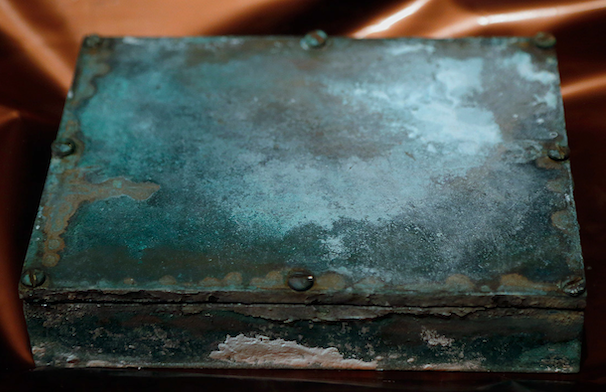
The box lid has no words, no plaque, but workers sense something inside. Something important. They contact the Museum of Fine Arts.
The brass box is soon X-rayed, and as media and city officials watch, opened. From inside, reaching across 220 years, the promise of a new nation emerges.
Seeds of hope, messages in a bottle tossed into the sea of time, some 15,000 time capsules are now buried in the earth. Asia has more than 100, Europe more than 700 , the US more than 800.
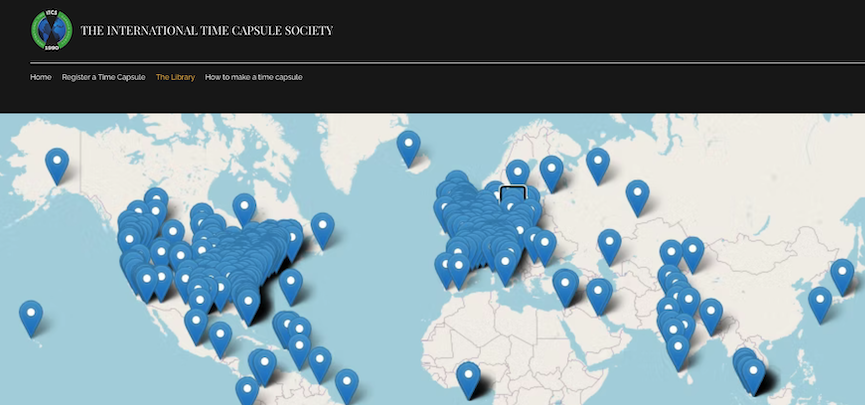
Time capsules have been found at France’s D-Day cemetery, at a Howard Johnson’s motel in Florida, on Alcatraz, the Russian steppes, and in dozens of American malls, parks, and high schools. Shortly after World War II, a capsule was dug up inside Auschwitz, where prisoners had buried bottles containing sketches and writings.
“If you do not think about your future,” wrote novelist John Galsworthy, “you cannot have one.”
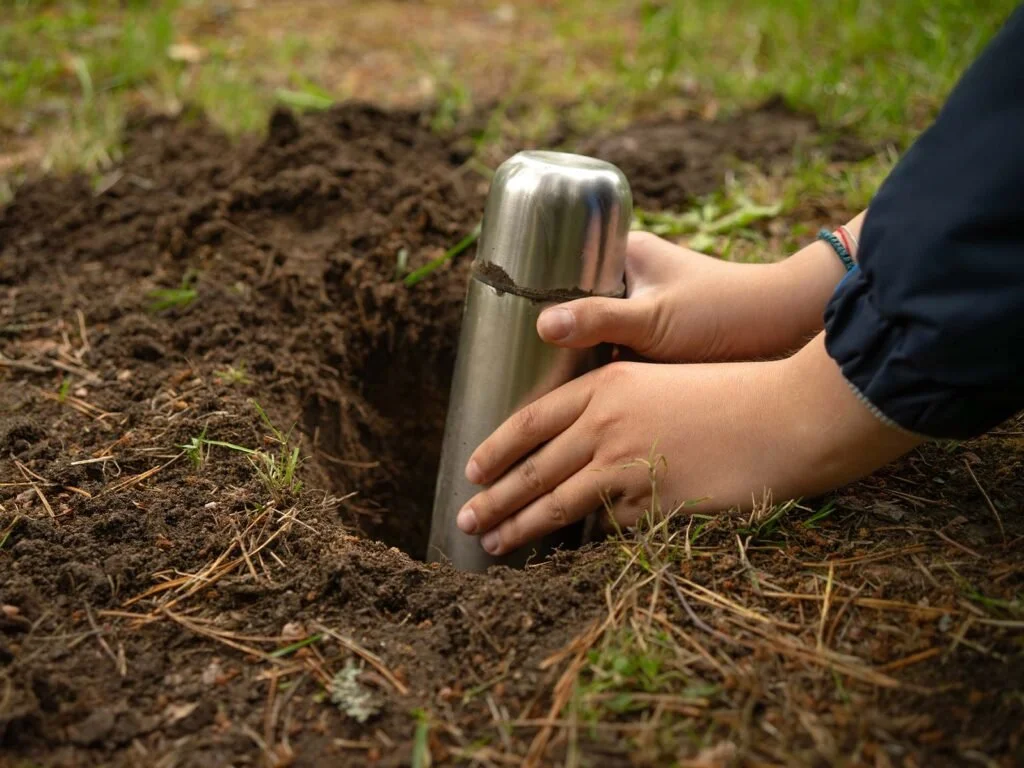
Each time capsule, even if it contains just coins, a newspaper, and maybe a phone book, carries common messages. “We in the present,” time sowers are announcing, “are curious and likeable. The future will care about us. And despite all doubts, the future will unfold.”
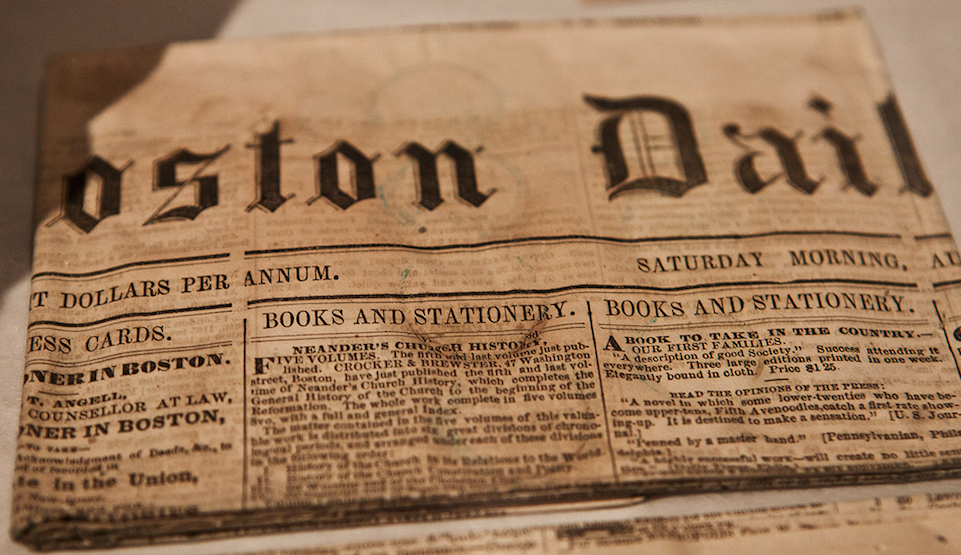
The Boston State House Time Capsule, planted in 1795, is America’s oldest seed of hope. Inside, curators found coins dating to the 1600s, newspapers, of course, and a copper medalllion engraved with a portrait of George Washington. The capsule also held a sliver plaque, attributed to Paul Revere, noting that the box had been planted by Governor Samuel Adams.
Despite the proliferation of time capsules, keeping time in a bottle or box is no easy task. The International Time Capsule Society estimates that 90 percent of capsules will be forgotten and remain buried — forever. Many are found flooded with groundwater. Newspapers crumble. Media tech is obsolete. And then there is the past’s perpetual menace — indifference.
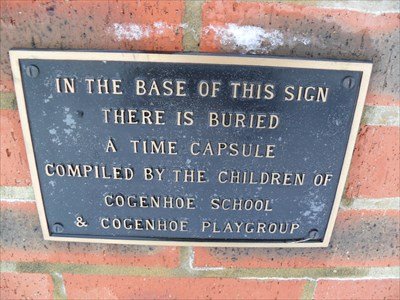
Buried during pompous ceremonies, time capsules often aggrandize their moment. Why else would so many contain what one historian called “useless junk.” Stamps. Coins. High school yearbooks. Ho hum.
In 2015, the director of Smithtown (NY) Historical Society, digging up a capsule buried in 1965, said, “The most interesting thing that came out of the time capsule was the smell. It was horrible.”
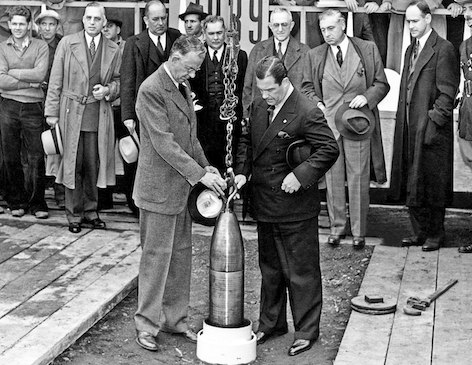
During the 1939 New York World’s Fair, Westinghouse buried an 800-pound Millenium Capsule. At the 1964 World’s Fair, the tube was dug up to add more artifacts. Reburied, it will not be unearthed for five thousand years.
But will the year 6139 care about a microscope, a bikini, and a Beatles record? And what will the future make of Albert Einstein’s 1939 letter praising recent progress but adding, “People living in different countries kill each other at irregular time intervals, so that also, for this reason, anyone who thinks about the future must live in fear and terror.”
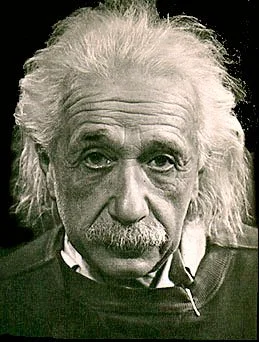
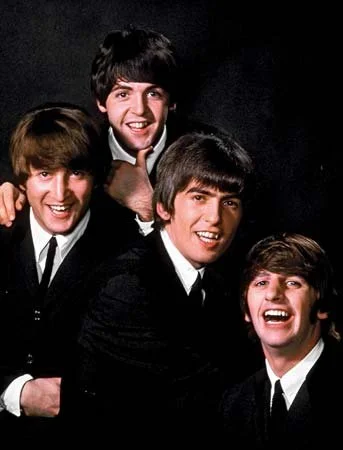
With all due respect to Einstein and the Beatles, time capsules aren’t about artifacts. The main motive for planting the present in a tube or box is simpler. Each time capsule is a plea to the future.
We hope you will like us. We hope you are like us. We hope you are here — still. And if you are, you might be interested in. . .
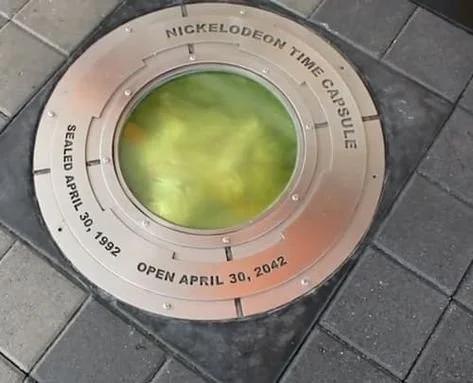
American time capsules range from the somber to the frivolous. The latter include the 1992 Nickolodeon network capsule (pencils, a baseball, a Ren & Stimpy T-shirt) and others buried at Disneyland and Dolly Parton’s Dollyland. Parton’s capsule, to be dug up on her 100th birthday, contains an original song yet to be heard. Reason to stay alive until 2046.
Somber capsules have a purpose beyond vanity or presentism. Consider the Crypt of Civilization.
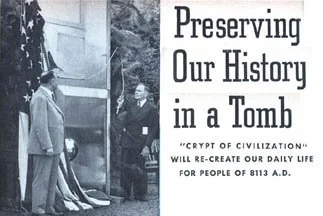
In 1936, Oglethorpe University president Thornwell Jacobs had a 10 x 20 foot chamber built beneath the administration building outside Atlanta. The crypt contained an early TV, a six-pack of beer, and some Lincoln Logs. But it also held 640,000 pages of microfilmed books and religious texts, and a “language integrator” to teach English to whoever finds this treasure. The crypt is scheduled for opening in 8113. Stay tuned.
Along with artifacts, many time capsules contain predictions. Detroit’s “Century Box,” buried on the first day of 1901, included a letter to 2001. “How much faster are you traveling? We talk by long distance telephone to the remotest cities in our own country. Are you talking with foreign lands and to the islands of the sea by the same method?”

A 1959 capsule dug up in Salt Lake City predicted wall sized TVs and “newspapers printed right in the subscribers’ homes by means of electronic transmission and reproduction.” No time capsule would be complete without visions of robots and flying cars, and many contain assorted wild guesses. Detroit’s Century Box predicted prisoners sent to jail “through pneumatic tubes, flying machines, or some similar process.”
Face it. The future chuckles at the past. So innocent. So hopeful. Yet every capsule unearthed by accident is dusted off, resealed, and buried again.
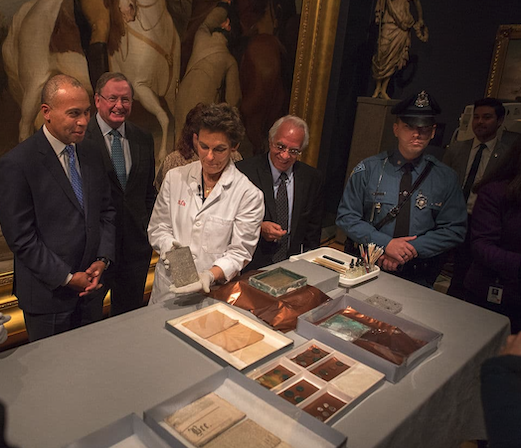
Throughout the spring of 2015, Boston’s 1795 artifacts were displayed at the Museum of Fine Arts. Then, with contemporary coins added, the brass box was ceremoniously reburied at the State House. To be unearthed. . . Some time.
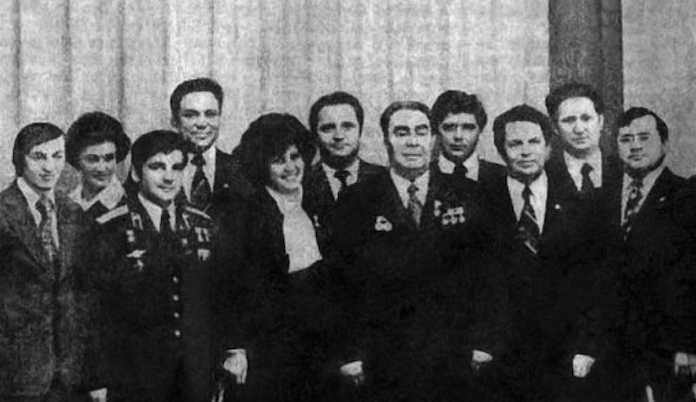
Whether corny, mundane or just crumbling, time capsules let us peer into a future too often hard to face. Their spirit was embodied by members of Komsomol, the Soviet Youth organization. Their 1971 capsule, found in 2012 under a statue of Lenin, included a letter to future comrades.
“We say to you, who will join us in 45 years, let your character be courageous. Let your songs be happier. Let your love be hotter. We do not feel sorry for ourselves because we are certain you will be better than us.”