JOHN W. CITIZEN AND HIS “COMMON CAUSE”
AMERICAN DEMOCRACY — 1970 — On paper and on the street, our democracy seems on solid footing. Recent voter turnout has been typical — about 60 percent. The usual sex and money scandals taint Washington D.C., yet today’s threats to democracy aren’t even in our worst nightmares. Still, John W. Citizen is worried.

''Everyone is organized but the people,'' he will later say, “the middle 80 percent who want the system to work, who want to do something effective for their country.'' That summer, after a rising career through America’s foremost institutions, from the Carnegie and Rockefeller Foundations to the White House, he takes “the risk of my career.”
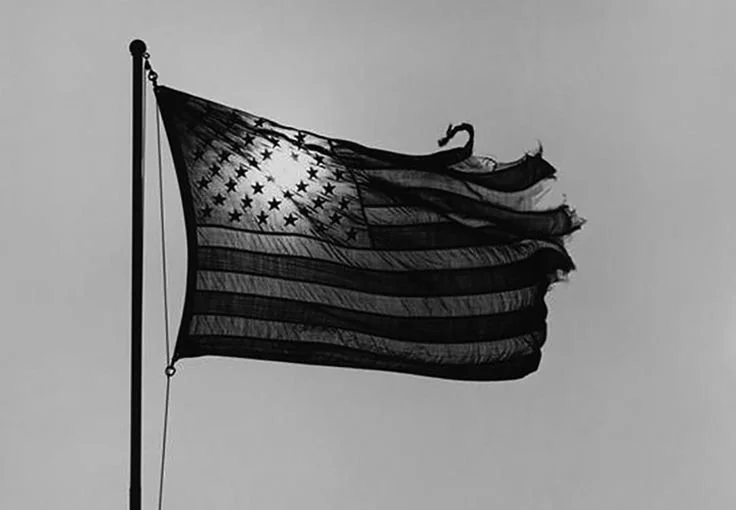
In today’s teetering republic, democracy has a fragmented phalanx of defenders. Responding to the latest outrages, groups ranging from Activate America to Voice of the People promote the basics of American citizenship. Voting. Speaking out. Calling Congress.
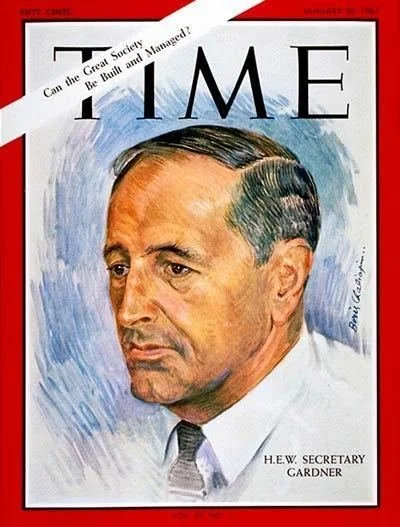
But nearly three score years ago, the first citizens’ group was founded by a buttoned-down bureaucrat in a dark suit and striped tie. Odds are good that you’ve never heard his name. And when you read his credentials — white guy, elite educated, ex-Marine, lifelong Republican — you might be tempted to turn the page. But if you still cling to hope for transparency and fairness in government, you should thank John W. Gardner.
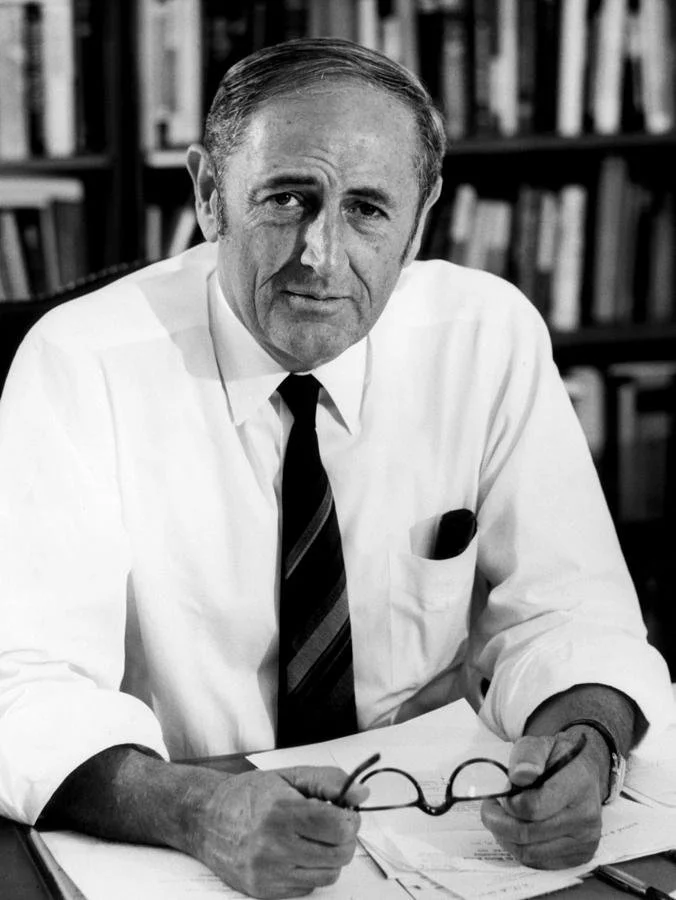
“When Americans attend open meetings or read their government's documents, or take part in our battered but resilient public finance system for presidential elections, there is a memorial to John Gardner,” said Scott Harshbarger, ex-president of Common Cause, which Gardner founded in 1970.
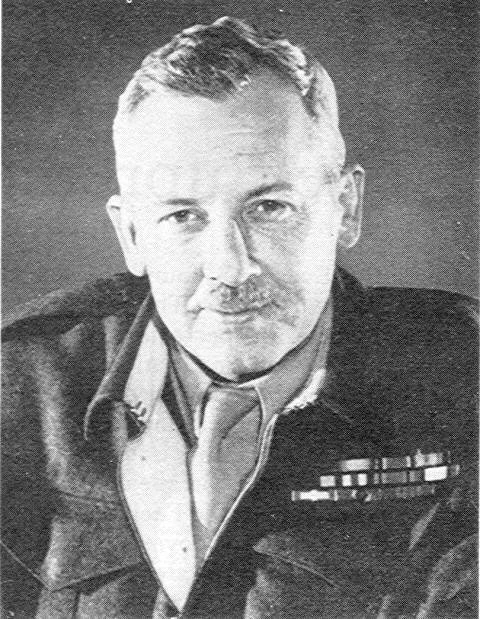
This “modern day Plato” (New York Times) grew up far from the halls of power. Born in L.A. in 1912, Gardner was raised by a single mother who valued “excellence” in arts, music, and her children. At Stanford during the Depression, Gardner was a nationally ranked swimmer, but with dreams of being a novelist, he left college to write. Two years later, his unfinished manuscripts tucked away, he came back, studied psychology and eventually earned a doctorate at UC Berkeley. He taught in private colleges until the war.
After serving in the Marines and the O.S.S., Gardner’s interest in education got him a job at the Carnegie Corporation. Within a decade, he was Carnegie’s president, working with colleges to level the playing fields for women and “minorities.” His work on presidential commissions drew White House attention, and in 1965, LBJ invited Gardner — though still a Republican — to be Secretary of Health, Education, and Welfare.
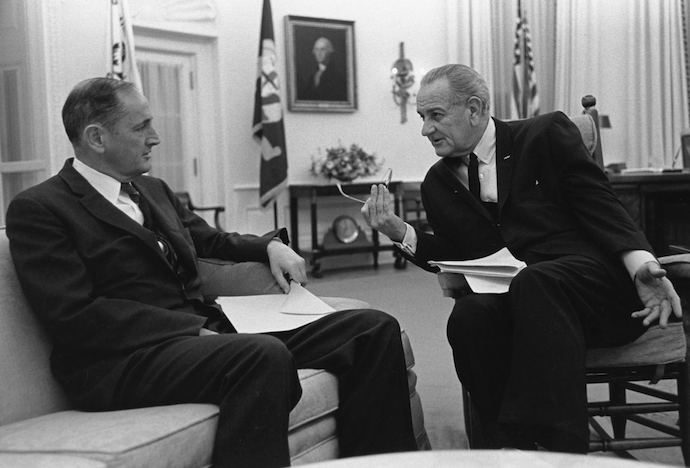
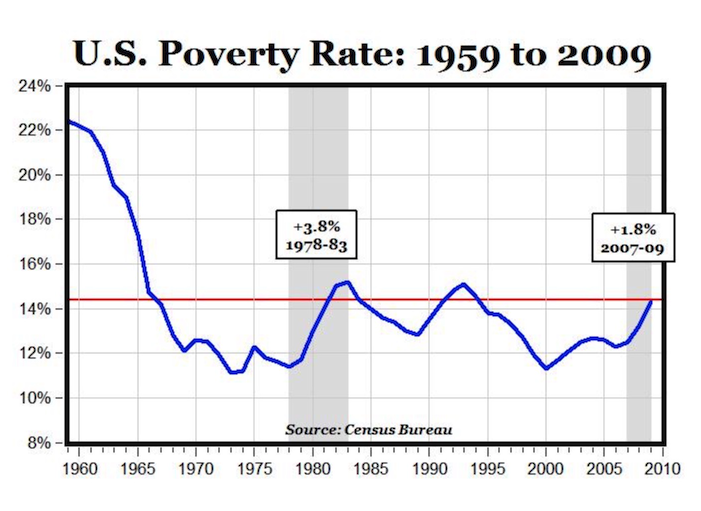
At HEW, Gardner’s first task was to usher in a new federal program — Medicare. On through the dream of the Great Society, Gardner presided over much of LBJ’s War on Poverty, from Food Stamps to Medicaid to VISTA. (And while some say poverty “won that war,” the federal poverty rate dropped from 22 percent in 1960 to 12 percent a decade later.)
Gardner was a key founder of the Corporation for Public Broadcasting (PBS, NPR) and took time out to create the White House Fellows, the internship whose alumni would include Colin Powell and Doris Kearns Goodwin.
Working in Washington, Gardner joked, presented “a series of great opportunities disguised as insoluble problems.” But in 1968, disgusted by Vietnam, he resigned. D.C. politics, he told The New Yorker, made him “think of people sitting in an ancient automobile by the side of the road. The tires are flat and the drive shaft is bent, but they're engaged in a great argument as to whether they should go to Phoenix or San Francisco. In my imagination, I am standing by the road saying, 'You're not going anywhere till you fix the goddamn car.’”
Gardner’s fix was rooted in citizens.

“Dear Fellow Citizen,” Common Cause’s first mailer read. “It’s time to give this government back to its people. But where do we begin? And how? Let’s begin with ourselves. . .”
Some 4,000 responded to Gardner’s appeal. By 1974, after a Common Cause lawsuit forced Nixon’s campaign to reveal donors’ names (earning Gardner a place on Nixon’s Enemies List), and after Common Cause lobbying led to the first campaign finance reform and a new Federal Election Commission, Gardner’s group had 320,000 members.
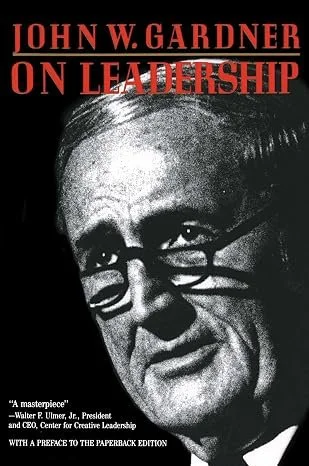
Common Cause later threw its weight behind ethics reform, helping to close the “revolving door” between government and business. In the ‘80s and ‘90s, its lawsuits led to the resignations of House Speakers Jim Wright and Newt Gingrich. But by then, John W. Citizen had moved on, forming Experience Corps to guide seniors into tutoring at local schools. He was also writing books about citizenship, leadership, and other foundering ships of state.
“The plain truth is that in our society, we’re going to save ourselves or we won’t be saved.”

Gardner died in 2002 but his Cause lives on. Today, a million Common Cause members in 25 state chapters are filing lawsuits, gathering signatures, and speaking out against the myriad threats. “2025,” Commoncause.org noted, “was a whiplash moment for American democracy.” But from suing to stop gerrymandering to training 15,000 Election Protection volunteers for the midterms, the group is "upholding the core values of American democracy.”

Politics, it’s said, makes strange bedfellows. But however unkempt the bed, democracy depends on citizens like John W. Gardner. Not too flashy, not too pedantic, not a great speaker, just a man who believed in Us, the people.
“There are men and women who make the world better just by being the kind of people they are. They have the gift of kindness or courage or loyalty or integrity. It really matters very little whether they are behind the wheel of a truck, or running a business, or bringing up a family. They teach the truth by living it.”