WHERE MAKERS DARE
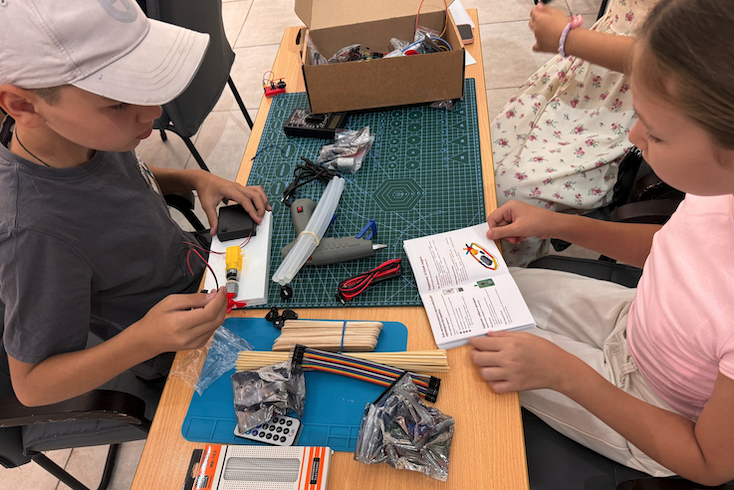
THE DRAWING BOARD — It’s lonely in here. You tweak your latest gadget, crank your newest gizmo, troubleshoot from the hip. And when you’re done, your buzzer finally buzzes, your speaker speaks. But other than you, alone at your drawing board, who cares?
Meet the Makers. This weekend, and somewhere on almost every warm weekend somewhere in the world, inventors, artists, and masters of all things digital are gathering for another fair — a “Maker Faire.”
“Before Maker Faire,” proclaims makerfaire.com, “creatives and academics were labeled by their specific trade — engineers, crafters, programmers, artists, etc. We started calling the people behind the projects ‘makers.’ The term ‘maker’ changed everything.”
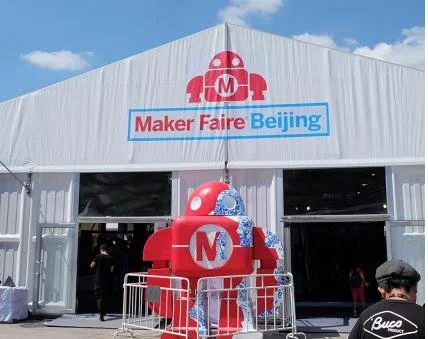
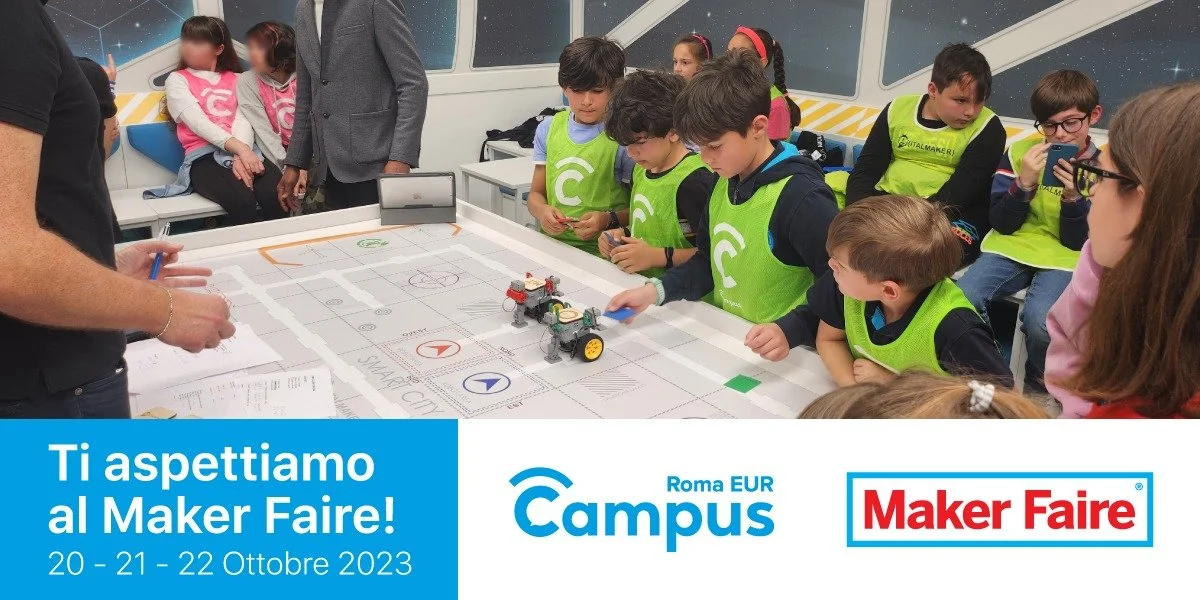
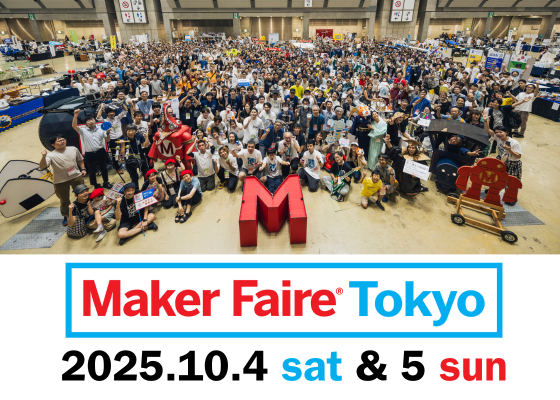
What began in that perennial hub of whacked out innovation — the Bay Area — has gone global. Since 2006, when the first Maker Faire drew 20,000 tinkerers to the San Mateo Fairgrounds, maker faires have sprouted from China to Israel, from Spain to Chile, from the shores of West Africa to the lawn of the Obama White House. Think Edison and Ford. Think. . .
“The maker movement is more than a hobbyist trend,” the website continues. “It’s a cultural shift. It celebrates the power of human ingenuity and reminds us that we can all create, connect, learn, and share while doing what we love.”
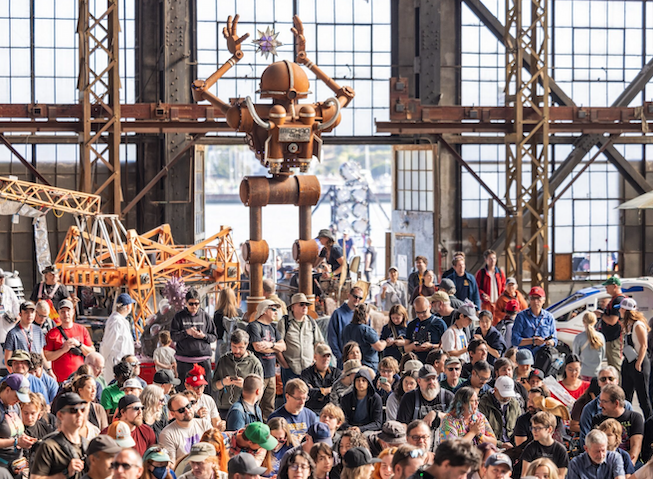
Next weekend, Sept. 25-27, the 20th annual SF Maker Faire will draw 50,000+ people to Mare Island in the middle of the bay. Some 400 exhibits will range from robotics to “video clocks,” from a house made of 5,000 spoons to a Stanford astrophysicist’s home made planetariums. “Advanced Animatronic Gorilla,” anyone?
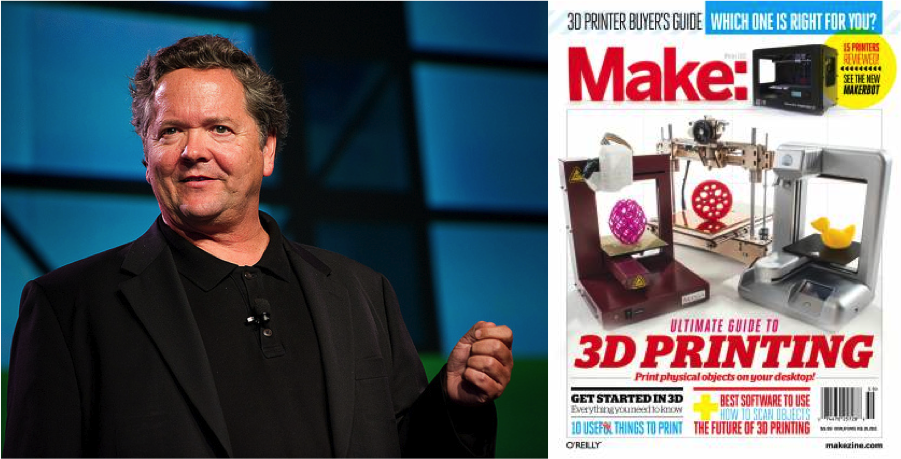
Repeat after me. D-I-Y. The Maker Faire, jumpstarted by Make Magazine, turned those three letters — short for “do-it-yourself” — into a household acronym. But when Dale Dougherty started Make, he dreamt of more than tinkering.
Dougherty felt an "artificial loneliness to creating cool new stuff.” Beyond the longing to share ideas, Dougherty also tapped an embattled Zeitgeist. By 2006, the same braniacs who created the first PCs in the 1970s were annoyed by what all those MACs had wrought.
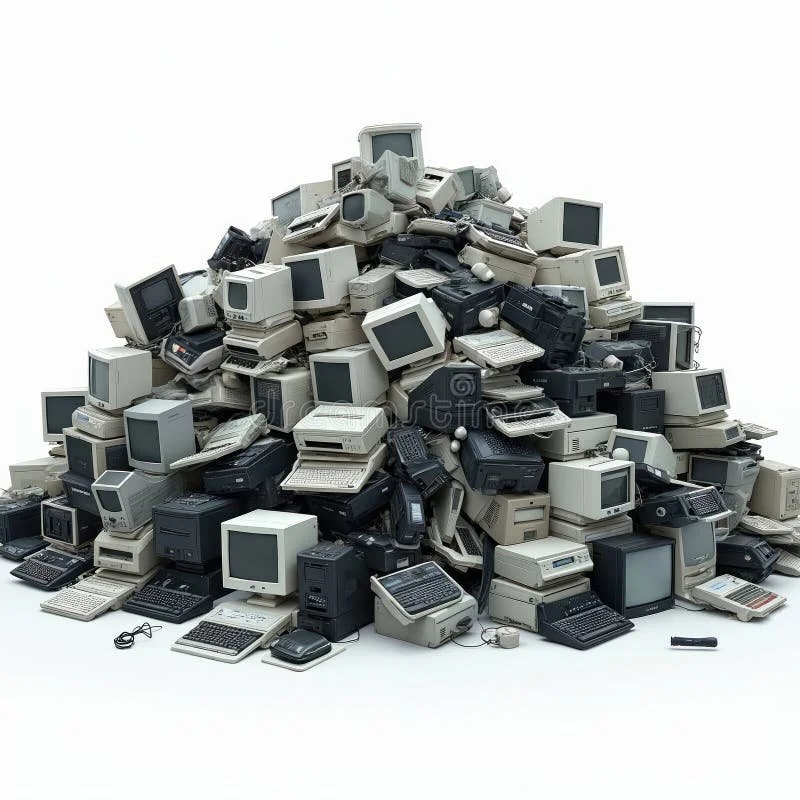
The new Makers, the New York Times wrote, were “part of a grass-roots rebellion. . . To these restless minds, increasingly sophisticated consumer products have forced users into a kind of stupefied passivity, with nothing to do but replace batteries and update software, to point and click into a zone of blissed-out consumption.”
The rebellion grew not just at faires but online, as makers worldwide shared coding, designs, and tips on Youtube, Reddit, and assorted websites with techno-names such as MakerBot and Thingiverse.
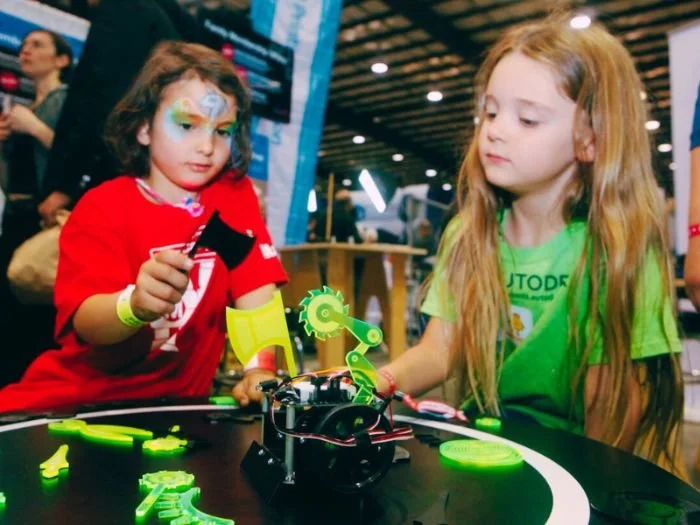
So maybe you have a better idea? Maybe you dream of some digital doodad that will feed your pets, play “tiny robot soccer,” or use lasers to “build trippy, vibrant, layered compositions in real-time.” Back to the drawing board, but this time bring your Arduino.
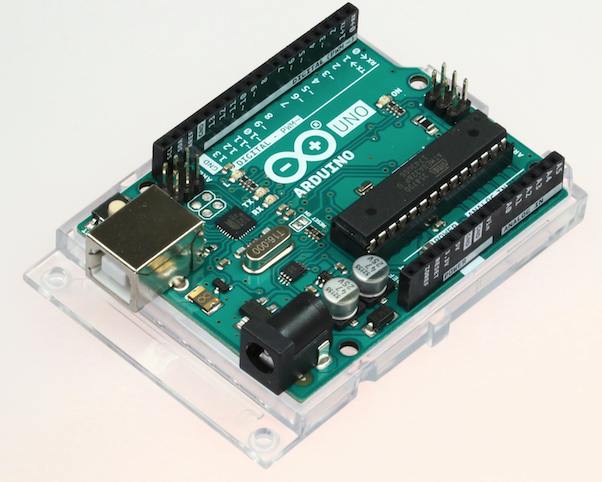
Italian for “strong friend,” the Arduino makes Maker Faires possible for the masses. Today’s MACs and PCs are all but tinker-proof, but a $30 Arduino circuitboard is an open invitation, using open source coding (whatever that is) to digitize almost any action, antic, bell, buzz, or whistle you can imagine.
Arduino and several spinoffs, combined with a little ingenuity and a soupçon of fun, turn every Maker Faire into a craft faire of the future.
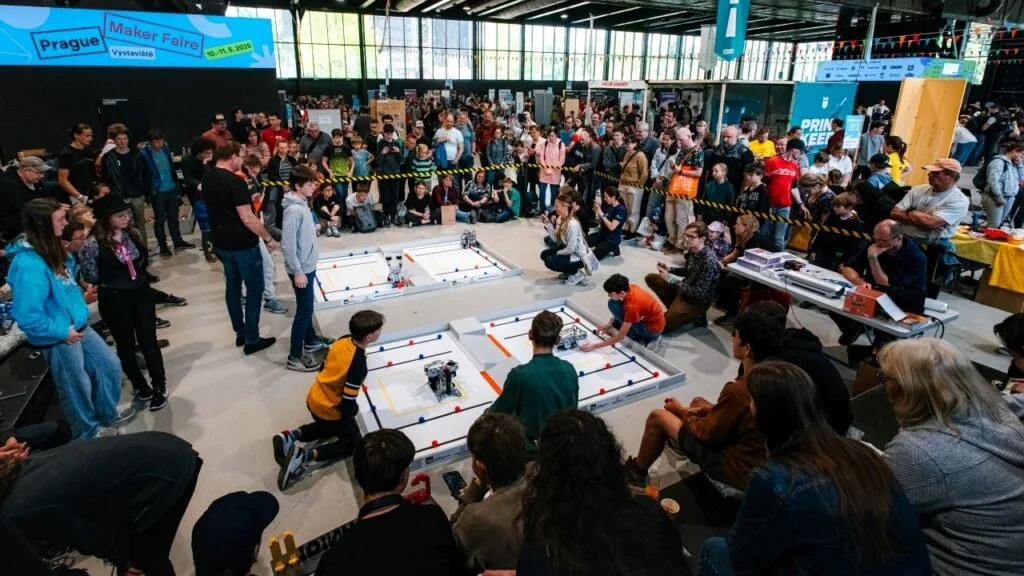
Whether it’s a giant meet-up such as San Francisco’s, or one of the many mini-faires hosted by a school or science museum, Maker Faires buzz with energy. This is where Burning Man’s “burners” go when they’re burnt out on Burning Man. This is where information, escaping the daily doomscroll, still “wants to be free.”
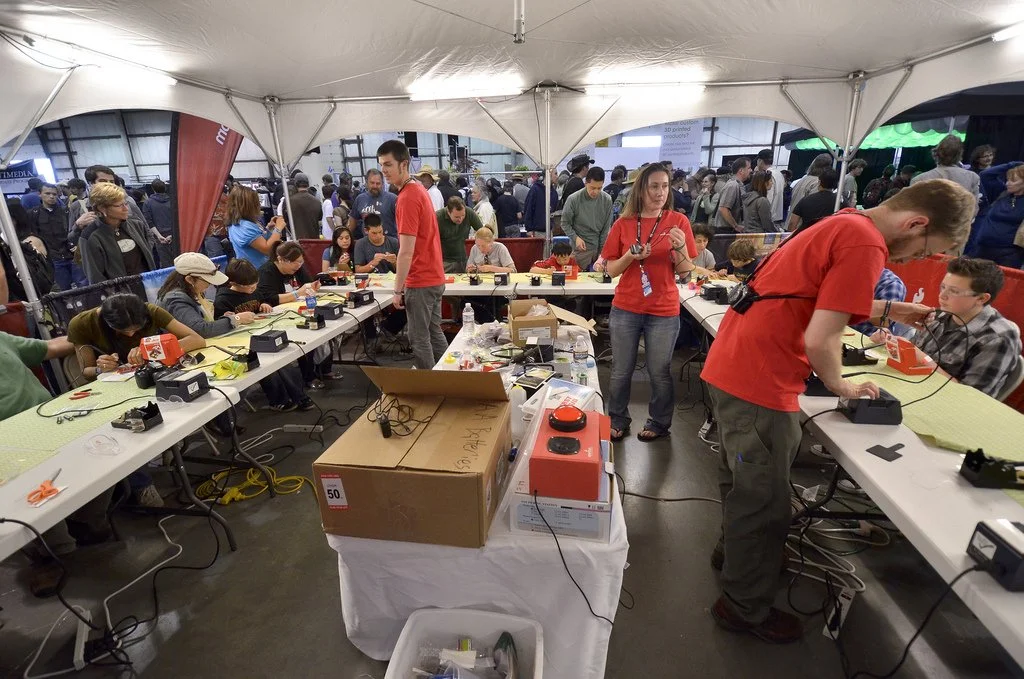
Booths, many staffed by teens who look like they haven’t seen the sun in ages, feature the lastest remote controlled robots and drones, along with dozens of 3-D printers. Colorful playground equipment that looks like bad plumbing is always onhand. Kites and giant bubbles soar. Talk is techie but tinged with an abiding affection for possiblity.
“The cool thing about it is that no one made people do this for work,” said AnnMarie Thomas, Executive Director of the Maker Education Initiative. “This is people doing things they’re passionate about.”
The largest Maker Faires also talk a good game. San Francisco’s will feature such free-thinking talks as “There Are No Rules: Individuality and Innovation,” “Don’t Ask Permission,” and “Better Robots Through Philosophy,” a discussion of the ethics of AI (do I hear an “amen”?)
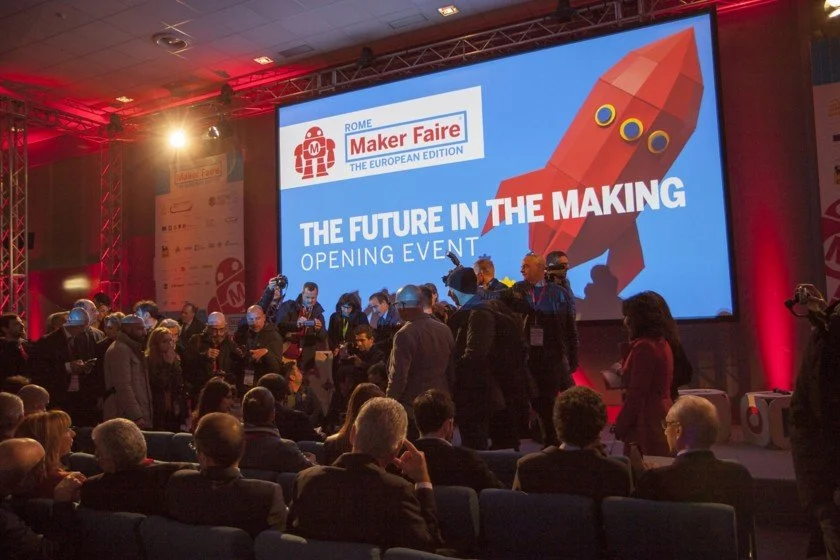
So if you can’t make it to the Bay Area Maker Faire, don’t despair. A faire is likely coming to a school, park, or museum near you. Check makerfaire.com for a schedule. And rest assured that when each faire folds its tents, sending makers back to their drawing boards, their spirit will live on, and online.
“It is easy to laugh at the idea that hobbyists with 3D printers will change the world,” The Economist wrote. “But the original industrial revolution grew out of piecework done at home, and look what became of the clunky computers of the 1970s. The maker movement is worth watching.”