
I DREAMED I SAW JOE HILL

SALT LAKE CITY - JANUARY 10, 1914 — In a small store, on a frigid night, shots ring out. Two men race out of John Morrison’s grocery, leaving two bodies behind. Police soon arrest a Swedish immigrant. His only previous record is a 30-day vagrancy stint, but the press calls him “an undesirable citizen” and the cops clamor for his conviction.
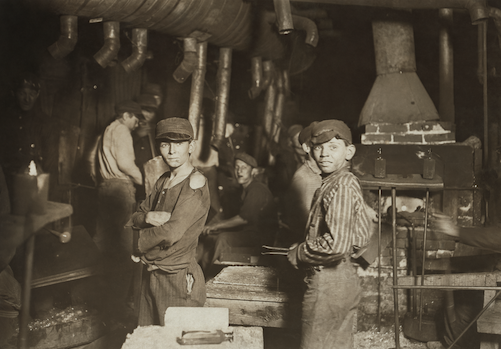
Labor is America’s hidden history. The men and women who built this country were too busy working to tell their own stories. Aside from the Mill Girls and an occasional strike, our mainstream history buries the struggles of labor. The truth, filled with bloody battles, bullets, and dynamite, threatens to poison the American Dream, yet some stories sneak through, often in song.
I dreamed I saw Joe Hill last night
Alive as you or me.
Says I, “but Joe, you’re ten years dead,”
“I never died,” said he.
Back in his native Sweden, when his father died in an industrial accident, Joel Hägglund went to work. From age eight, he toiled in factories, helping his mother raise six children. When she died, the 22-year-old bet his future on America.
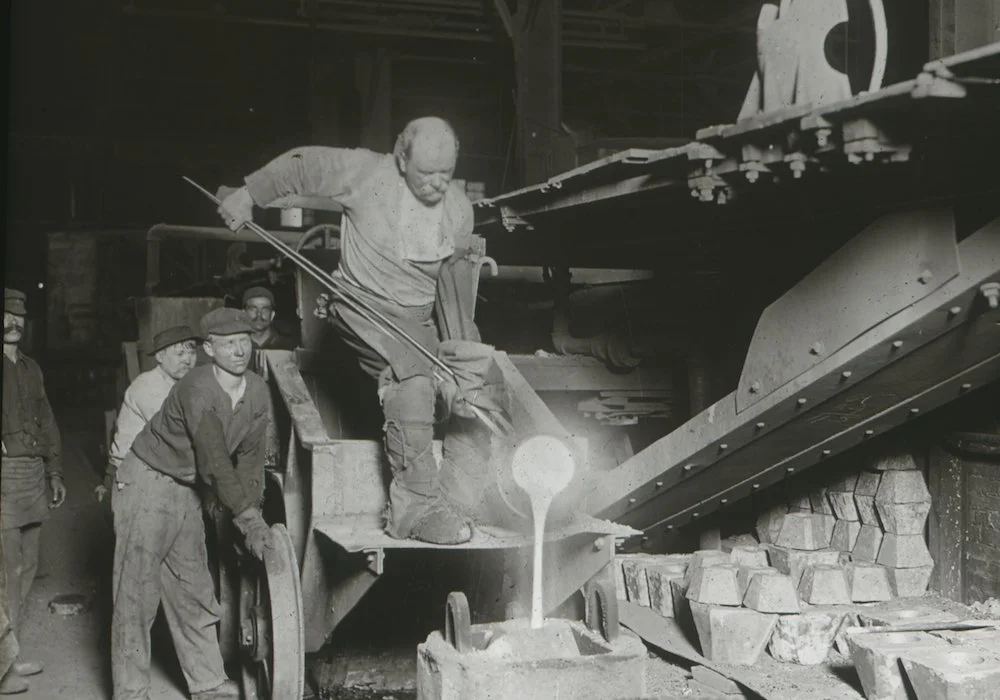
Throughout the first decade of the 20th century, calling himself Joe Hillstrom and later just Joe Hill, he toiled 60-hour weeks in mills, factories, and shipyards. Radicalized and uplifted by the Industrial Workers of the World, Hill turned up wherever “working men defend their rights.” And having played guitar, organ, and accordion since childhood, he wrote songs. His first published song, “The Preacher and the Slave,” became a folk classic.
Long-haired preachers come out every night
They’ll tell you what’s wrong and what’s right
But when asked about something to eat
They’ll answer in voices so sweet. . .
In mocking long-haired preachers’ sweet promises, Hill coined a new phrase — “pie in the sky (when you die).” But “that’s a lie.”
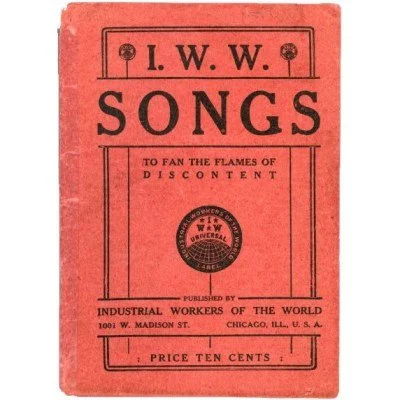
Between 1910 and his arrest for murder, Joe Hill wrote two dozen songs. Published in the IWW’s Little Red Songbook, they were sung in soup kitchens and on picket lines, becoming the soundtrack of the rising labor movement. Hill never made a dime, but profit wasn’t the point.
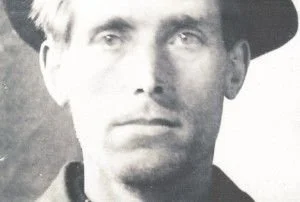
“A pamphlet, no matter how good, is never read more than once,” he said, “but a song is learned by heart and repeated over and over.” If a songwriter “can put a few cold, common sense facts into a song, and dress them up in a cloak of humor,” he could reach the mass of workers “too indifferent to read a pamphlet or an editorial on economic science.”
In January 1914, Hill hopped a freight out of L.A. bound for Chicago. But he had friends in Salt Lake. On the night of January 10, he left a friend’s house and went. . . somewhere. Toward midnight, he stumbled into a doctor’s office with a bullet in one lung.
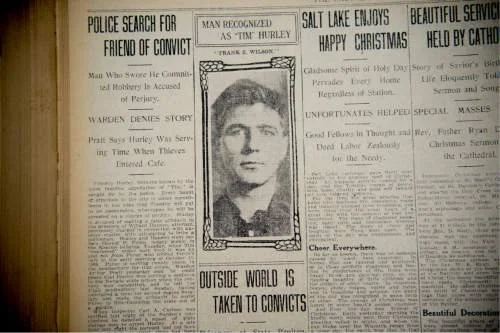
With his wound dressed, Hill went home. The next day, ignoring “the usual suspects,” including men whom the murdered grocer, a former cop, had put in jail, police arrested Joe Hill. During three days in solitary, he refused to confess. When his Swedish accent led to questions about his immigrant status, he claimed to be “a citizen of the world.”
Those who know labor history can see the handwriting on the prison wall. “The police department and the press had found Joe Hill guilty long before the trial date approached,” historian Philip S. Foner wrote.
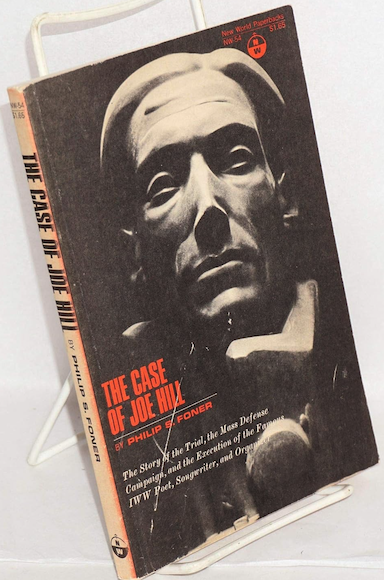
In the witness stand, Hill testified that he had been with a woman that night and was shot by her boyfriend. But he refused to name names. The prosecution answered with plenty of evidence — later judged circumstantial. The jury deliberated all night, then came back with a verdict and a death sentence — by hanging or firing squad.
Hill chose the latter. “I have been shot a few times in the past and I guess I can stand it again.”
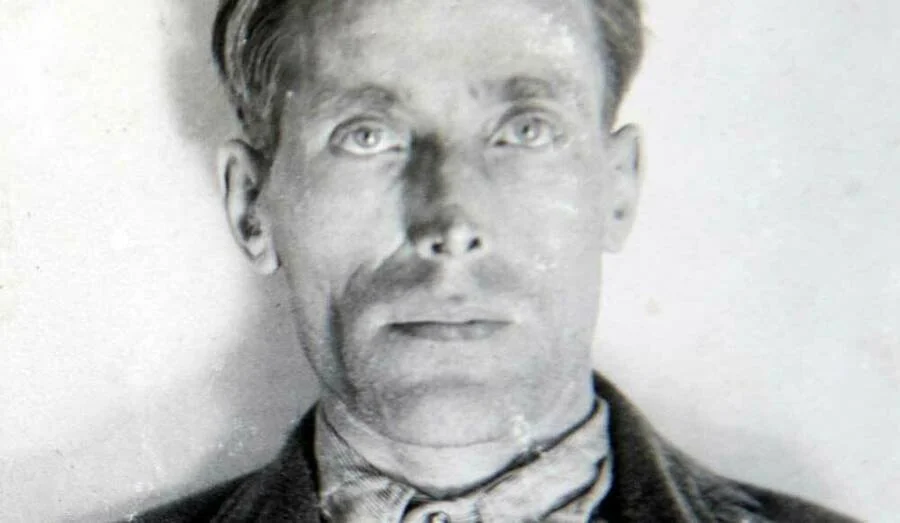
With execution set for October, protests mounted. Appeals were denied. Hill’s innocence was touted by the Swedish ambassador, by AFL leader Samuel Gompers, and by the president of the United States. Woodrow Wilson called on Utah to postpone the execution and managed to get a stay. But Wilson refused to pardon Hill, and Utah refused to back down.
Just after sunrise on November 19, 1914, Hill stood before a line of riflemen. “Let it go!” he shouted. “Fire!”
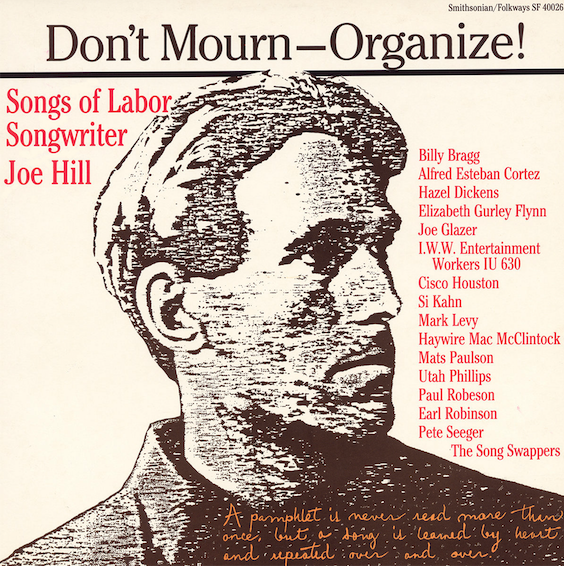
Weeks before, Hill had written to IWW leader Bill Haywood. “Goodbye Bill: I die like a true rebel. Don’t waste any time mourning, organize!”
Obeying Hill’s request — “I don’t want to be found dead in Utah" — the IWW shipped his body to Chicago for a service where 30,000 workers sang his songs. Envelopes containing his ashes were mailed to organizers across America. But it was his spirit that proved eternal.
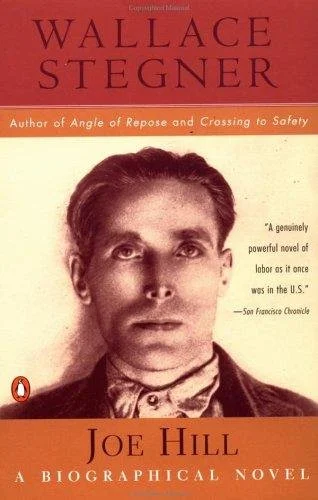
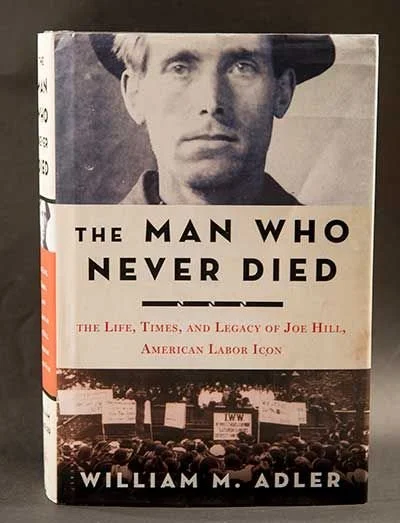
The story of Joe Hill has now become: a novel by Wallace Stegner, parts of novels by Upton Sinclair and John Dos Passos, four Hollywood movies, monuments in California and Salt Lake, an opera, a half-dozen biographies in the last decade, and a song based on a 1925 poem and sung by the usual folkies, including Joan Baez at Woodstock.
But the last words should be Joe’s. With ample time to pen his will and testament, Hill wrote lyrics.
My will is easy to decide
For there is nothing to divide
My kin don't need to fuss and moan
"Moss does not cling to a rolling stone."
My body? Oh! If I could choose
I would to ashes it reduce
And let the merry breezes blow
My dust to where some flowers grow.
Perhaps some fading flower then
Would come to life and bloom again.