
A FINE FEATHERED MOVEMENT
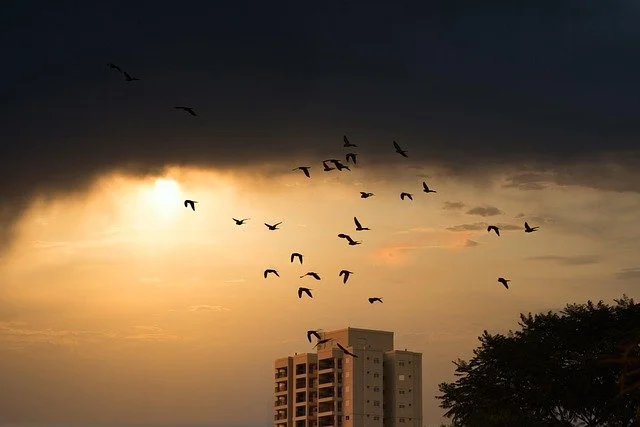
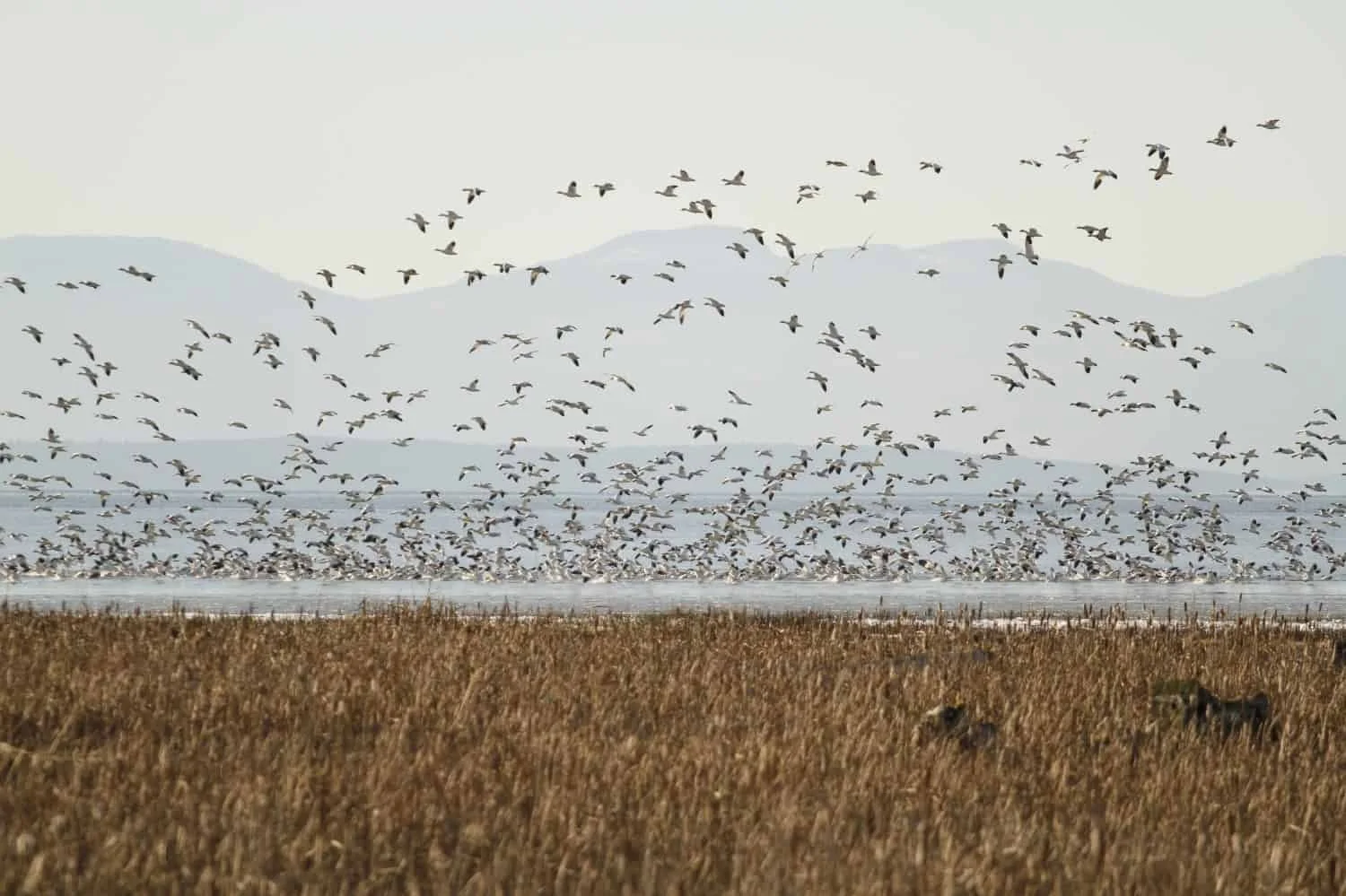
MANHATTAN, MAY 17, 2026 — As dusk settles, the birds approach the city. As if auditioning for a certain Hitchcock film, thousands and thousands of birds flock across the five boroughs. Some soar above the candelabra city but most weave through its labyrinth of lights. Dodging, swooping, they struggle to continue the miracle migration that began in Mexico or points still farther south. The flocks are almost in the clear, but the lights, the lights are everywhere.
Before this night is over, a half million birds will cross the city and continue north. But thousands will not make it.
Thunk!
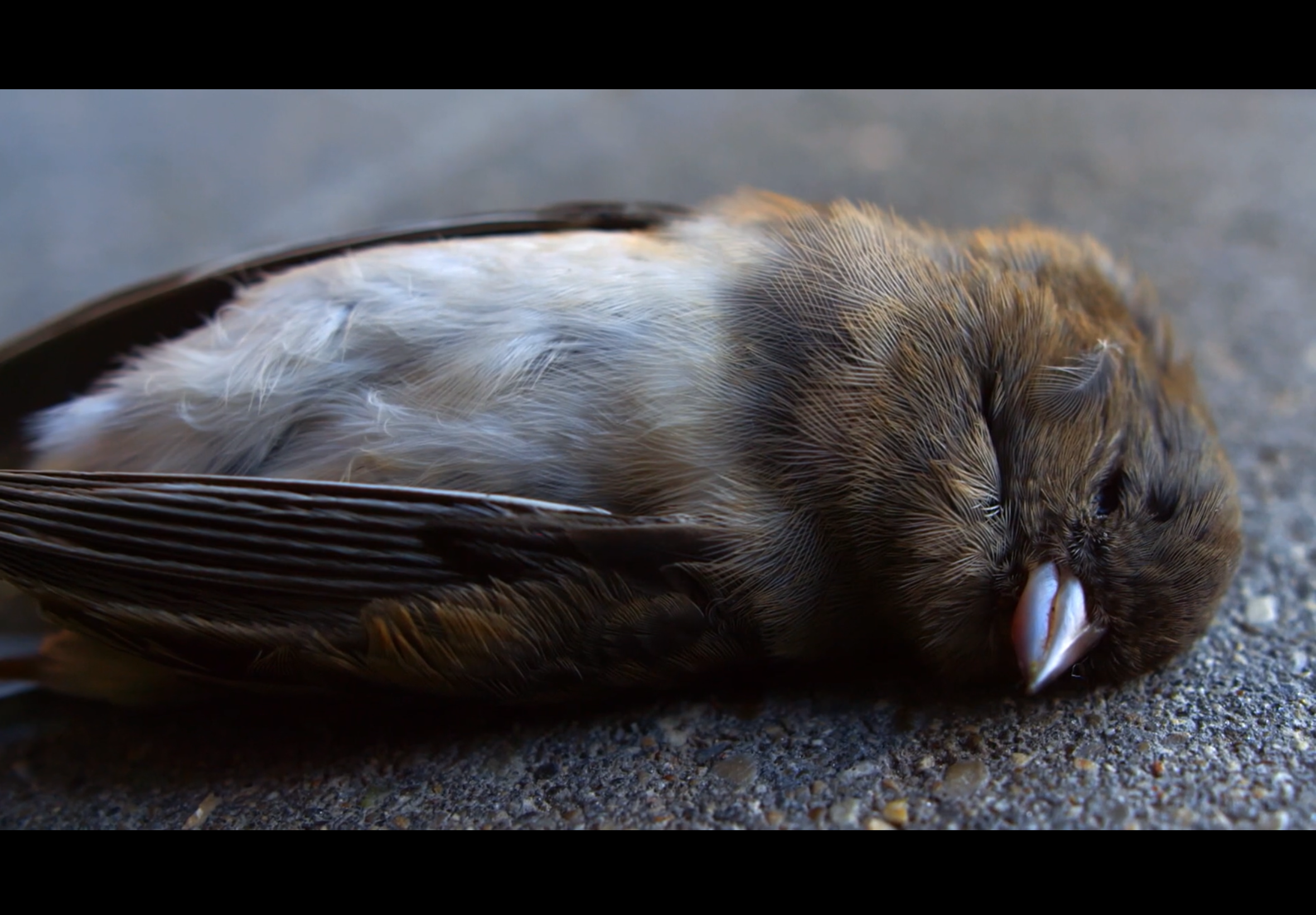
“I find them in the gutter sometimes,” says Melissa Breyer of Project Safe Flight, the New York City Bird Alliance program that roams the streets each morning, gathering dead birds, saving the few that can be saved. “I find them in the street. I look all around. A lot of times, after they hit, they’ll fly to a tree and then die. So I’ll find them under trees a lot.”
Chestnut sided Warbler, Oven Bird, Common Yellowthroat. . .
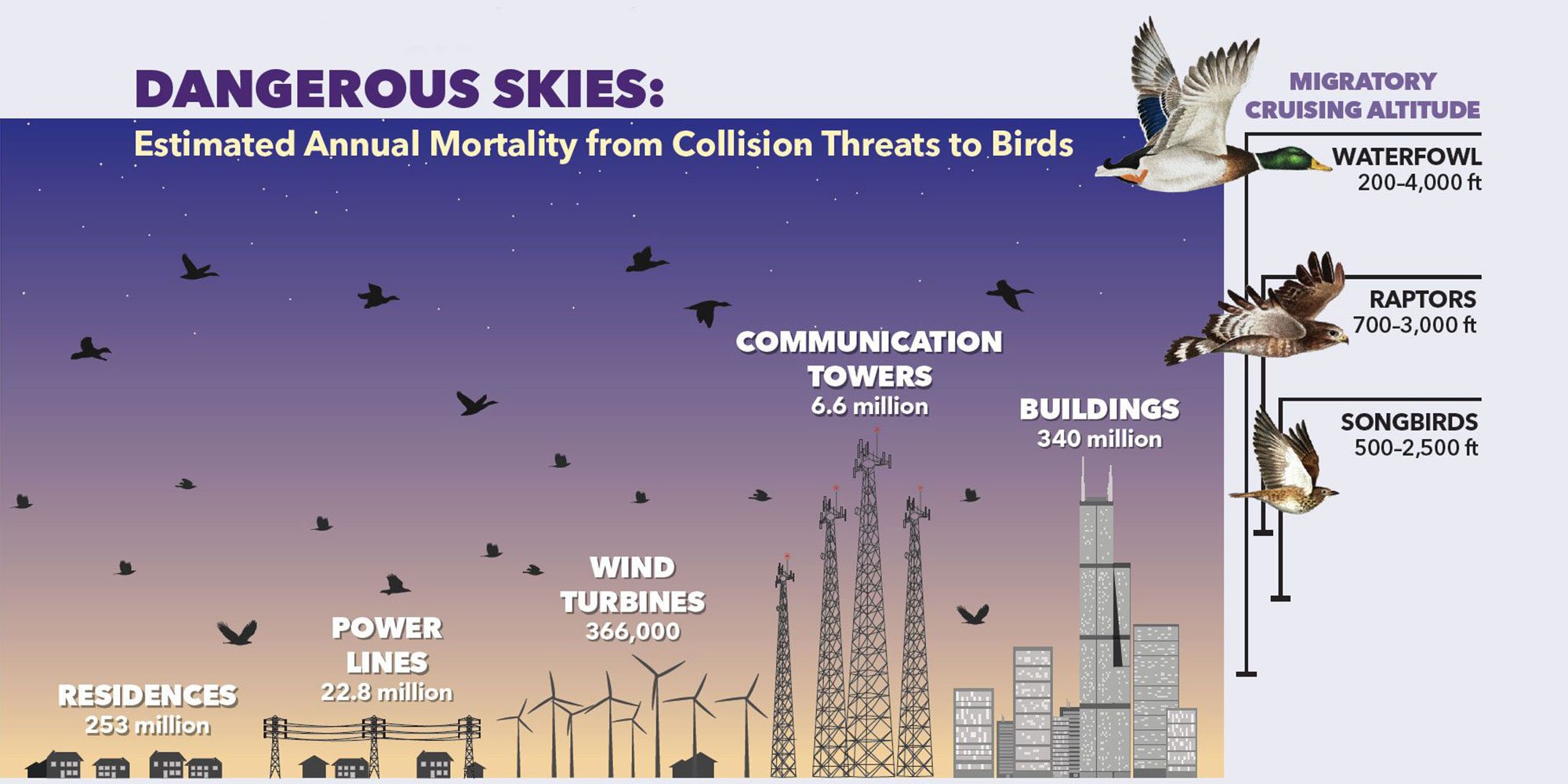
The numbers are staggering. Since 1970, the Audubon Society estimates, one in three birds, some 3 billion in all, have “quietly disappeared.” Domestic cats are one cause, pesticides another, but the chief cause is our glassy, glitzy, mega-lit cities.
“If you’re a house sparrow that lives in the city,” says Brian Evans, research ecologist with the Smithsonian National Zoo, “you probably know that building is there. It’s those birds that are moving through this environment that are naive to these buildings. Even the strongest and smartest birds can collide with windows. I, myself, have collided into many a sliding glass door.”
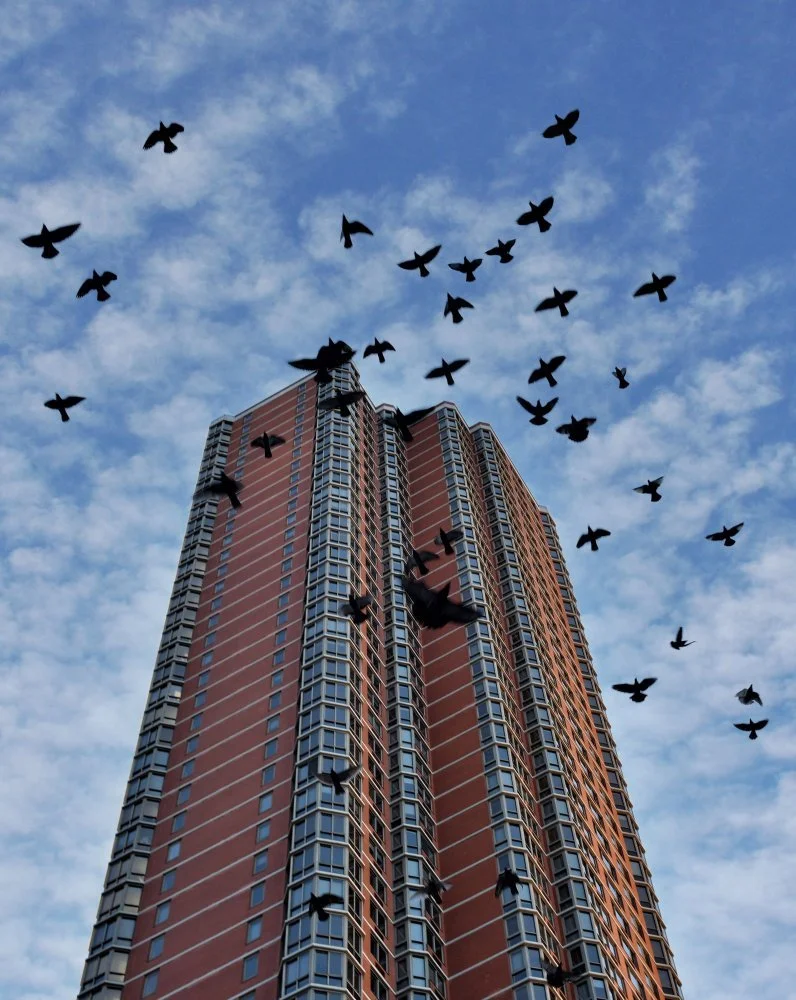
But hope, as Emily Dickinson famously wrote, “is the thing with feathers.” And according to the American Bird Conservancy, the alarming number of bird strikes “can be an easy and inexpensive problem to solve.”
Hooded warbler. Yellow-throated vireo. Summer tanager. . .
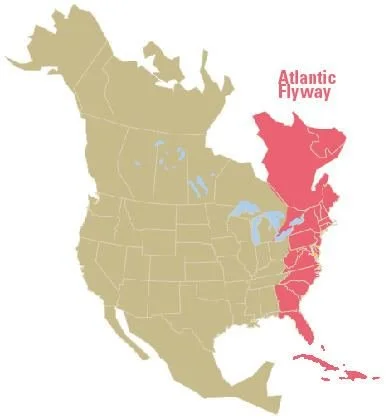
If birds stayed in one place, they wouldn’t be in danger, at least not from urban landscapes. But no, they have to migrate, north to south as winter approaches, then back each spring, most in this hemisphere following “The Atlantic Flyway” along the East Coast.
Cornell’s wonderful Lab of Ornithology tracks the migration. According to its Migration Dashboard, more than 30 million birds crossed New York State on a single night last May. The vast majority made it through, but —
Thunk!
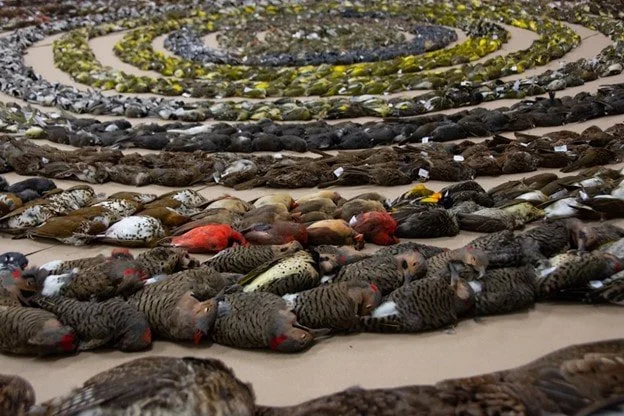
“A lot of the time they hold onto my finger,” Melissa Breyer noted. “Which is kind of heartbreaking,“
It took humanity decades to recognize the problem. Skyscrapers in floodlit cities began to rise a century ago, but the movement to save birds from buildings only began in 2007 when Toronto passed the first laws mandating bird-safe buildings.

Cook County, Illinois followed the next year. Then in 2010, Cook County legislator Mike Quigley, brought the first bird safe bill to Congress. Quigley has introduced the bill every year since. But these days, Congress’ birds of a feather rarely flock together.
In the absence of federal action, it took that great incubator of change, California, to spread bird safety city-by-city. Between 2011 and 2019, almost the entire Bay Area passed laws mandating bird safe buildings. Minneapolis and Madison, WI soon signed on, and by 2023, entire states — Illinois and Wisconsin, Maryland and Maine — had legislation requiring “bird safe” buildings.
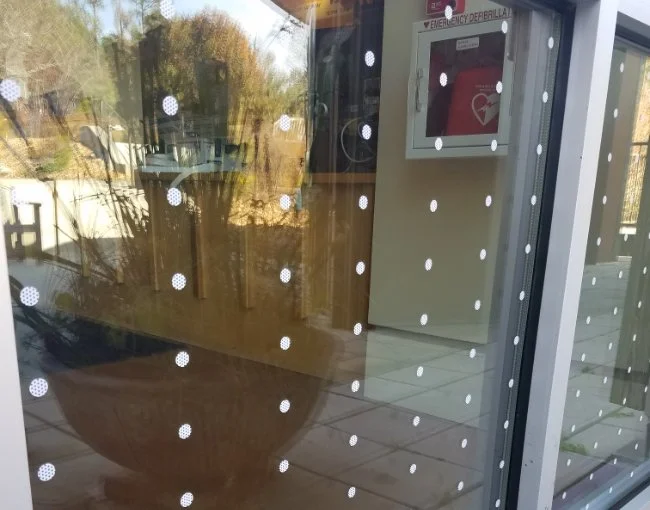
So what is a “bird safe” building? For a minimal cost, windows can be coated with an ultra-violet sheen, invisible to our eyes, but alerting birds to steer clear. Other buildings can add 2 x 2 inch patterns of dots on windows, removing the illusion of open sky that attracts birds. “Two inches is the magic bullet,” says Sara Hallager, curator of birds at the National Zoo. “Birds don’t think they can fly through that space.”
Beyond requirements for windows, many cities have adopted light restrictions mandating low — or no — lights in public buildings after 11 p.m. And you don’t have to be a city to bird-proof your buildings. Because any window can suffer a “bird strike,” bird lovers everywhere are dotting home windows, lowering lights, and keeping cats indoors or wearing collars with bells.
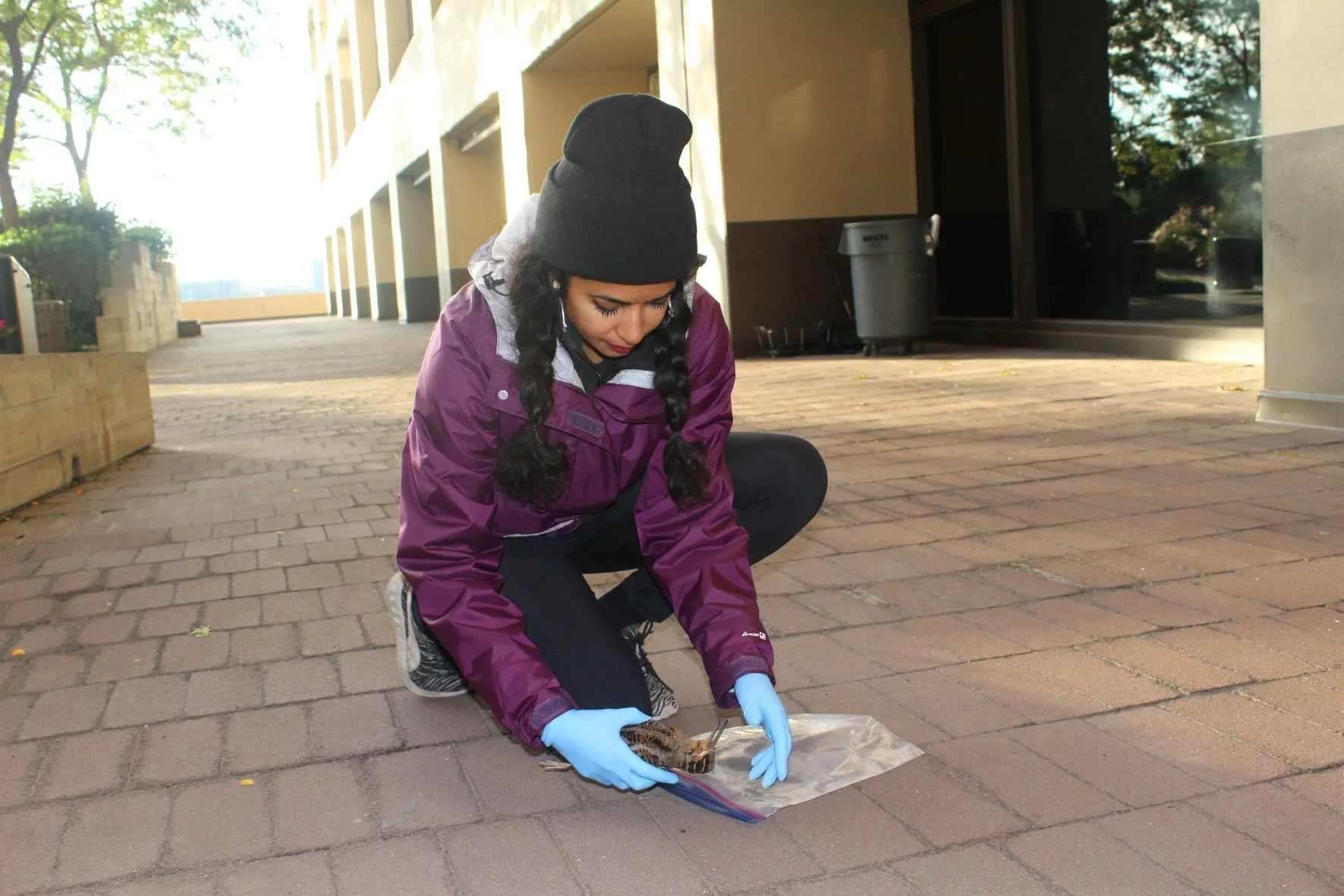
The Safe Bird movement depends on concerned citizens lobbying for more legislation. The Audubon Society’s “Lights Out” program has 40 nationwide chapters working to get the word out. Project Safe Flight in New York, CollidEscape in DC, Bird Friendly Chicago, Birdsafephilly, and other groups all along the Atlantic Flyway are doing the same.
Snowy egret. Brown pelican. Carolina wren. . .
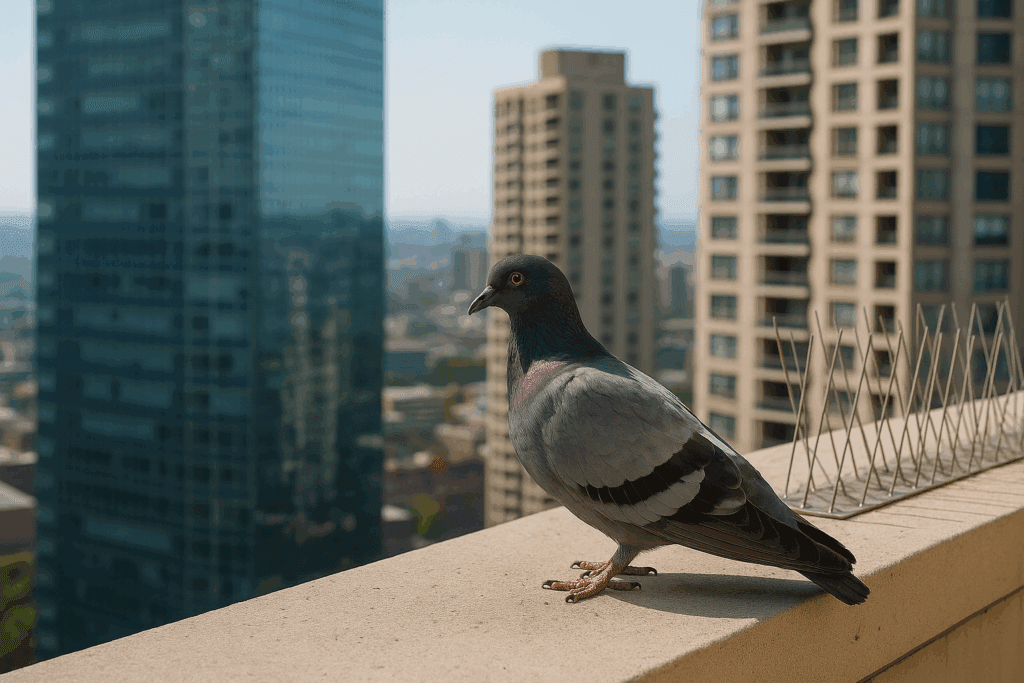
You hear a lot about surrender these days, about people who have given up, withdrawn, followed the avian habit of feathering their own nests and letting the world twist in the wind. Perhaps one answer to such despair comes from the things with feathers, and their hopeful bard.
If I can stop one heart from breaking,
I shall not live in vain;
If I can ease one life the aching,
Or cool one pain,
Or help one fainting robin
Unto his nest again,
I shall not live in vain.