
THE AMENDMENT THAT MADE AMERICA AMERICA
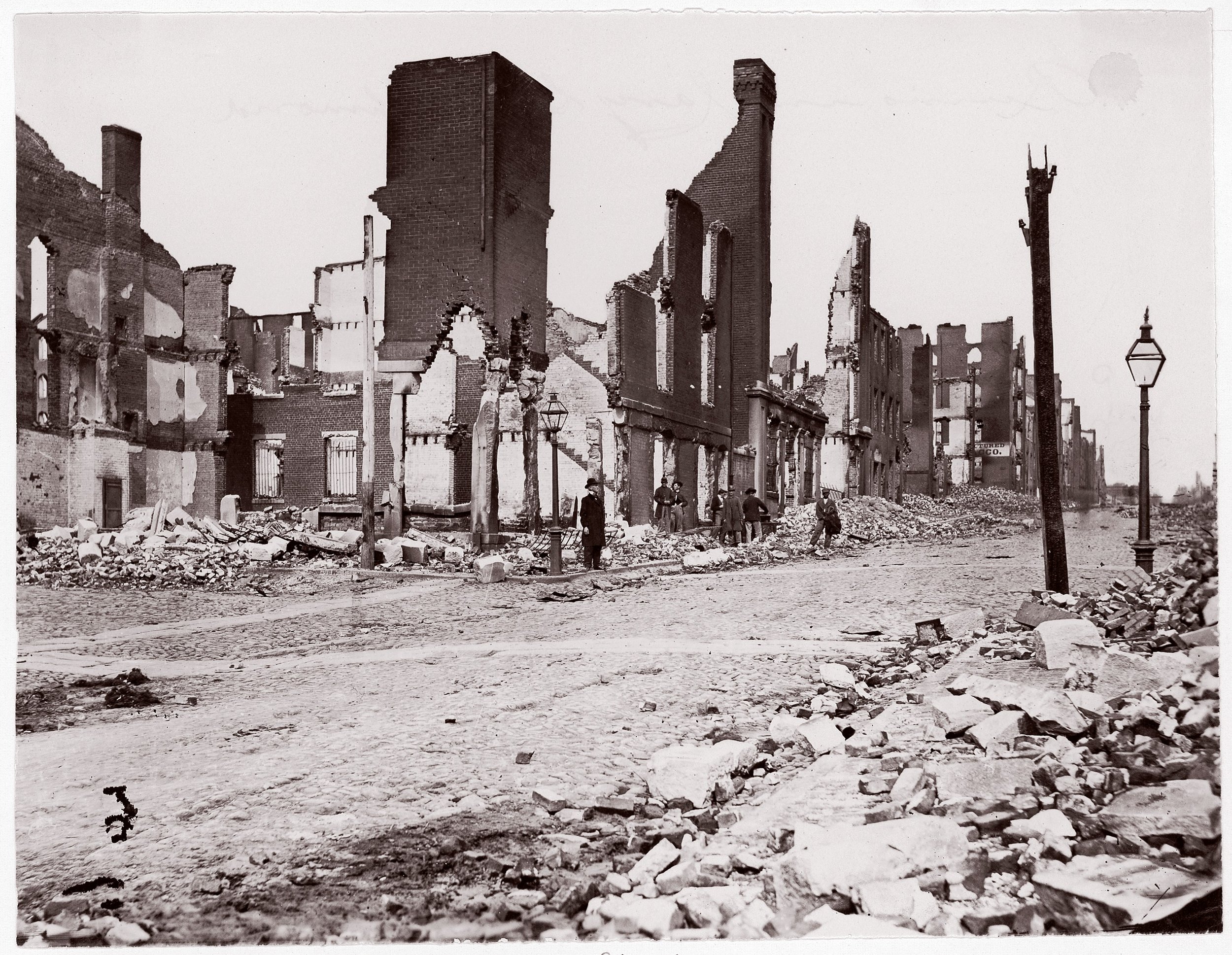
AMERICA — APRIL 1866 — One year after the peace at Appomattox, half the nation, from Richmond on south, lies in ruins. Slavery is history, but the Declaration of Independence, with its promise of “all men are created equal,” may be the next casualty.
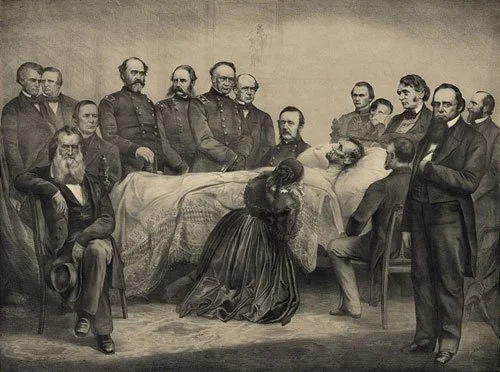
The president who called for “a new birth of freedom” is dead. His successor, having already pardoned hundreds of Confederates, speaks of “a white man’s government.” Across the South, with full legal protection, unrepentant rebel states are creating Black Codes that update their “peculiar institution.” In Tennessee, enraged vets are arming a new vigilante group they call the Ku Klux Klan. Is this America?
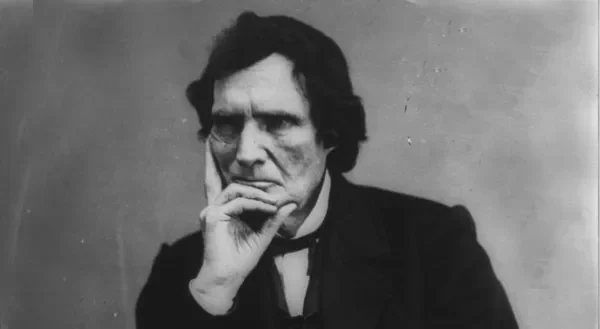
In Congress, Representative Thaddeus Stevens rises to speak. Before the war, the Pennsylvania Republican championed abolition. Now he turns to a new dream — to write “all men are created equal” into the Constitution.
“Our fathers had been compelled to postpone the principles of their great Declaration and wait for their full establishment until a more propitious time,” Stevens says. “That time ought to be present now.”
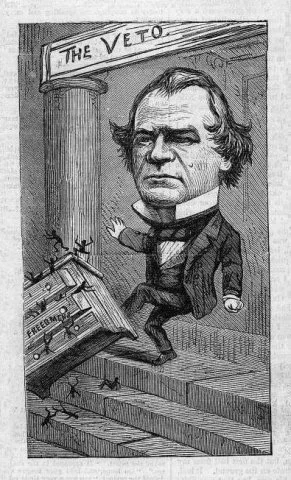
Congress soon passes its first Civil Rights Act. President Andrew Johnson vetoes it. Even after Congress overrides the veto, the Tennessee-born Johnson threatens every move on behalf of equality. Yet not even a president could veto a Constitutional amendment.
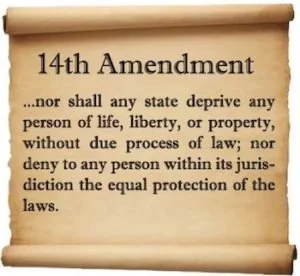
The 14th amendment has caused more litigation than any other. But combined with the 13th (abolishing slavery) and 15th (voting rights), historians call these Reconstruction amendments “America’s Second Founding.” And since its passage in 1868, the 14th amendment has made America America.
In the wake of war, Congress was dominated by “Radical Republicans” nobly fighting for the rights of ex-slaves. But lacking a Jefferson, a Lincoln, how could they hammer equality into words strong enough to withstand both time and tyrants? Seventy proposals were drafted, rejected. Enter a soft-spoken Congressman from Ohio.
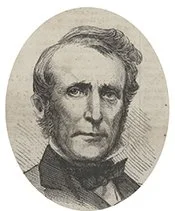
John Bingham is scarcely a household name, yet his words belong in the pantheon that begins “We hold these truths. . .”
An Ohio Republican, Bingham fought slavery, only to lose his seat when the war began. Union soldiers, it seemed, could not vote by mail. Returned to Congress after the war, Bingham helped prosecute John Wilkes Booth, then began drafting a law to protect the voting rights of freedmen.
Somewhere, perhaps in the middle of some dark night, Bingham realized that democracy was no longer North v. South. He needed “a simple, strong, plain declaration of equal protection. . . For any person, no matter whence he comes, or how poor, how weak, how simple — no matter how friendless.”
Bingham’s declaration jumpstarted the amendment that soon went before Congress.
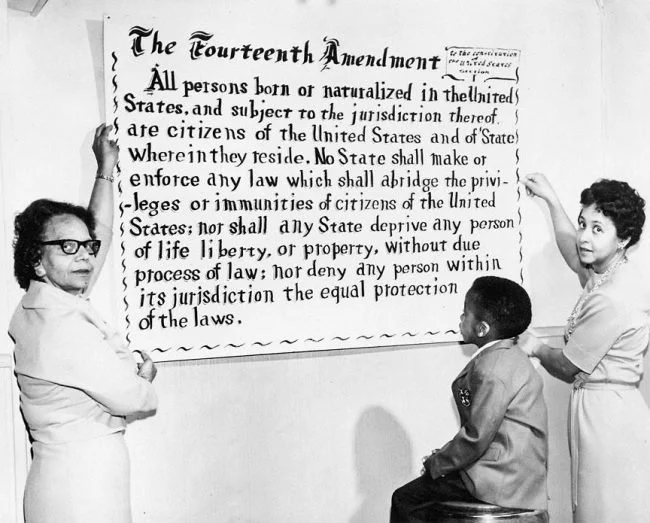
“No State shall make or enforce any law which shall abridge the privileges or immunities of citizens of the United States; nor shall any State deprive any person of life, liberty, or property without due process of law, nor deny to any person within its jurisdiction the equal protection of the laws."
To this, Congress added complex clauses. One broke down borders, giving citizens of one state the same rights in all states. Another banned Black Codes. A third ended the Constitution’s counting of blacks as 3/5 of a person. A fourth prohibited office seeking by those who "have engaged in insurrection or rebellion."
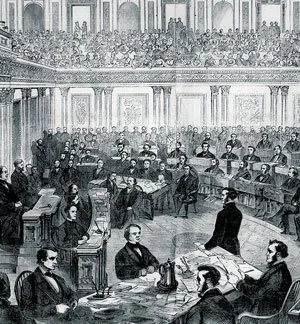
Debate was fierce. If the 14th passed, the U.S. “would be invaded by a flood of Australians or people from Borneo, man-eaters or cannibals.” But within weeks, the new amendment gained Congressional approval and was sent to the states.
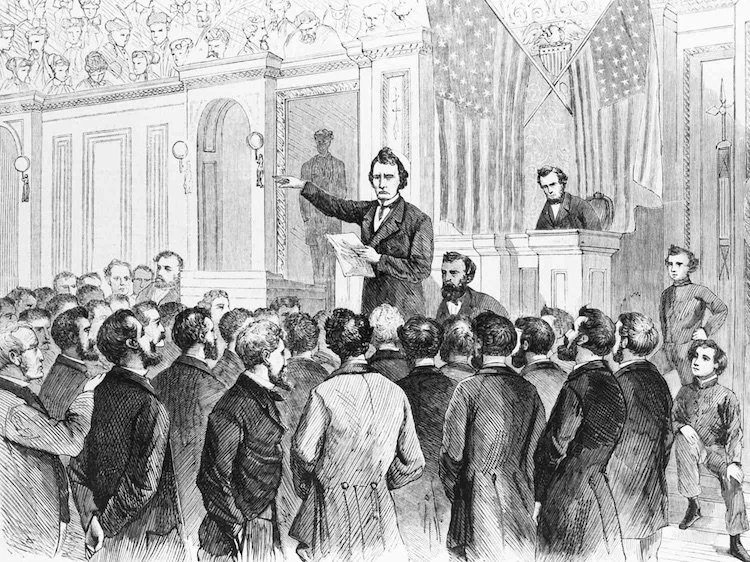
No matter how ironclad, any amendment needs 3/4 of the states to sign on. When Southern states flatly rejected the 14th, “America’s Second Founding” appeared dead on arrival. Then Radical Republicans passed, over presidential veto, strict conditions for re-admitting rebel states to the Union. Among these was each state’s passage of the 14th amendment.
On July 28, 1868, the 14th became law. A divided America quickly began testing its promises. And in the century and a half since, everyone from butchers to bakers to lawmakers has used the 14th to reclaim rights.
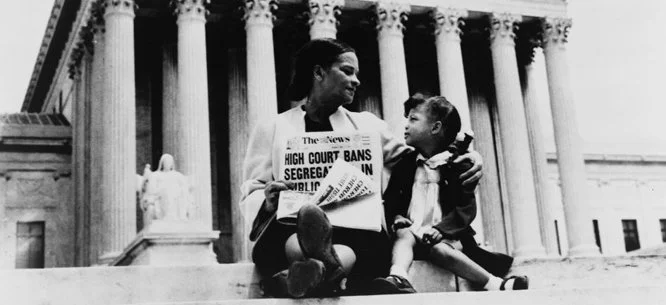
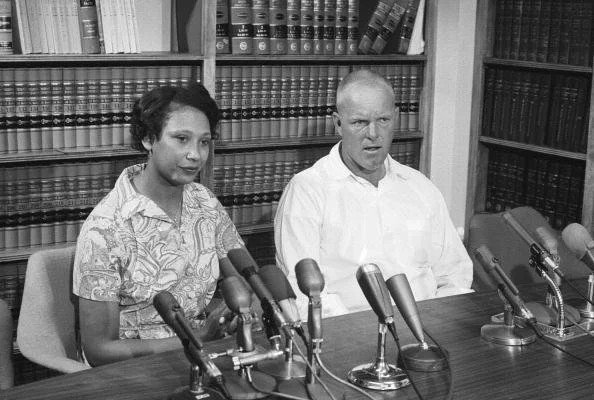
Brown v. Board of Education relied on the 14th. So did Loving v. Virginia which allowed interracial marriage. So did Obergefell v. Hodges, which allowed gay marriage. Critics fumed. There was nothing in the 14th about marriage! But no provision of the 14th has been so controversial as birthright citizenship.
Critics continue to charge that the amendment never meant what it said. They cite a Congressional debate claiming birthright citizenship “will not, of course, include persons born in the United States who are foreigners, aliens. . . “ But John Bingham’s ironclad words are right there in print: “All persons born or naturalized in the United States, and subject to the jurisdiction thereof, are citizens of the United States and of the State wherein they reside.”
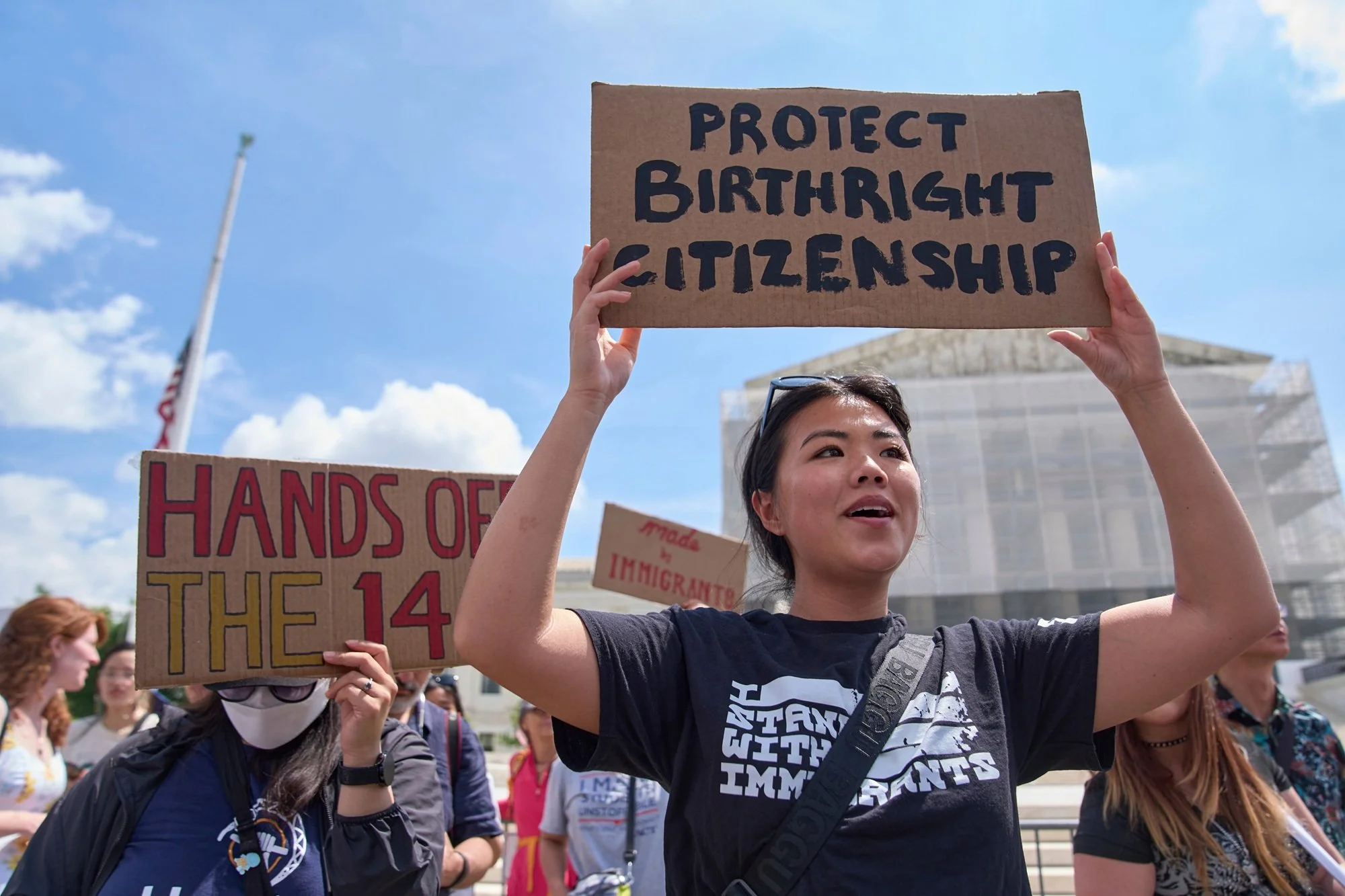
From an 1898 case right through to last week, the Supreme Court has upheld birthright citizenship. Critics continue to rant. What part of “all persons” do they not understand?
Some have wondered whether the 14th has been taken too far. “No patent medicine was ever put to wider and more varied use than the 14th amendment,” SCOTUS justice William O. Douglas said. But historian Eric Foner saw the impact.
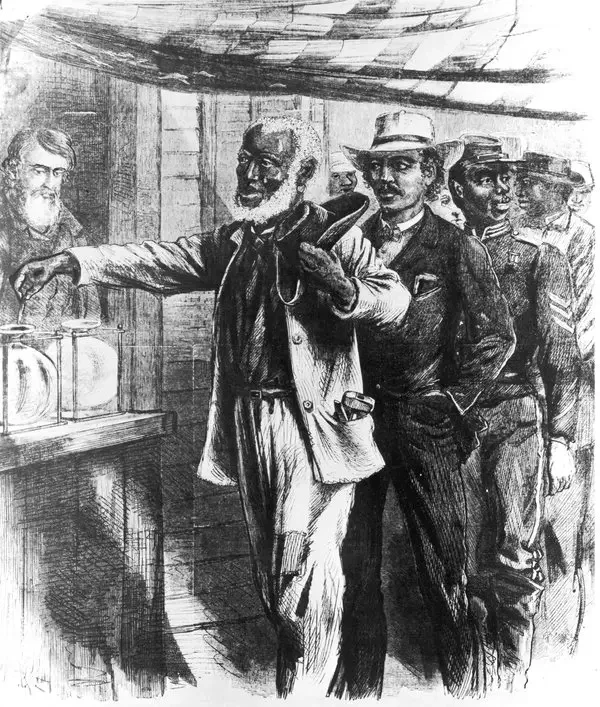
“Reconstruction is an effort to shatter boundaries and to create a new republic. That's why I call it the ‘Second Founding.’ It really transforms the Constitution, not just adding a few things here and there…to try to implement this principle of equal rights for all Americans.”