THE HAT THAT WON THE WEST
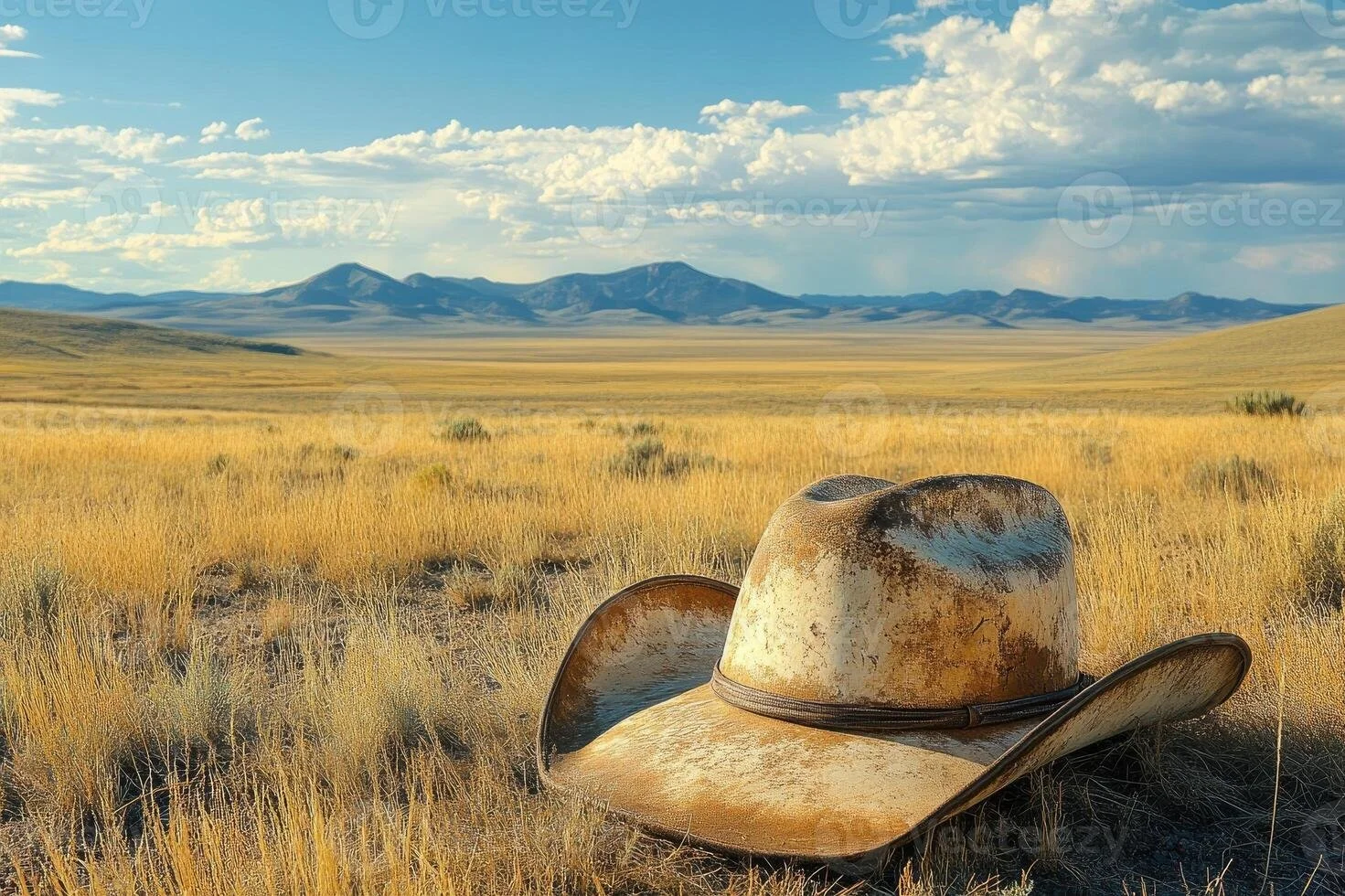
THE LONE PRAIRIE — 1850s — Blistered by the sun, driven by the wind, the cowboy needs a hat. So he digs a head-sized hole, gets some rawhide, wets and presses it in, leaving a brim around the edge. With the shape set, he sun dries the rawhide, then smokes it by an open fire. Good enough, but if only some lone cowpoke would make a reliable hat. Why, he’d make a fortune. Perhaps even a name.
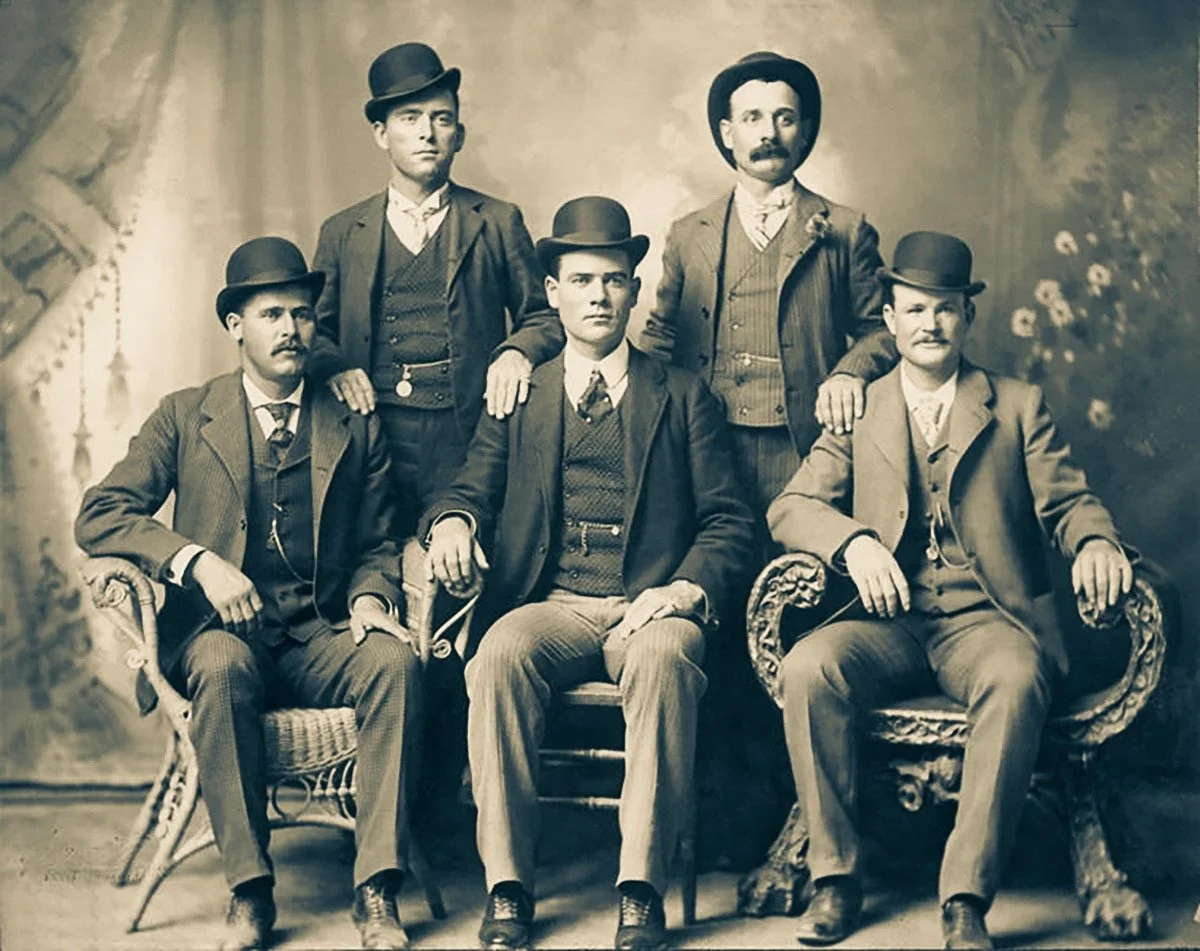
Legend has it that John Batterson Stetson was heading west when he sold his first hat. The son of a New Jersey hat “builder,” Stetson was trekking to Colorado when he noticed his colleagues’ wimpy headware. Coonskin caps. Wool derbies. Flop-brims. Even bowlers.
Having learned his father’s trade, Stetson fashioned felt out of rabbit, skunk, and beaver hides. Right there on the prairie, he tanned, trimmed, and turned out a hat so smart that a passing muleskinner bought it for a five-dollar gold piece. The rest was. . .
The world abounds in hats, but only one bears the name of its maker. Stetsons, worn not just by cowboys (and cowgirls) but by presidents, park rangers, country musicians, and celebrities from Bob Hope to Madonna, may be the last American symbol free from the swamp of politics.

Not everyone can justify buying a Stetson, which these days go for $150 and up, but the whole world knows them. A Stetson, Texas Monthly observed, “conveys a recognizable rugged individuality associated with America.” Yet it was another John who paid the ultimate tribute. The Stetson, John Wayne said, was “the hat that won the West.”

John B. was born in Orange, NJ, one of a dozen children. He never attended school but his mother taught him to read and write. He might have stayed back east but a wheezing cough took him to a doctor. Diagnosed with TB, he was given just a few years to live. Hoping clean air and hard work might save him, he headed west.
Stetson spent a year mining gold on Pike’s Peak. With his health restored, he returned to New Jersey in 1865, determined to make hats like the one he’d sold for five bucks. His father had squandered the family fortune, so John borrowed sixty dollars from his sister and opened a one-room factory in Philadelphia. He taught two employees to make “The Boss of the Plains,” with his unique design.
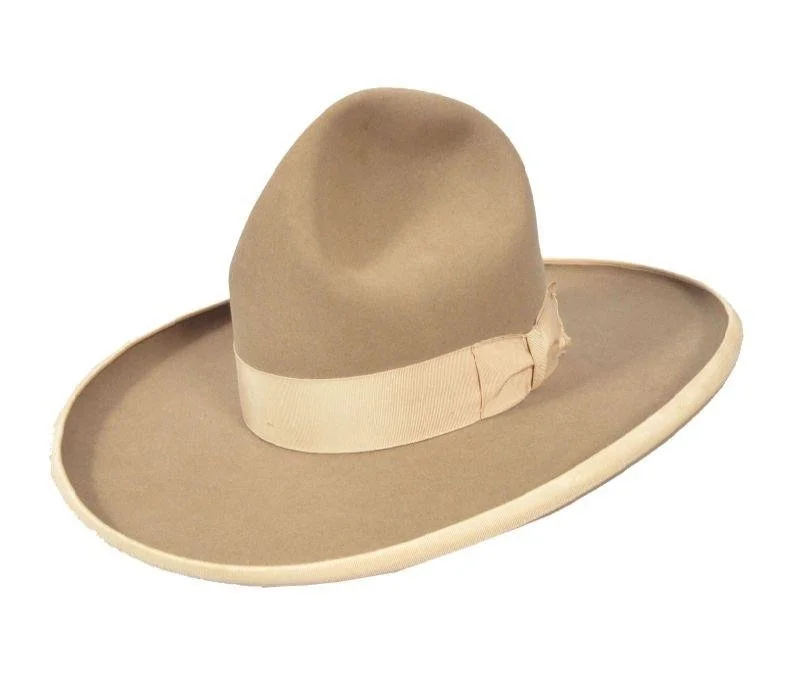
A wide brim, like the Mexican sombreros he’d seen out west. A high crown for insulation. A hatband that doubled as a short rope. And “none but of the highest quality.”
Hatmakers survived on local sales, but Stetson kept his eyes on the West. He shipped single hats to dealers around the country, then sent traveling salesmen to take orders. And with the West opening to cattle drives and cowboy chic, demand flowed like the wide Missouri.
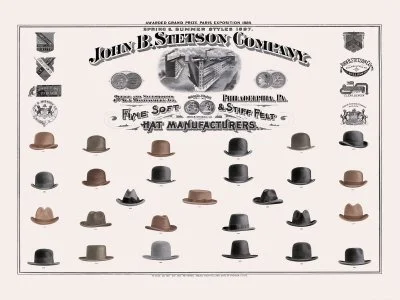
Stetson’s ads captured the cowboy mystique but also the utility of his hats. Cowboys used their Stetsons in ways he never imagined. "It kept the sun out of your eyes and off your neck,” one wrote. “It was like an umbrella. It gave you a bucket to water your horse and a cup to water yourself. It made a hell of a fan, which you need sometimes for a fire but more often to shunt cows this direction or that."
But once cowboys in Stetsons, from Buffalo Bill to Annie Oakley, were depicted in dime novels, the legend grew on its own. “Within a decade,” one historian wrote, “the name 'John B. Stetson' became synonymous with the word 'hat' in every corner and culture west of the Mississippi."
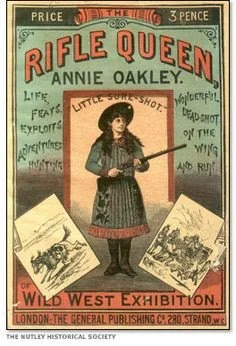
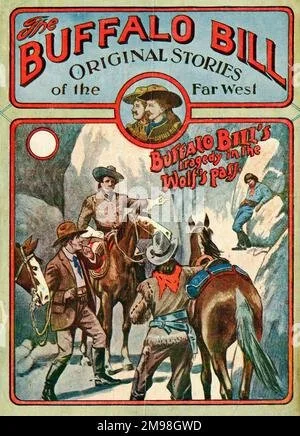
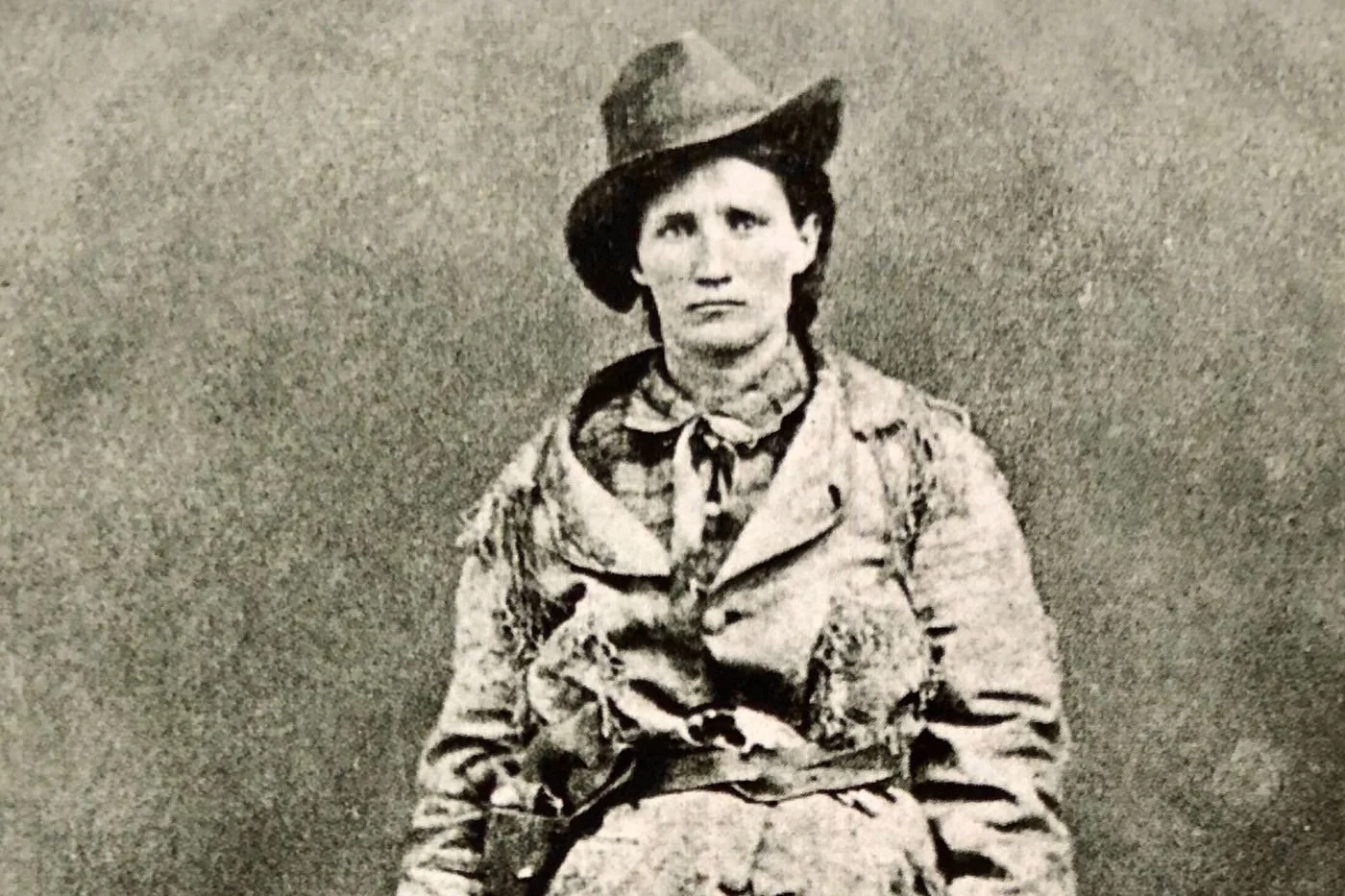
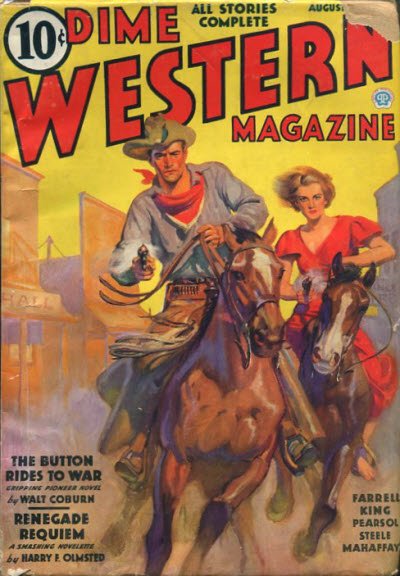
Texas Rangers wore Stetsons. So did Teddy Roosevelt’s Rough Riders. By 1900, the Philadelphia factory had 5,000 employees turning out two million hats a year — bowlers and derbies but mostly finely crafted cowboy hats with the telltale “Montana peak” that neatly fit a hand for easy doffing.
Like other tycoons who became household names — Rockefeller, Morgan, Carnegie — Stetson might have taken the money and run. But here’s the scene where the cowboy shows his soft side.
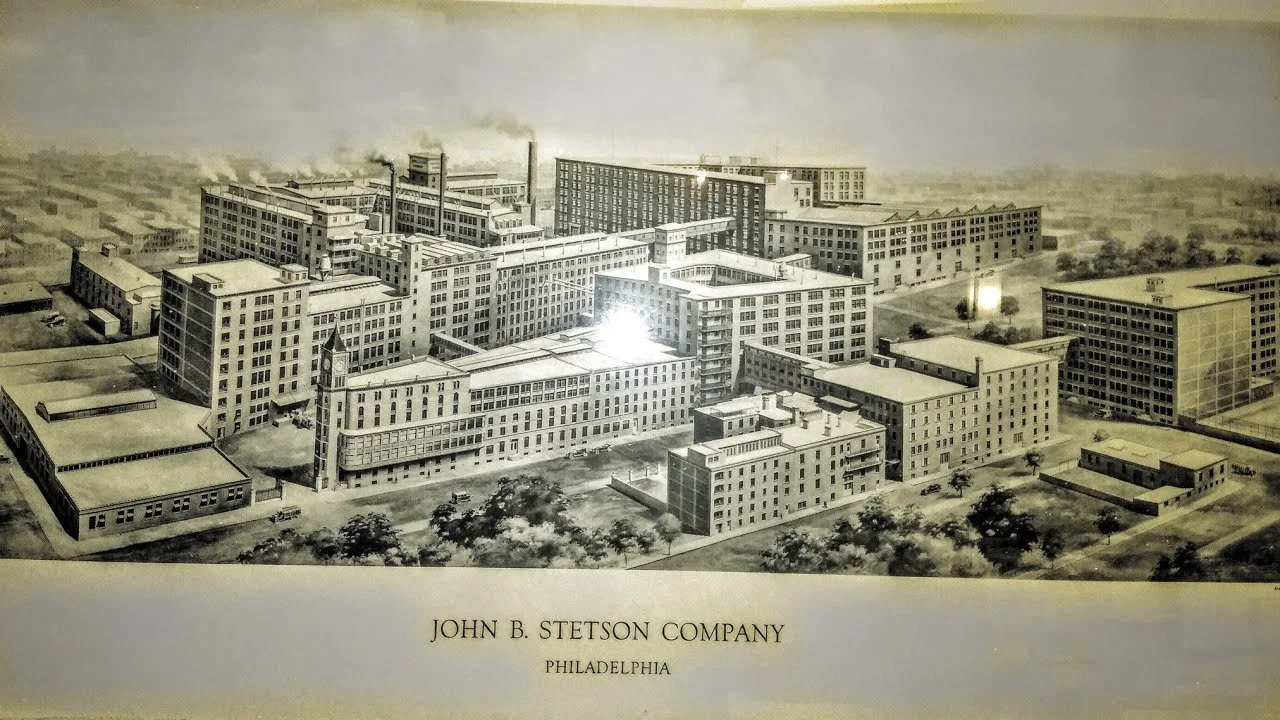
While America’s mines and mills ground down their workers and battled strikers, Stetson was a model employer. He paid top wages, kept his factory safe and clean, and offered benefits today’s workers could envy — stock options, company clubs and parties, low interest loans, and free health care in a company hospital Stetson built on the premises.
Stetson also became a model philanthropist, bankrolling new schools, helping endow Temple University and an academy in Florida that became Stetson University. The Sunday Breakfast Rescue Mission he started in 1878 still serves Philadelphia’s homeless.
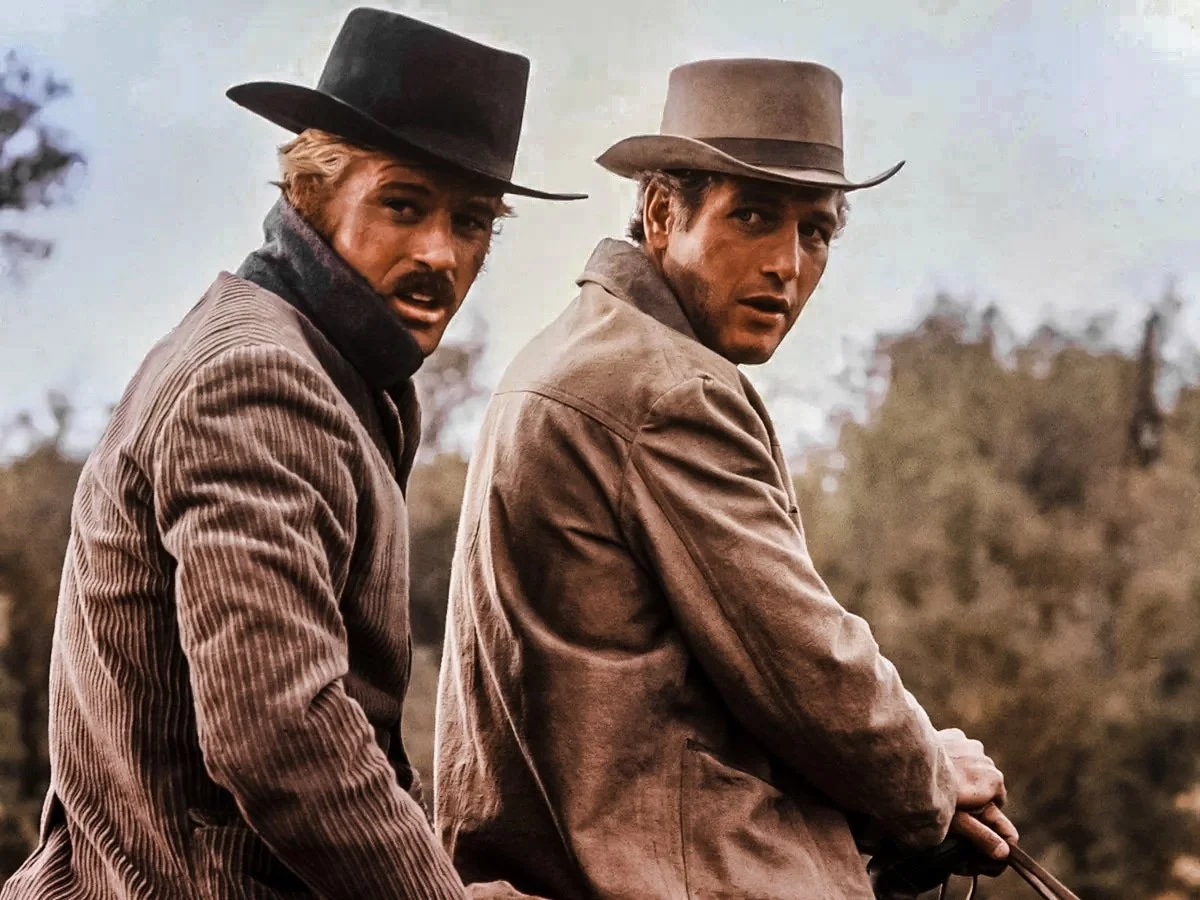
Stetson died in 1906, leaving the factory to his son. The name stayed the same and the image spread through movies and later the whole herd of TV westerns.
Hat sales slackened in the 1960s. Many blame JFK, hatless at his inauguration and impossible to imagine in a Stetson. But the style returned in the Eighties, when everyone from President Reagan to America’s urban cowboys saddled up. Country singers soon joined the stampede and today, the John B. Stetson Company, in Garner, Texas, keeps the brand well-polished.

Some might think a Stetson just a hat with hype added. Customers disagree. Amazon reviews pile on the praise. “Love this hat.” “Oh man what a hat.” “Absolutely fantastic hat.” “Brilliant hat. . .”
Donning a Stetson can be an act of conformity or defiance. If you look the part — tall, rugged, big-shouldered — a Stetson is your crown. But if you’re clearly no leading man, or woman, a Stetson marks you as an iconoclast, one who doesn’t fit any mold and doesn’t want to.
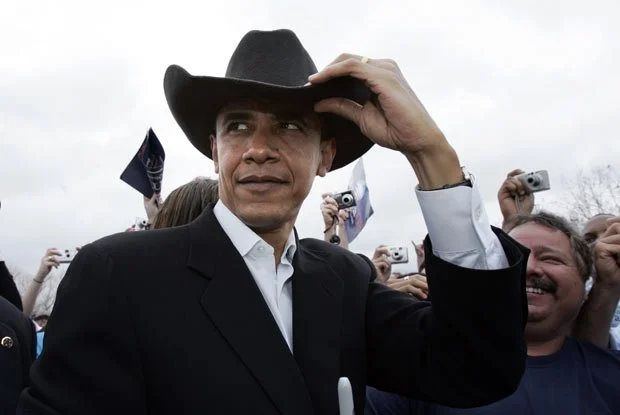
From the lone prairie to the world online, John B. Stetson still captures the cowboy that lurks in so many. Rugged. Ready to ride. And just cooler. “You put on the right hat,” Lyle Lovett said, “and somehow you feel taller.”