THE JUDGMENT OF PARIS
We could in the United States make as great a variety of wines as are made in Europe, not exactly of the same kind, but doubtless as good. — Thomas Jefferson, 1808
PARIS — MAY 24, 1976 — Something in wine spawns hyperbole. Galileo thought wine contained pure light. Robert Louis Stevenson called wine “bottled poetry.” But no one ever poured more vintage smugness into a Bordeaux than (ahem!) those French.
France taught the world that wine is haute culture. A fine wine should have “legs.” It must have “body.” And a price tag that, if you have to ask. . . Face it, if not for the French we’d all be swigging Manischevitz and pretending to like it.
So a half century ago, when a British wine merchant in Paris announced a blind test of wines — France vs. California — the world’s oenophiles barely noticed. A publicity stunt! A bad joke!
Yet it was 1976, that Bi-centennial year when all things American seemed a bit bleak. The Great American Hangover, aka “The 70s,” gripped a nation reeling from Vietnam and Watergate. France produced nearly a third of the world’s wine, more than double the output of California. America needed a boost so why not take on those French?
The idea came from American sommellier Patricia Gallagher. On vacation from her job at a Paris wine shop, Gallagher toured the Napa Valley in 1975. Napa then hosted the vast majority of America’s 300 wineries.
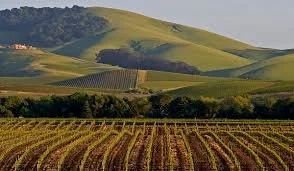
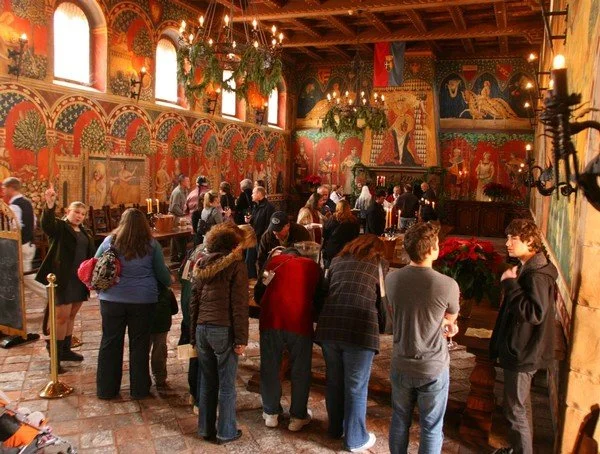
Back in those sober days, you could spend a pleasant Saturday going from winery to winery. Parking was no problem, and the sampling was FREE! Along with the price, Patricia Gallagher was impressed with the body, the legs, the pure light of California wines.
Back in Paris, she suggested her boss try a blind test. Stephen Spurrier agreed. “I was an Englishman in Paris. I was already a square peg in a round hole. And these were very, very good wines. So why don’t we do something about it?"
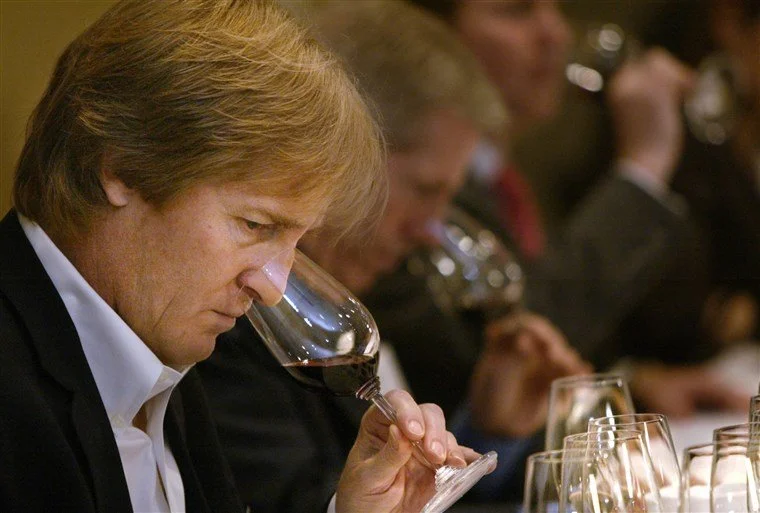
Only six months before, a blind test in Manhattan had pitted French wines against that swill from California. California won. The French pouted. C’est impossible! The judges, the judges! Tout Americain! But this new test would be in Paris, with judges so crusty, so French they seemed to be human croissants.
Spurrier invited the press to the posh Intercontinental Hotel just off the Champs Elysses. On May 24, 1976, the table was set.
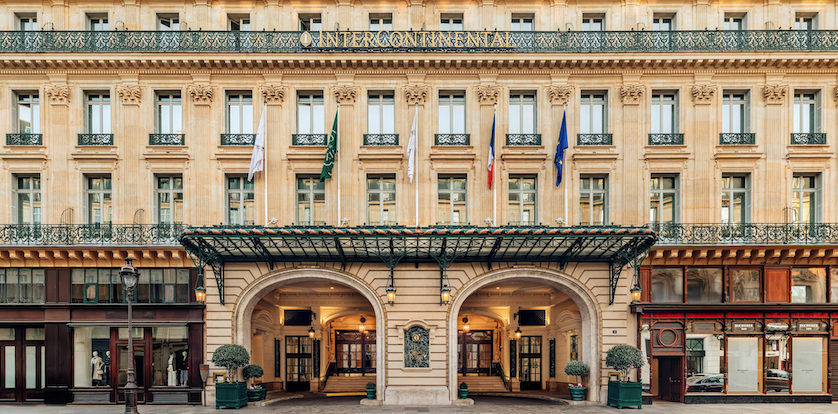
Spring in Paris. A beautiful day in the City of Light. As TIME’s Paris correspondent walked to the tasting, he did not expect much press. “It seemed like a non-event,” George Taber wrote. “Clearly France would win—but as a native Californian, I had developed an interest in wine.”
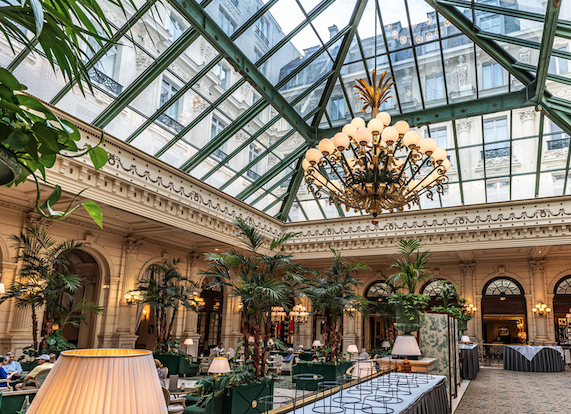
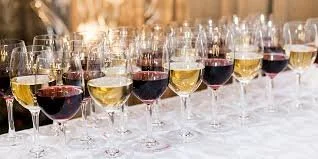
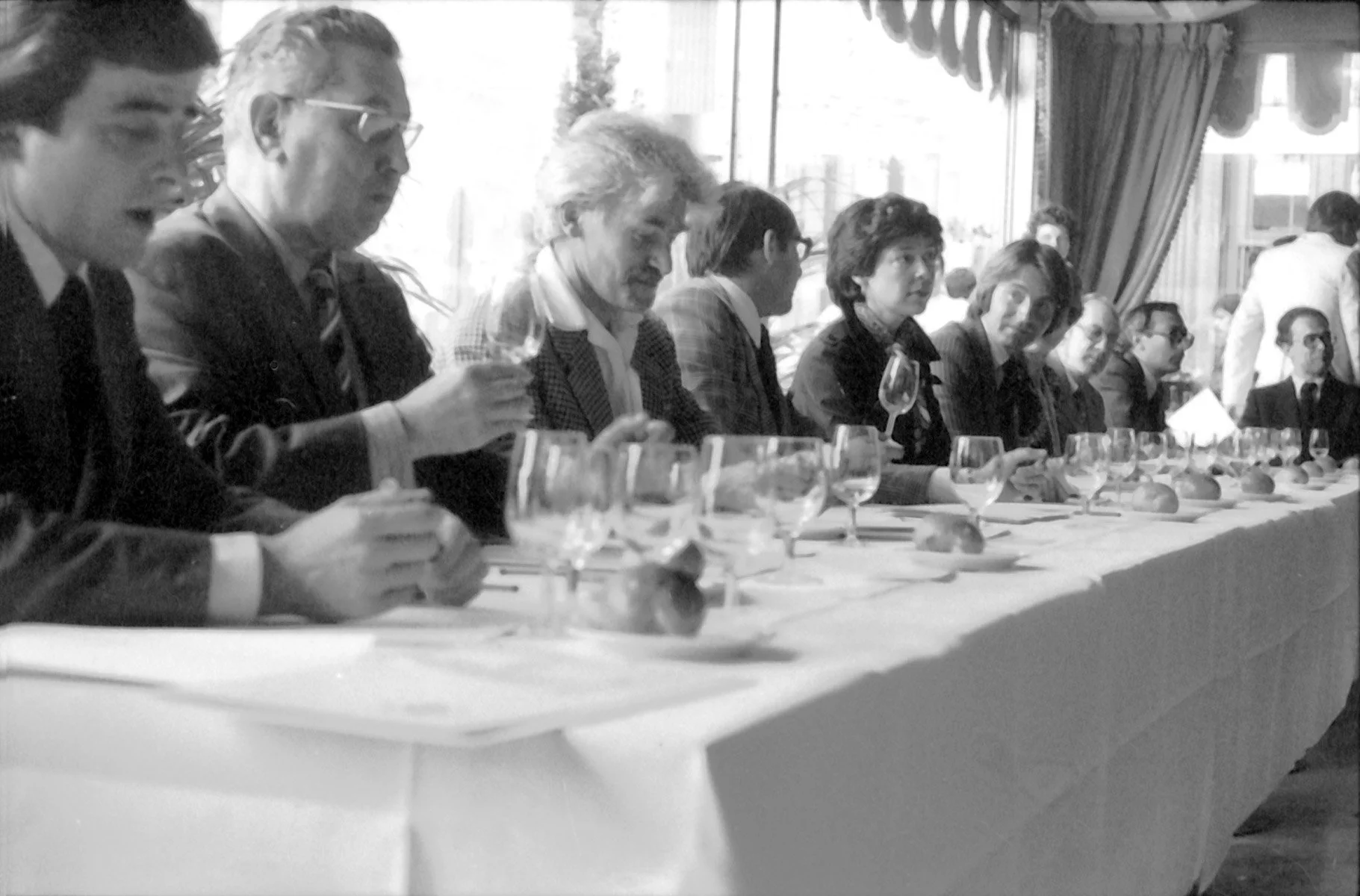
When Taber arrived in the elegant dining room, waiters in tuxedoes were setting up tables. But there was no press, no hubub. Taber was the only journalist to cover the event. The nine judges sat at a long table, each with two wine glasses, a scorecard, and crusts of hard bread to clear the palate. Allons!
Whites first — the Chardonnays.
“As they swirled, sniffed, sipped and spat,” Taber wrote, “some judges were instantly able to separate an imported upstart from an aristocrat. More often, the panel was confused. ‘Ah, back to France!’ exclaimed one judge after sipping a 1972 Chardonnay from the Napa Valley.” Another, sipping a French white, sneered, “That is definitely California. It has no nose.” Other snooty comments:
“This is nervous and agreeable.”
“A good nose but not too much in the mouth.”
“This soars out of the ordinary.”
Each judge rated each white from 1-20. Spurrier collected the scores and averaged them. The winner?
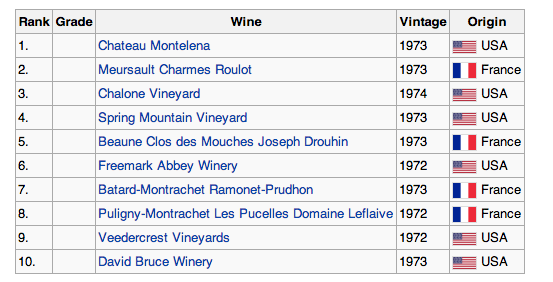
Chateau Montelena — a Chardonnay from. . . California. Second place went to a French white but third, fourth, and sixth came from that rogue region called Napa.
The judges, including Parisian sommeliers and the editor of France’s top wine magazine, tried to contain their shock. C’est absurde. . . O mon dieu!. . . Allors, les rouges? Again the sipping, the swirling, the spitting. French Bourdeaux. California Cabernets. And finally, the scores.
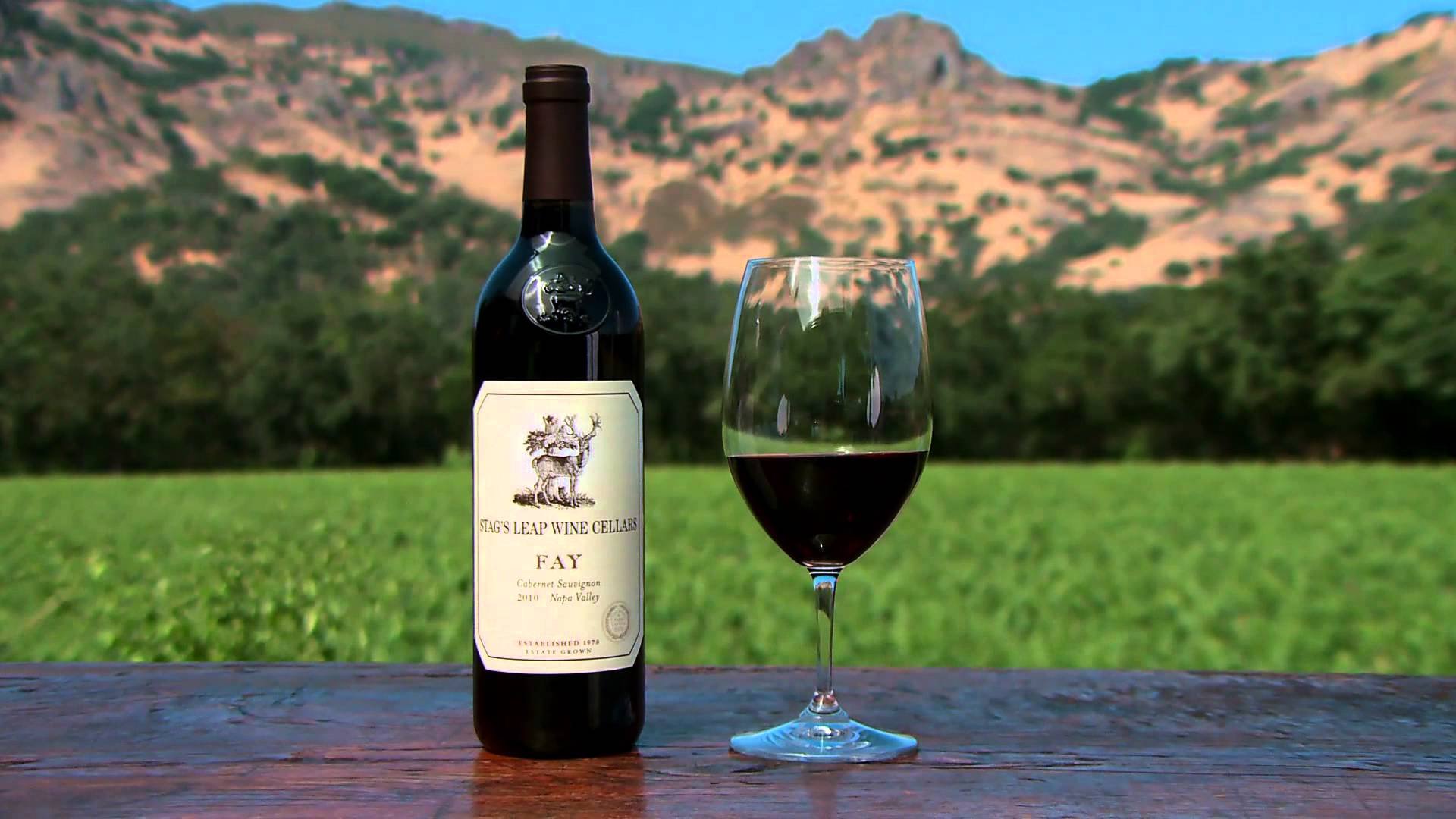
First place — Stag’s Leap — Napa Valley. The French took the next four places but the damage was done. One judge demanded the return of her scorecard, lest it be known she had ranked California reds first and second. Another called the test “a kick in the pants for French wine.”
For three months, no French paper mentioned the test. Finally, Le Figaro asked, "Did the war of the cru take place?" Such “laughable” results, the paper said, "cannot be taken seriously.”
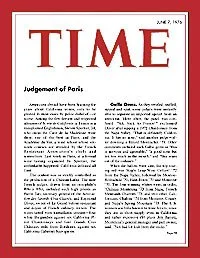
Meanwhile in the US, the results set champagne corks flying. TIME coined a name that stuck — “The Judgment of Paris.” Other papers picked up the story. Few recognized the winning entries, each in small production and costing six bucks a bottle ($25 today). But the Judgment of Paris changed the wine industry.
“It opened up the doors not only to Napa but other regions in the world,” said Ted Baseler, current co-owner of Stag’s Leap. “That helped other people say ‘Gee, we can too,’ whether it was in New Zealand, Australia, Oregon, Washington, Chile.”
In the half century since, some have doubted the Judgment of Paris. Citing scoring or subjectivity, they ask whether the showdown was valid. Yet anniversary tests in 1986 and 2006 have met the acid test. Each time, California wines beat the French. Sacre bleu!

Today, bottles of Stag’s Leap and Chateau Montelena sit in the Smithsonian’s Museum of American History. Given that each wine now costs $50-300 a bottle, the museum is probably the only place you’ll see these labels.
America now has nearly 7,000 wineries. And the judgment of this reporter is that, although many are as good as the French, I’d rather sip and swirl in Paris. These days, the Napa Valley is a zoo on weekends.