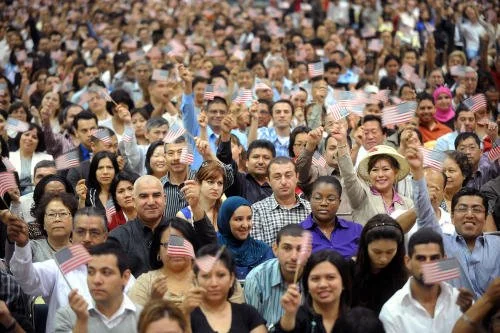
SPEAKING AMERICAN -- THE WORD WAGONS
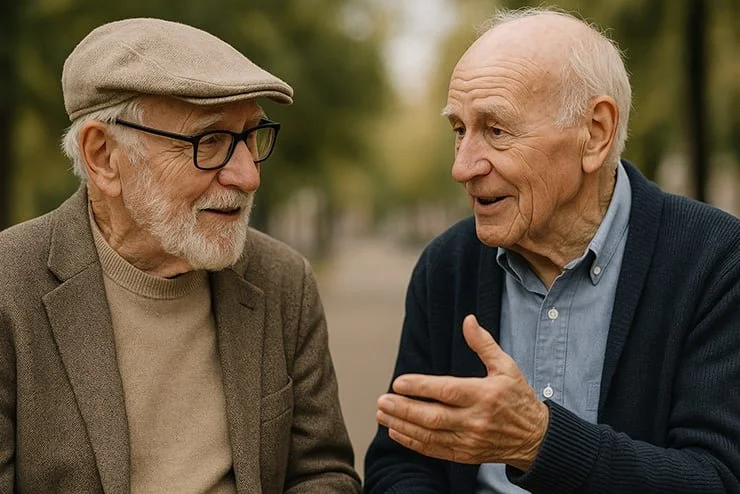
ST. FRANCISVILLE, LOUISIANA, NOVEMBER 1967 — In this quaint corner of the Old South, with mansions, plantations, even a steamboat dock, few locals notice the stranger and his van. But though far from home and down to “84 cents and two cans of beans,” the young man is on a mission — to capture the language called American.
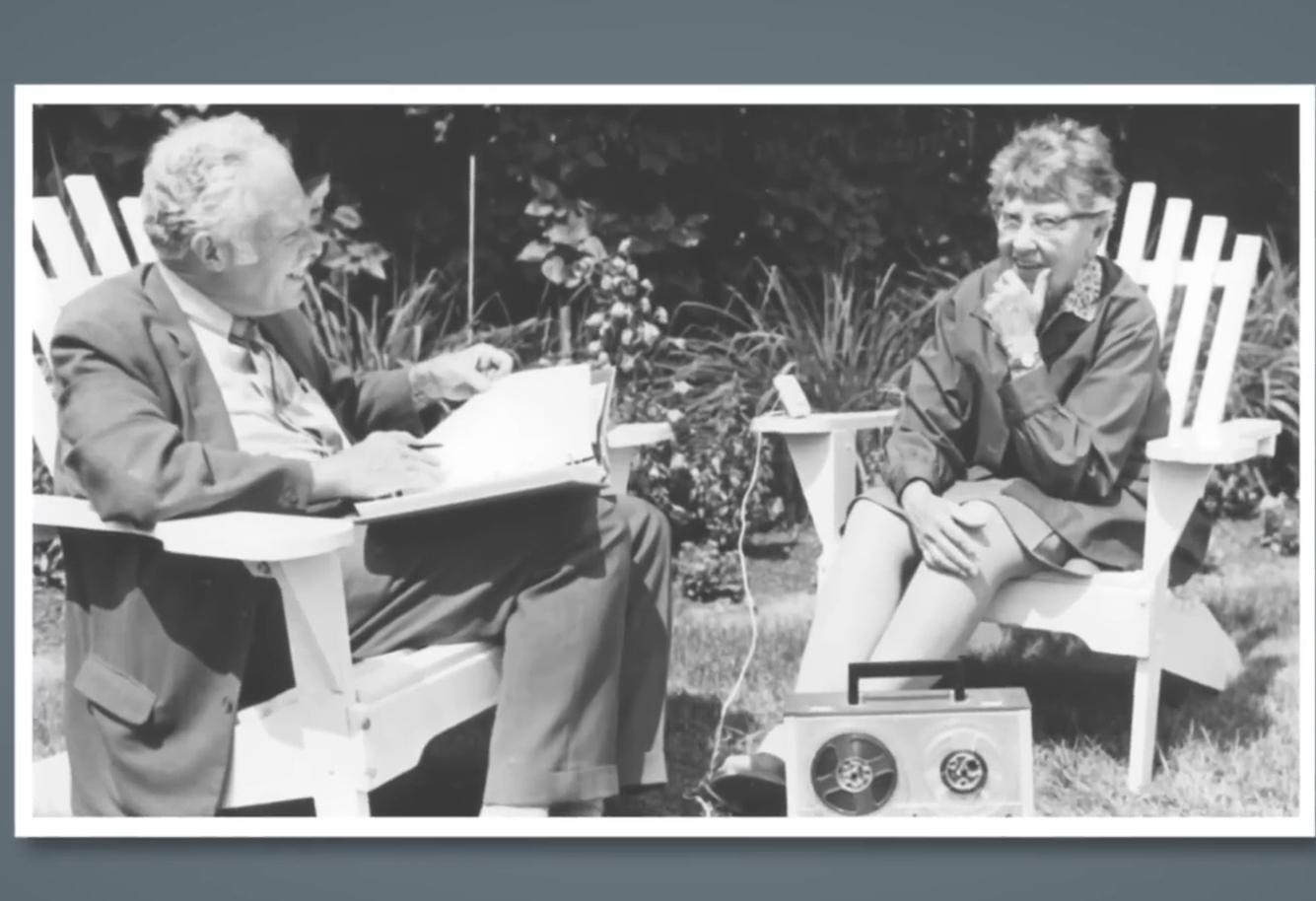
“Tea and coffee are gone,” Albert Rubrecht writes in his journal. “So is the beer, but I do have one drink of Dubonnet left. . . “ Hunkering down, he cozies up in the van near the Coleman stove and reel-to-reel tape recorder. Tomorrow he will set out to find a few Cajuns willing to answer curious questions.
What do you call a small stream of water not big enough to be a river?
Here in Louisiana, the answers come in a slow drawl. Small stream of water? A bay-oh, of course. But the Cajun bayou is an arroyo in New Mexico, a rivulet in the Upper Midwest, a slough in Florida and about a dozen more terms coast-to-coast.
What nicknames do people have around here for a small eating place where the food is not especially good?
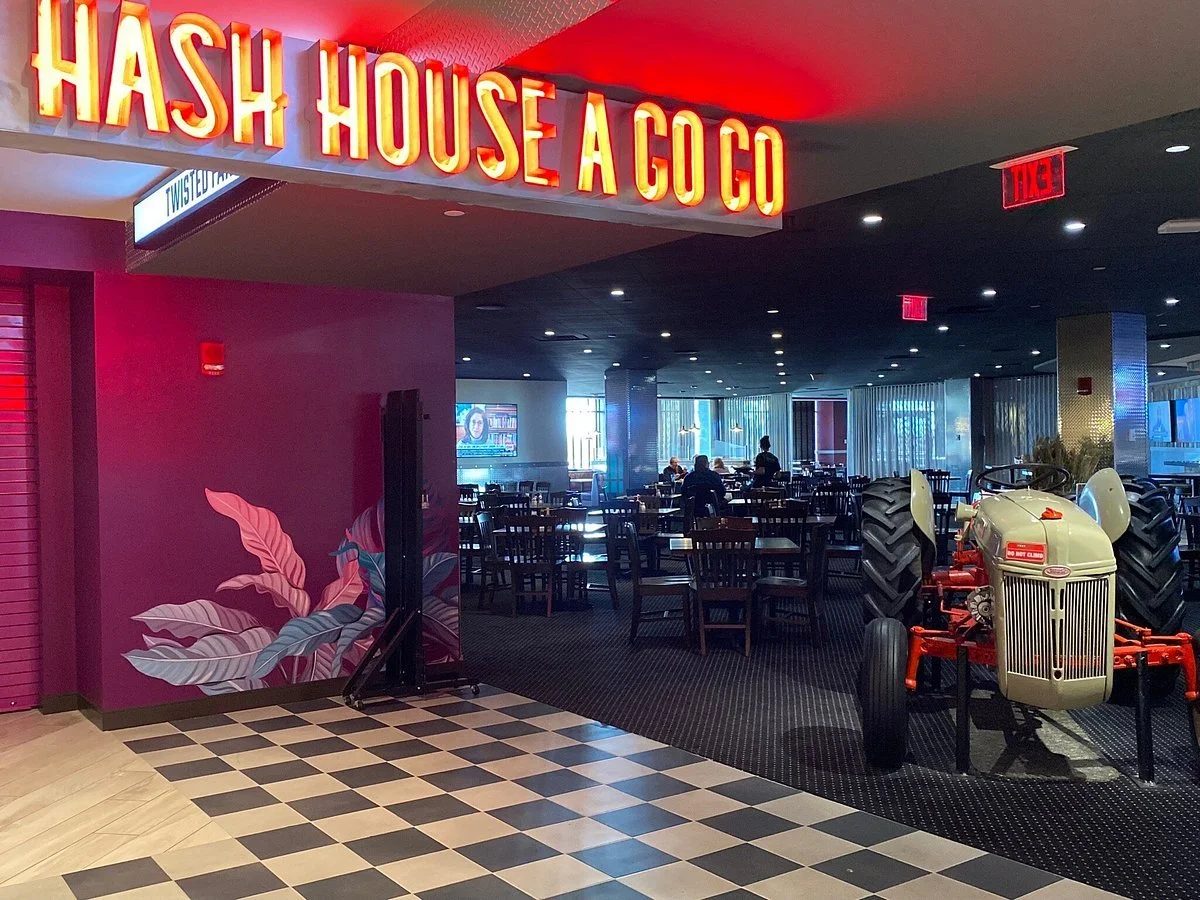
Most of America talks of dives and greasy spoons, but Cajuns prefer joint or hash house. Skip the cole slaw.
Great, now what are some words for arguing? “They stood there for an hour _______”
“Well, mostly fussin’ or wranglin’. But I’ve heard chewin’ the rag. And up in Arkansas they say chewin’ the fat. Go figure.”
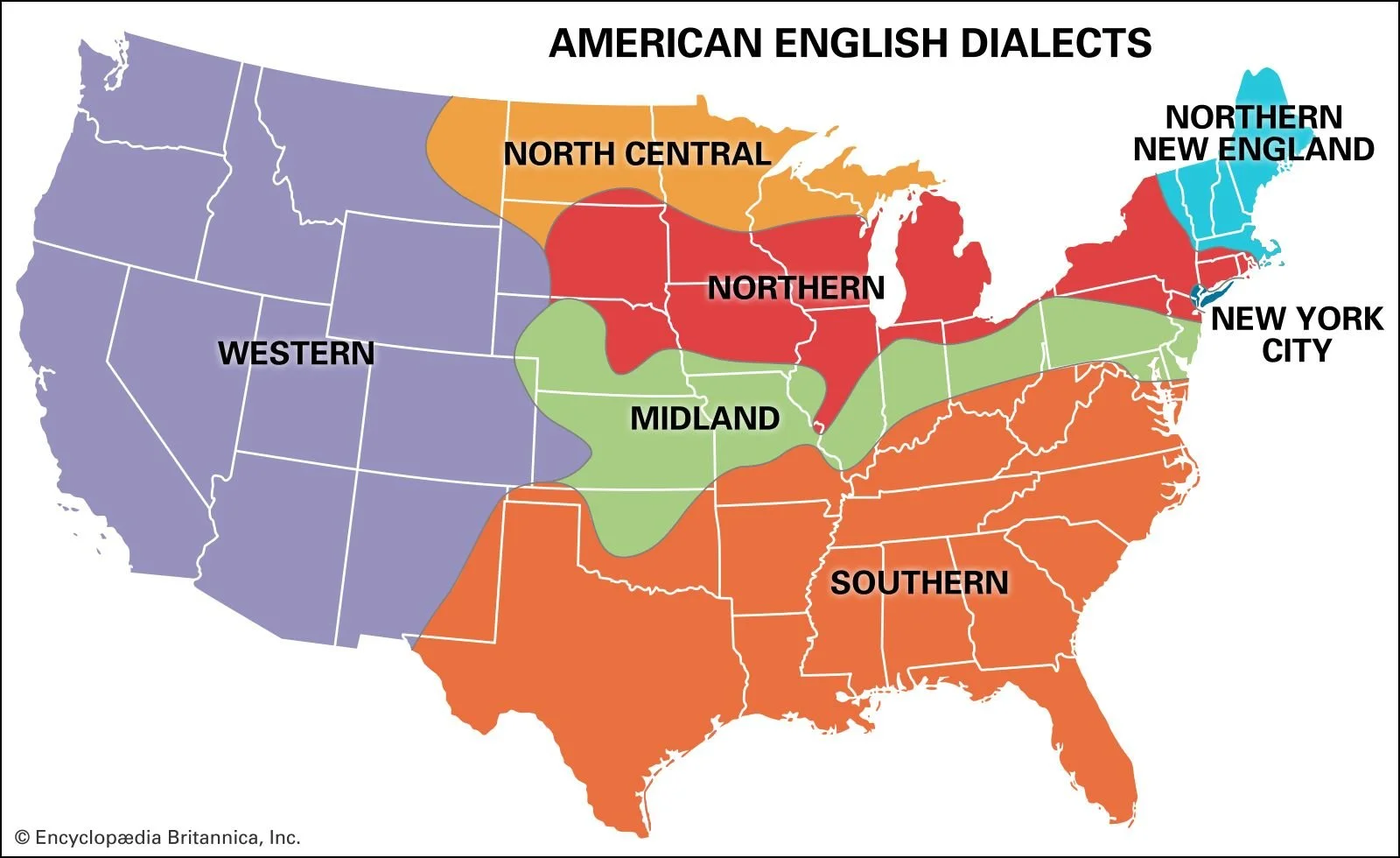
Language has been called humanity’s greatest invention. But unlike the radio, the car, the smart phone, language is a work in progress, made from the ground up. Words come and go, an endless stream (rivulet, arroyo) of invention. Dictionaries try to freeze language but it slips away again, leaving linguists to wonder. How can you mine the vast richness of speech in a nation as enormous as America.
“The problem,” linguist Jesse Sheidlower wrote, “is to figure out how people say things, and what people call things in places that may not be that easy to get to.”
During the 19th century, compilers of the English Dialect Dictionary sent questions by mail. Later, editors of The Atlas of North American English phoned strangers around the country. But to make the Dictionary of American Regional English, linguists hit the road.
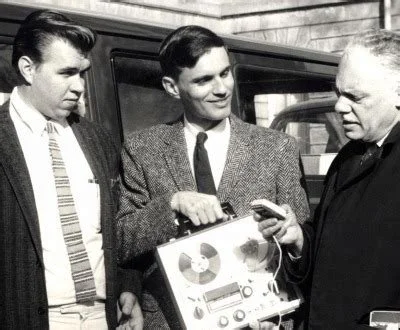
In 1965, a team of clean cut grad students from the University of Wisconsin fanned out across America, driving “Wisconsin Word Wagons.” Over the next five years, 80 dark Dodge vans jerry-rigged as makeshift campers visited more than a thousand small towns (burgs, one horse towns, wide spots in the road) from the Okefenokee to the Pacific Northwest.
Pulling into a town, each language lover checked in with police (cops, coppers, the law) to explain the mission. Librarians and teachers soon found old-timers (yokels, rubes) willing to answer a few questions. Or perhaps 1,600. What do folks here call. . .
— The piece of upholstered furniture that you can stretch out on to rest?
Couch, sofa, davenport, divan, chesterfield, Morris chair. . .
— Somebody who has plenty of money?
Loaded, well-heeled, flush, moneybags. . .
— A mean or disagreeable person?
Grouch, crank, stinker, crab. . .
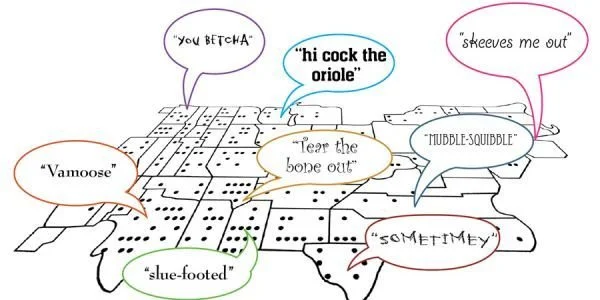
Local folks were neither grouches nor crabs. Some answered a few dozen questions, some all 1,600. Still, there were snafus (tough sledding, uphill fight, touch and go). Tape recorders broke down. Money ran low. And the weather. . . Scorchers, sizzlers, and days just hotter than hell. Tempests, thundersqualls, and gulley washers raining cats and dogs, pitchforks and hammer handles.
By 1970, the Word Wagons had hornswoggled some 3,000 people into patiently answering questions in dozens of categories. The wealth of words created a national treasure of regional speech, everyday people spinning life into words wise, witty, and just plain wonderful.
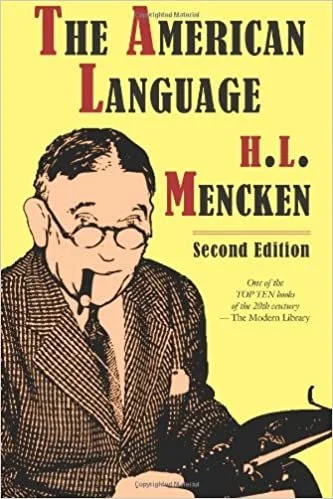
H.L. Mencken would not have been surprised.
“The American,” Mencken wrote in his landmark The American Language, “likes to make his language up as he goes along.”
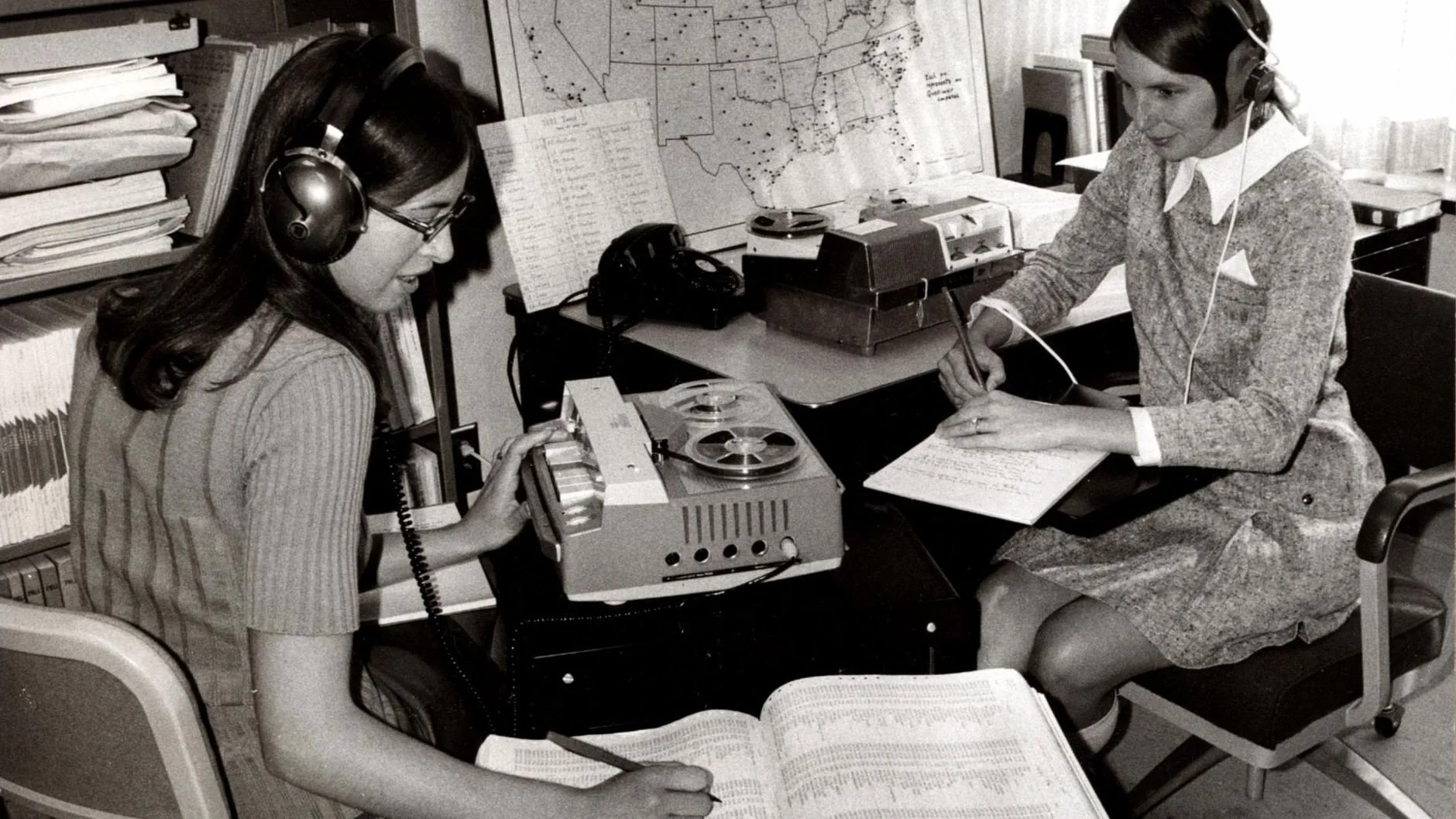
But Mencken would have been stunned by what happened next. Back in Wisconsin, linguists spent fifteen years entering colloquialisms from Maine’s “ayuh” to Cajun “zydeco” into an enormous database. The first thick volume of the American Dictionary of Regional English came out in 1986. A-C only.
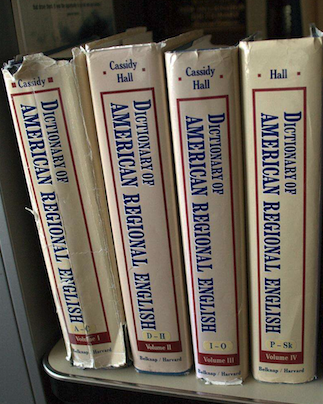
William Safire, New York Times’ resident wordsmith, called D.A.R.E. “the most exciting new linguistic project in the twentieth century.” More volumes followed, six in all. While they emerged, the Internet went live, so in 2013, D.A.R.E. went on line.
Today, all 60,000 entries gathered by the Word Wagons are available at daredictionary.com. (You can sample 100 entries free, but the full boat requires a $49 annual fee.) Beyond mere listings, D.A.R.E. online lets you travel America, word by word, with regional maps, quizzes, and more. Surprises await in every backwater.
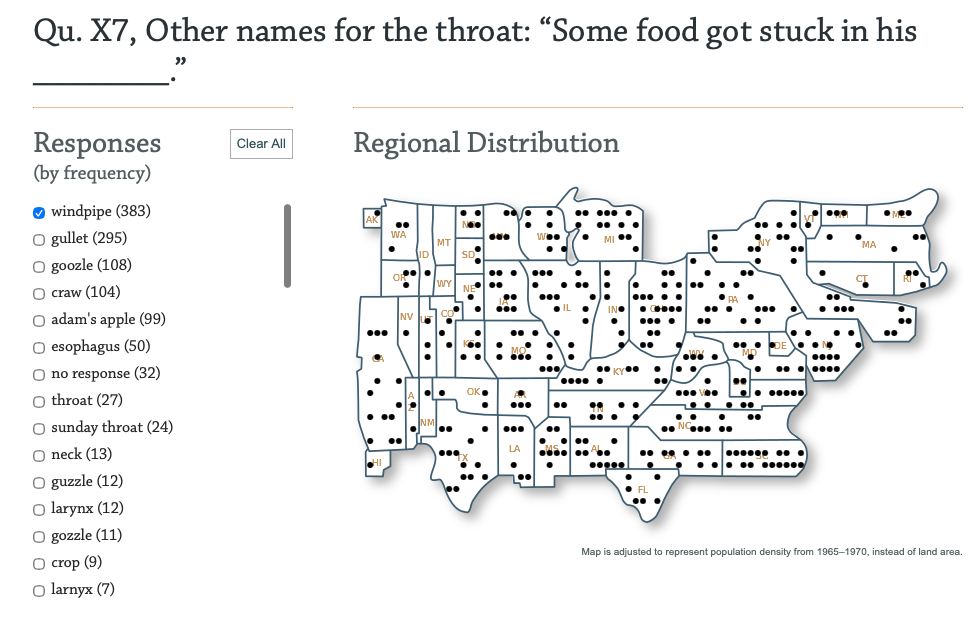
Not all slang is regional. Many terms are found in corners across the country, suggesting a linguistic diaspora in the making. Language evolves — “gay” was all but unknown “back in the day.” There are more words for “drunk,” “sex,” and other fun than you thought possible. And rare is the local word that doesn’t have at least a dozen variants from other regions.

Oh, but this was the Sixties, right? Surely dialect is disappearing in the age of screens. Fear not. D.A.R.E is still updated regularly, leaving linguists amazed by the flow of language from all parts. Rather than imitate TV or movies, Jesse Sheidlower said, “Americans generally want to sound like their neighbors, and the evidence shows clearly that major dialect regions are actually diverging.”
So if you want the skinny on the American language, skip the library, the classroom, the university. Go, as the Word Wagons did, to the people, the hoi polloi. It is “among these millions,” Mecnken wrote, “ignorant of regulation and eager only to express their ideas clearly and forcefully, that language undergoes its great changes and constantly renews its vitality.”