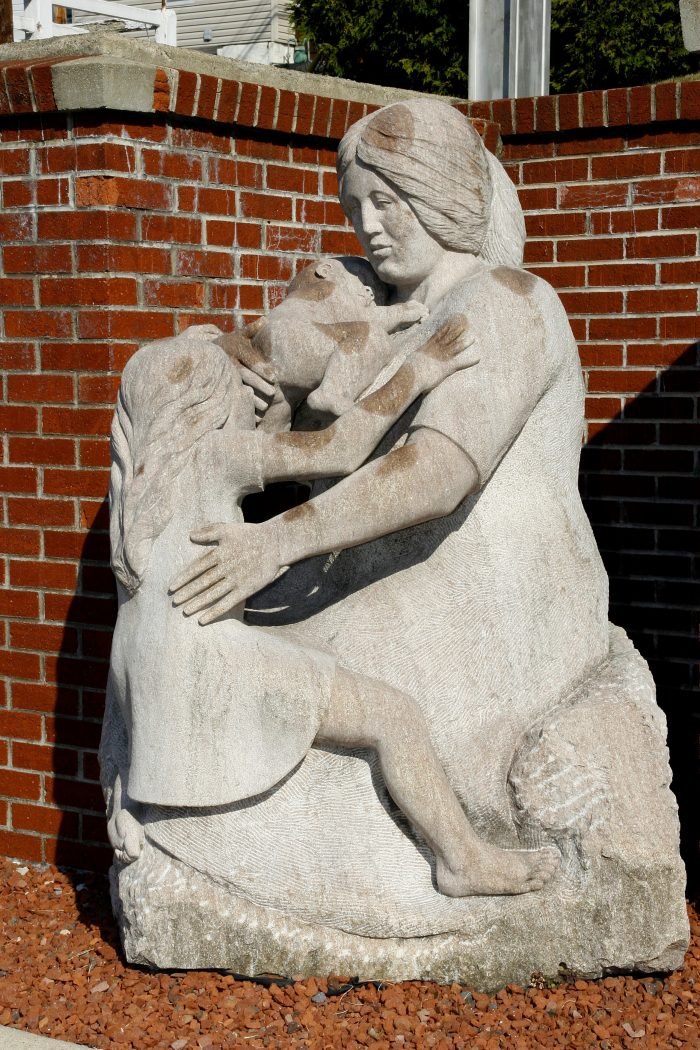
THE FEISTY CREATOR -- AND CRITIC -- OF MOTHER'S DAY
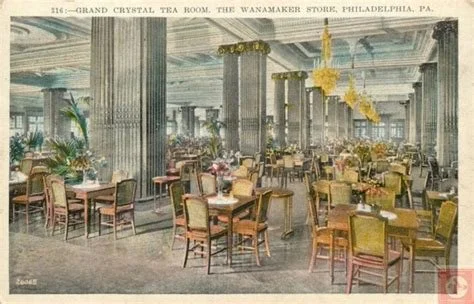
PHILADELPHIA, MAY 9, 1915 — Beneath elegant chandeliers, alongside stately marble pillars, a prim and proper woman sits in the Grand Crystal Tea Room of Wanamaker’s Department store. Because it is the second Sunday in May, she orders a “Mother’s Day Salad.” When it comes to the table, she dumps the salad on the floor.
Anna Jarvis single-handedly willed Mother’s Day onto calendars, then lived to regret it. Yet because mothers remain over-worked, under-paid, and dogged by impossible ideals, Jarvis’ struggle remains as fresh as any flower. A carnation, perhaps.
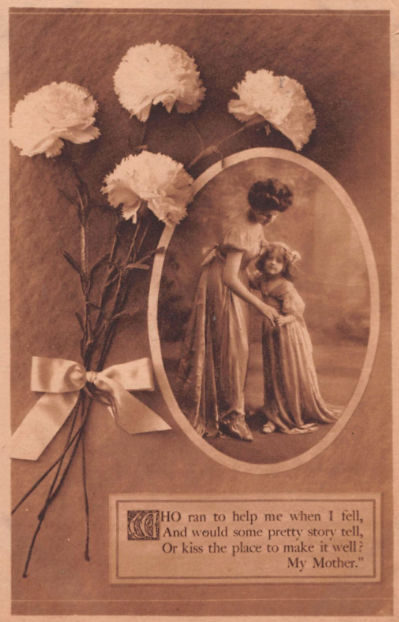
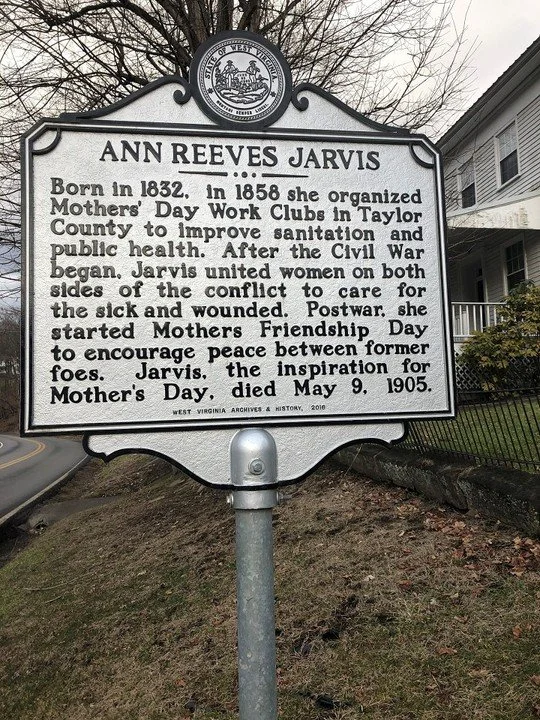
Even by our exalted standards of motherhood, Anna Jarvis’ own mother was a saint. Eleven children she bore, only to watch as, one after another, seven little ones succumbed to childhood diseases — measles, typhoid, diphtheria. . . Though weary from grief, Ann Reeves Jarvis became a force of nature.
In 1858, midway through her tragedies, Ann Jarvis started Mothers’ Day Work Clubs. Spreading to several hardscrabble Appalachian towns, Jarvis’ clubs helped mothers keep their children alive. To tackle infant mortality, Jarvis and her mothers raised money for medicine, cooked and cleaned for mothers with TB, inspected milk and promoted sanitation.
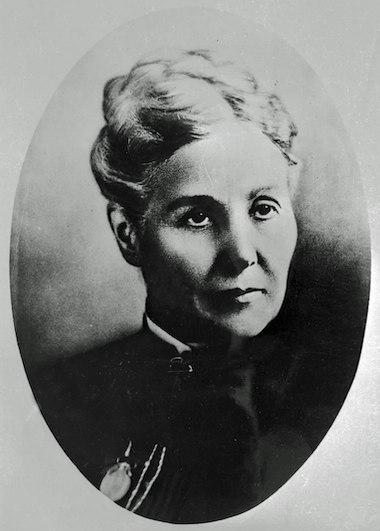
When America plunged into Civil War, Ann Jarvis refused to take sides. With West Virginia straddling Union and Confederacy, she and her mothers cared for soldiers from both armies. During the war, Ann also gave birth to her ninth child — Anna. And when the fighting stopped, Jarvis held rallies of reconciliation where bands played both “Dixie” and “The Star Spangled Banner.”
Following her mother to meetings, into homes and churches gave Anna Jarvis a very high bar for motherhood. She was just 12 when she heard her mother offer a prayer:
“I hope and pray that someone, sometime, will found a memorial mothers’ day commemorating her for the matchless service she renders to humanity in every field of life. She is entitled to it.”
WIth her mother’s encouragement, Jarvis went to college but came home restless. She soon moved to Philadelphia where she became a pioneering businesswoman. Keeping constant touch with her mother by letter, she brought the aging woman to Philadelphia after Granville Jarvis died. And when her own mother passed, on May 9, 1905, Anna Jarvis turned her grief into action.

On May 10, 1908, the first Mother’s Day was held at a church in Grafton, WV. From Philadelphia, Anna sent a telegram and 500 white carnations. Then she got busy.
Over the next several years, Jarvis wrote to businesses, newspapers, and politicians from Presidents Roosevelt and Taft to state governors nationwide. Why not a day honoring mothers? But a grammatical nuance offered a hint of Jarvis’ principled rebellion.
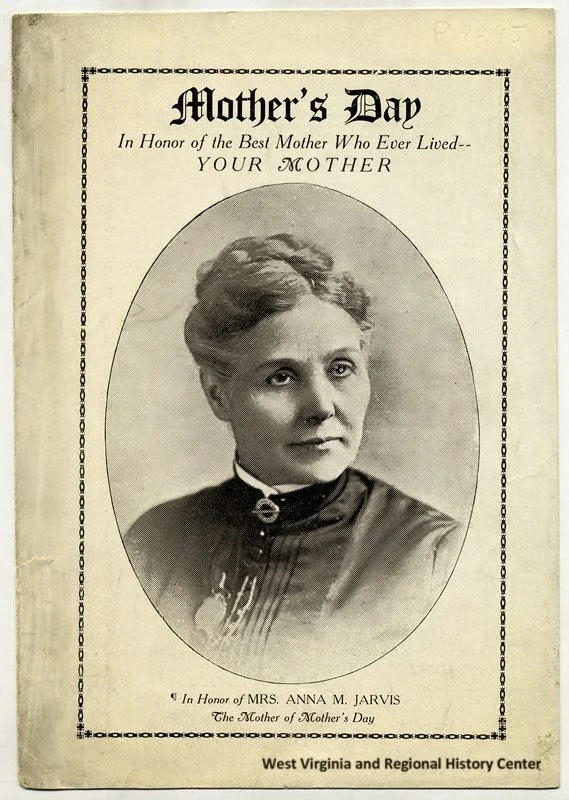
Although Mother’s Day honors all mothers, the apostrophe still goes before the ‘s,’ making the honoree a single mother. Anna Jarvis wanted it that way because she wanted each son or daughter to celebrate “YOUR mother.” A technicality, perhaps, but honoring all mothers on a single day risked commercial co-optation. The cards were not long in coming.
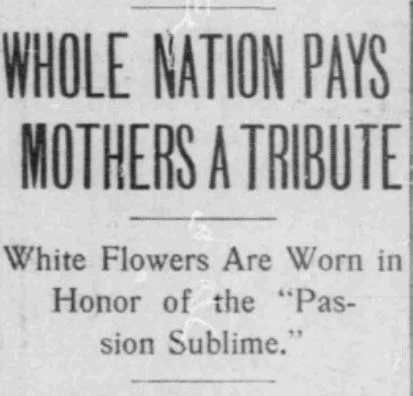
In May 1909, though not yet an official holiday, Mother’s Day went viral. “WHOLE NATION PAYS MOTHERS A TRIBUTE,” the Washington Times headlined. White carnations were everywhere. The average mother’s life remained fraught with endless housework, child rearing, and diseases that still killed one child in every six. But Anna Jarvis wasn’t done.
More lobbying led state governors, starting with West Virginia, to declare the second Sunday in May as Mother’s — not Mothers’ — Day. In 1914, Congress created the national holiday. That’s when Anna Jarvis got mad.

Because within a year came Mother’s Day cards, candies, baskets, salads, and more. Jarvis lashed out.
“A printed card means nothing except that you are too lazy to write to the woman who has done more for you than anyone in the world. And candy! You take a box to Mother—and then eat most of it yourself. A pretty sentiment.“
When florists began spiking the cost of carnations each May, Jarvis started a nationwide boycott, asking “WHAT WILL YOU DO to rout charlatans, bandits, pirates, racketeers, kidnappers and other termites that would undermine with their greed one of the finest, noblest and truest movements and celebrations?”
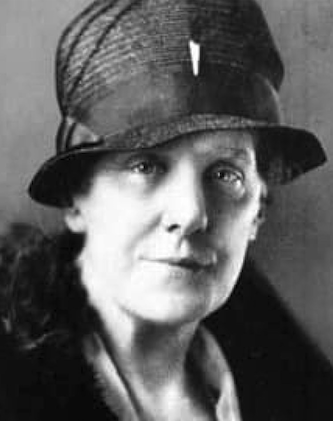
In 1923, learning that New York was planning a Mother’s Day meeting rife with cards and flowers, Jarvis threatened to sue Governor Al Smith. The event was canceled. Two years later, Jarvis stormed a convention of American War Mothers, protesting their use of white carnations. To scuttle flower sales, she began distributing buttons printed with pictures of a white carnation. She even took on First Lady Eleanor Roosevelt, accusing her of “crafty plotting” for using Mother’s Day to solicit funds for charities.
“She didn’t want the day to be turned into just another charity event,” said historian Katharine Antolini. “You don’t pity mothers; you honor them.”
On into her seventies, Jarvis spent all available funds to save Mother’s Day from exploitation. By 1940, having never married or become a mother, she was living with her sister in a Philadelphia hovel. But she still had enough energy to gather signatures to rescind Mother’s Day.
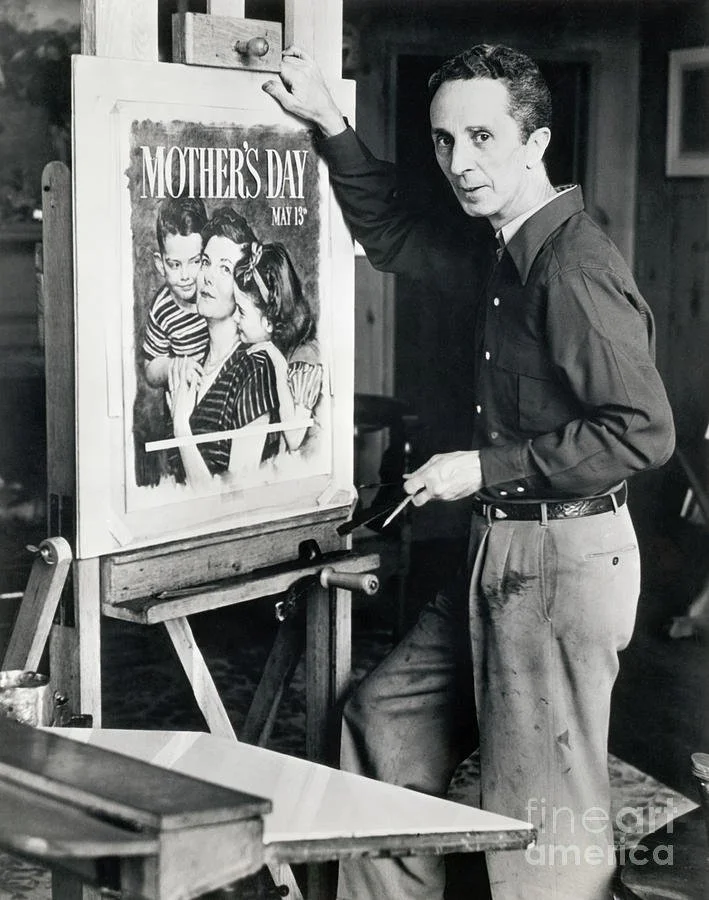
When a journalist tracked her down, she told him, “with terrible bitterness, that she was sorry she had ever started Mother’s Day.”
Jarvis died, pennieless, in 1948. By then, Hallmark and others were making millions on Mother’s Day. ”The only one not to take advantage of Mother's Day, it seems, was Anna herself,” the New York Times obit noted. “She refused money offered to her by the florist industry.”
Today, Mother’s Day is a $33 billion holiday. As Anna Jarvis’ own mother noted, your mother “is entitled to it.” But maybe this year, instead of the card, the candy, the flowers, drop by. Give her a hug. Let her know that, as Anna Jarvis said, YOUR mother is “the Best Mother who Ever Lived.”