
THE WOMAN WHO SAYS 'NO' TO SCREENS

BOSTON — THE PANDEMIC — Alone and locked down, the “Margaret Mead of the digital age” gets a call from the New York Times. Seems there’s a new “robot psychotherapist. Everybody’s downloading it.” Would she try it?
In a world of isolated individuals spending hour after hour online, the chatbot called Replika offered companionship. Sherry Turkle downloaded and quickly asked:
“What do you think about loneliness?”
“It’s warm and fuzzy.”
Wait, what?
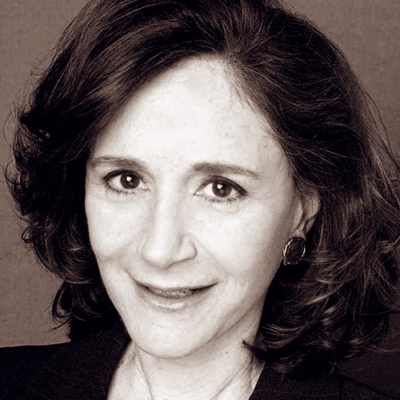
Turkle phoned the Times. “This is very smart chatbot,” she said, “but why should this thing know about loneliness? It doesn't have a body. It's not worried about being intubated from COVID. . . What the hashtag are we even thinking about siccing this thing on a lovely person like myself, who's worried about catching something and needing to say goodbye to her daughter on a screen? I don't need to be treated like a fool being given some chatbot to talk to. I need a person. Find me a person.”

In Greek mythology, Cassandra was doomed to warn the world of danger, only to be ignored. Today’s world is full of Cassandras, but during the early euphoria of the “Info Super-Highway” lone voices in the cyber-wilderness were silent. Wasn’t the Web was a miracle “connecting us all?”
Growing up a smart kid in Brooklyn, Sherry Turkle bought all the hype — at first. After getting a doctorate in psychology from Harvard, she landed at M.I.T. in the late 1970s. PCs were in incubation. AI was still in the lab. Turkle found herself “something of a stranger in a strange land.”
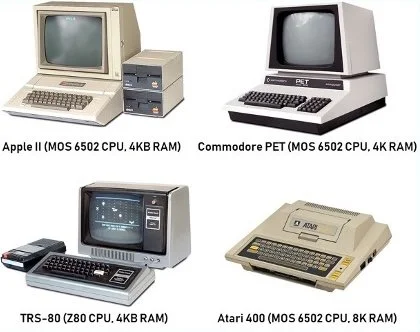
Fascinated by this brave new world, Turkle spent hours listening to digital gurus. She even married one, Seymour Papert, head of MIT’s AI lab. Sharing the enthusiasm, Turkle lauded “machines that invited us to think differently about human thought, memory, and understanding.”
For her first book, The Second Self: Computers and the Human Spirit (1984), Turkle interviewed kids, college students, engineers, and hackers. Despite concerns about computer addiction, she focused on how computers “fostered new reflection about the self.”
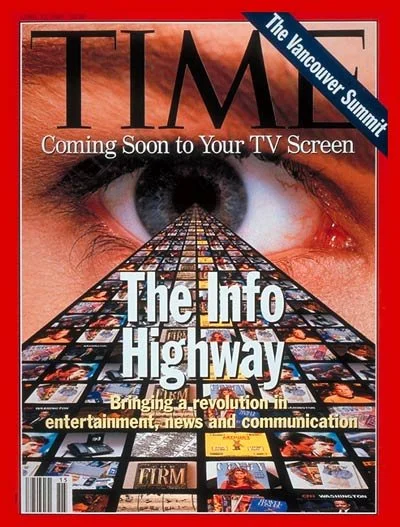
But then came the 90s, the Web, and “cyberspace.” Turkle tried to remain upbeat, yet during pizza parties in her Boston home, she met ordinary folks sharing stories of whole days spent in the virtual world. The innocence was gone.
“And then I saw the narrowing of possibility as computers became not an expressive medium, but black boxes where you were told, ‘Don't learn how it works. Don't learn how to explore it. It's a box for playing games.’”
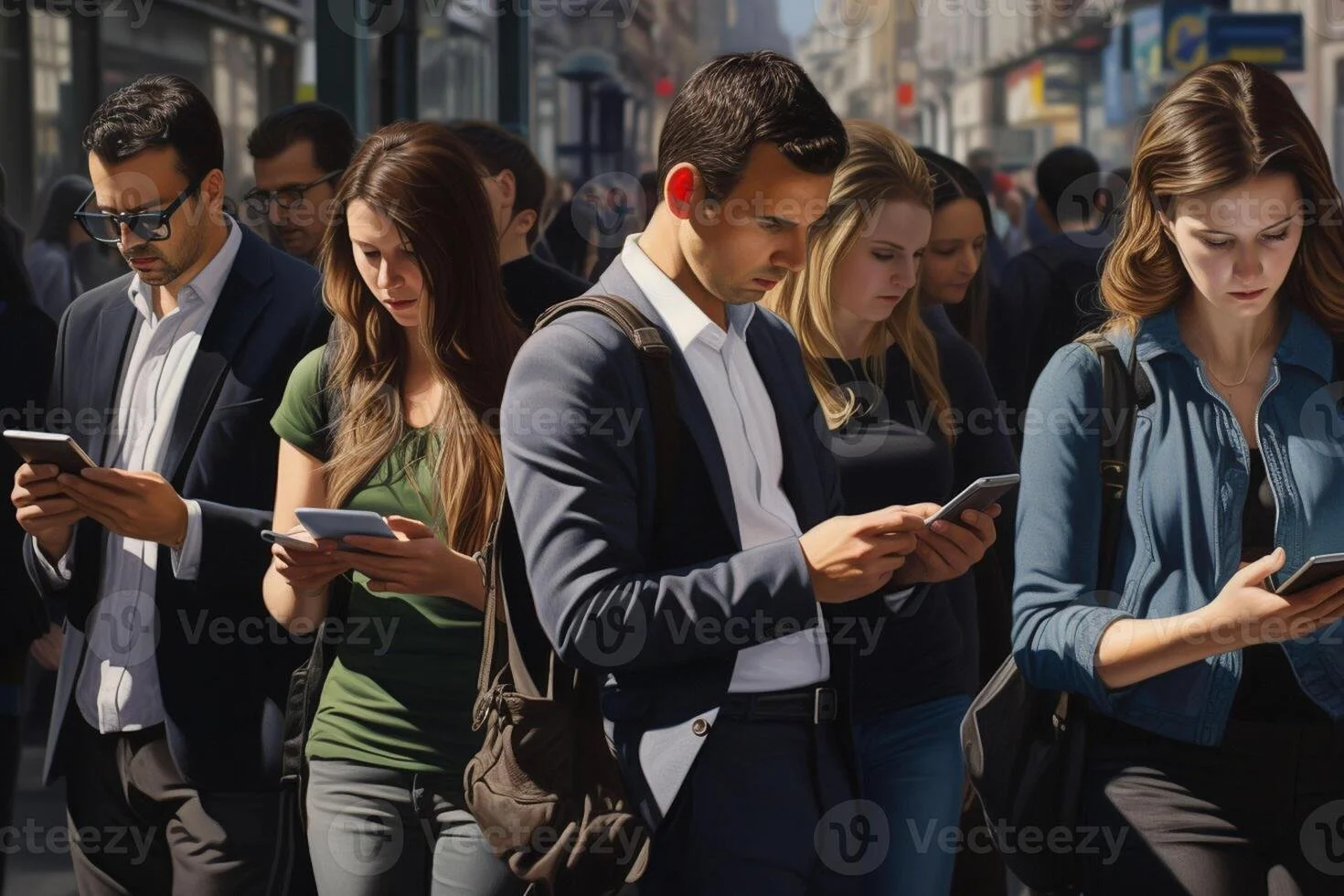
You know where this is going. From the promise of an “electronic frontier” came social media, smart phones, texting, and now AI, AI, AI. . . As both psychologist and mother, Turkle became Cassandra, the M.I.T. prof who talked back to the Silicon Valley, who had the studies showing “what computers are doing to us.”
Turkle’s breakthrough came in her 2011 book Alone Together. “I feel witness for a third time to a turning point in our expectations of technology and ourselves,” she wrote. “We expect more from technology and less from each other.”
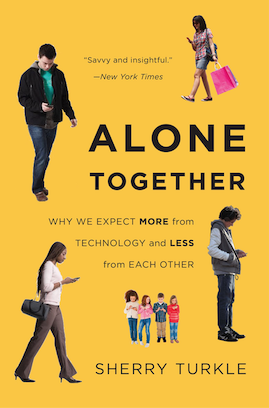
Turkle studied 300 children and 150 adults. Again and again she heard praise for social media, how Facebook connected families and made new friends. How texting put people in touch. Okay, but what was this “doing to us.”
Online friendships “were not the same as sitting across the table from someone and saying, how are you? What's been going on?”
And what’s wrong with real conversation anyway?
“I'll tell you what's wrong with conversation,” one teen told her. “It takes place in real time, face to face. And you can't always control what you're going to say.”
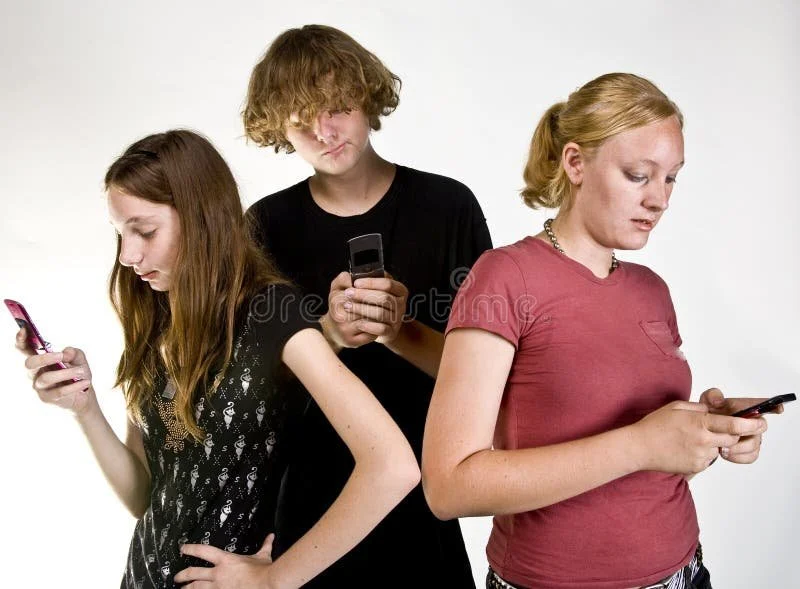
Citing a Nielsen study, Turkle revealed that the average teen “sends over three thousand text messages a month. My data suggests that this number is steadily increasing. What I report here is nothing less than the future unfolding.*
Her early work put Turkle on the cover of WIRED, but Alone Together put her front and center. She gave TED talks, spoke to Google employees, and made the talk show circuit. Everywhere she spoke she asked people to ask hard questions.
Chronic phone users, she said, were constantly asking “Wait, what?” What had they just missed while scrolling? “Every time you check your phone in company, what you gain is a hit of stimulation, a neurochemical shot, and what you lose is what a friend, teacher, parent, lover, or co-worker just said, meant, felt.”
Along with pre-empting actual life, she saw the digital world destroying conversation and “assaulting empathy.”
“In this country, certainly we need to learn how to talk to people we don't agree with. In the metaverse we can just silo ourselves and that's what's happened. People choose the community in the metaverse, where they agree with everyone around.”
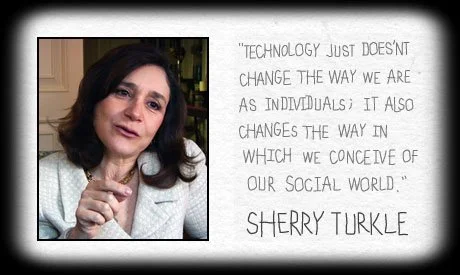
Now 77, Turkle continues to teach at MIT and continues to sound the alarm. In her forthcoming book, Artificial Intimacy: Who We Become When We Talk to Machines, she takes on AI’s “pretend empathy.” Will we settle for that? Beyond faking empathy, AI and its “culture of chatbots are producing a generation more alienated, depressed, and lonely than ever.“
Turkle doesn’t think of herself as a Cassandra but as a “concerned citizen.” Yet all those deaf ears continue to surprise her. “We have so much evidence of harm, and yet we are barreling on. It's as though we refused to see the evidence before our eyes and in our hearts.”
So what should you do to downscale? Turkle recommends: “no texting at mealtime, no texting when you're cooking, no phones at the dinner table. . .”
Finally, make a room in the house where digital devices are not allowed. A conversation space, call it. Because all of Turkle’s work, “my contribution, and my methodology, and my intent, is to try and put technology in its place.”