
A VISIT TO THE LAST BOOKSTORE
“The report of my death was an exaggeration.” — Mark Twain
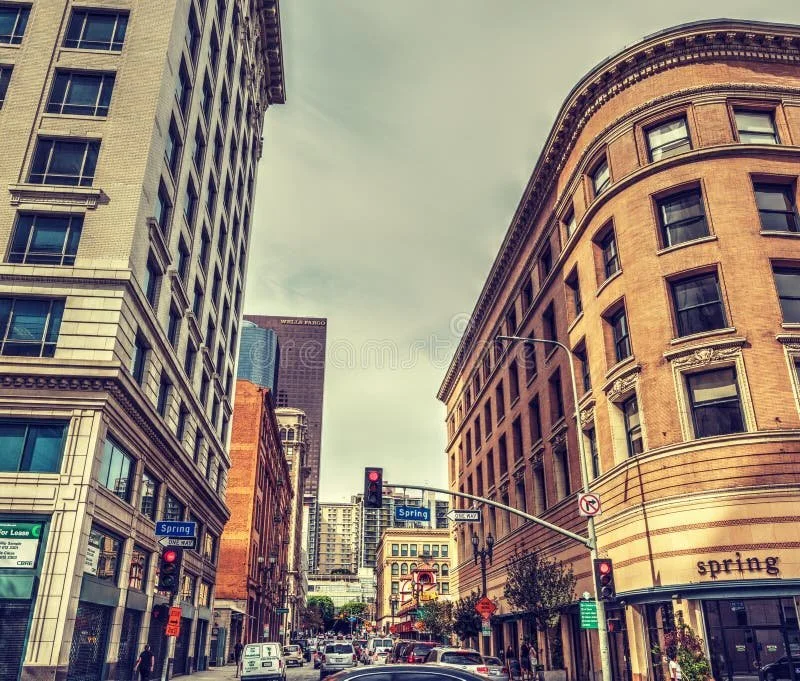
DOWNTOWN LOS ANGELES — 2015 — Down these dumb streets walks a man who is not dumb, just dumbstruck. Hmmm. Never used to be anyone on the street here. No one walks in LA. But revival is in the air — new stores, restored apartments, foot traffic. And can that be a bookstore?
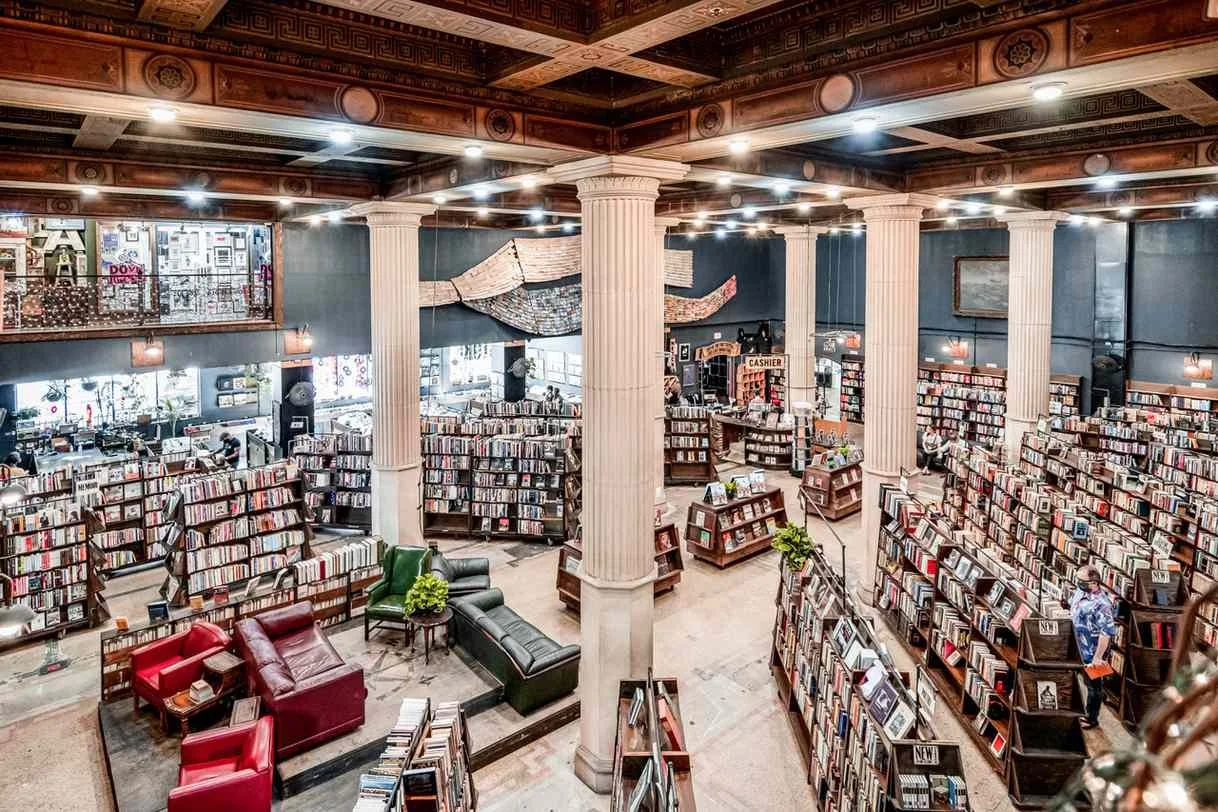
No, must be a bank. Huge pillars inside. Towering ceiling. Bank vault against one wall. But why all these sofas? And bookshelves? And racks of vinyl? Still, no bookstore has this many customers. They stand at shelves, browsing. They sit in sofas, reading. They love it here. The sign on the window reads The Last Bookstore.
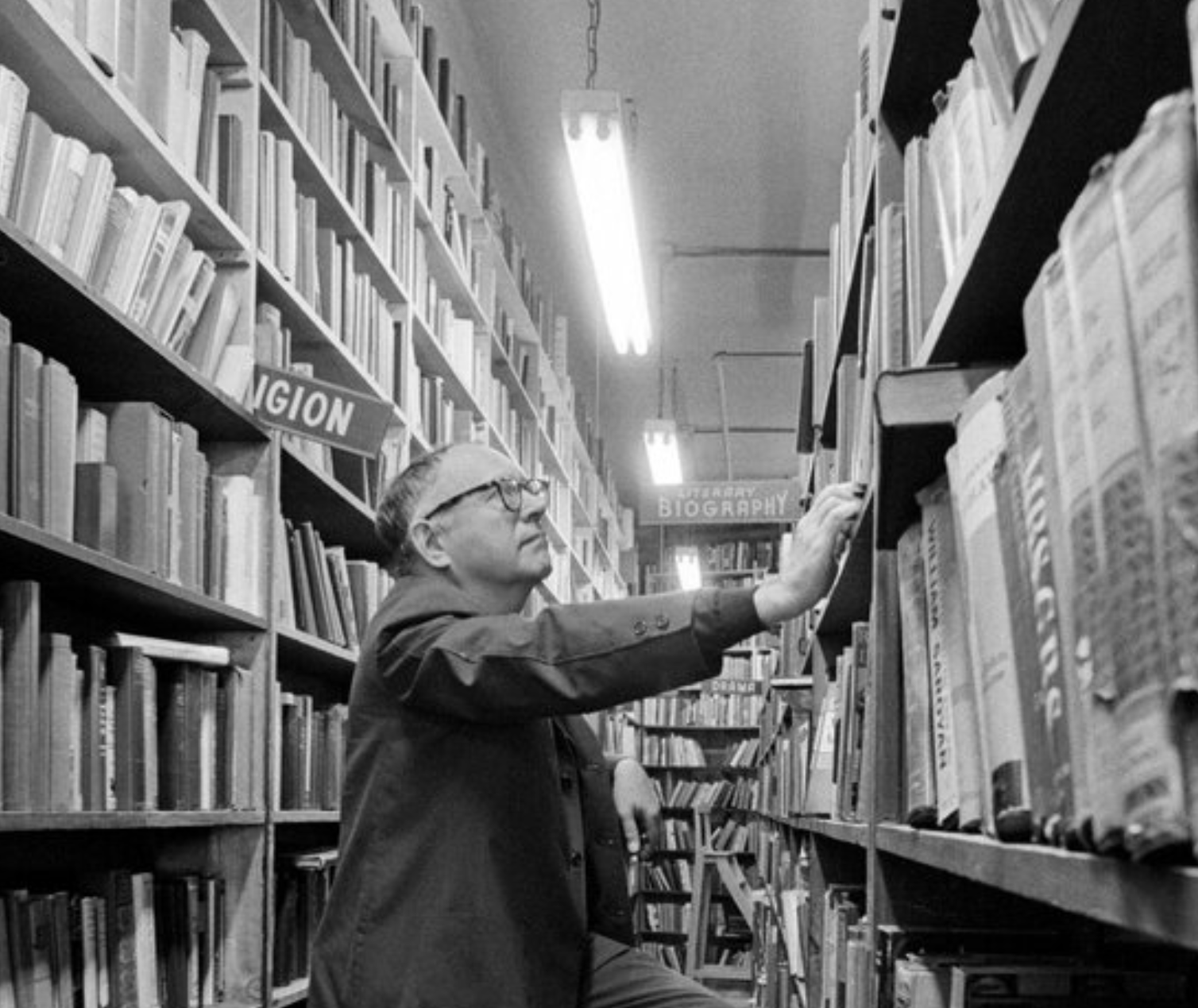
We almost lost bookstores. In 1995, some 7,000 independents dotted America. That year, Amazon opened online to sell books, just books. By 2000, 45 percent of independent bookstores had closed. A decade later, just 1,600 remained.
The list of the bankrupt was not just another sad Chapter 11 tale. Each bookstore that closed was closing whole chapters of lives, interests, intellects. Lifelong reading Meccas were just. . . gone. Boston’s Old Corner Bookstore (in business since 1828). Cody’s Books in Berkeley (my college hangout). The Gotham Book Mart in Manhattan. (“It's impossible to imagine New York City without it.” — Arthur Miller.)
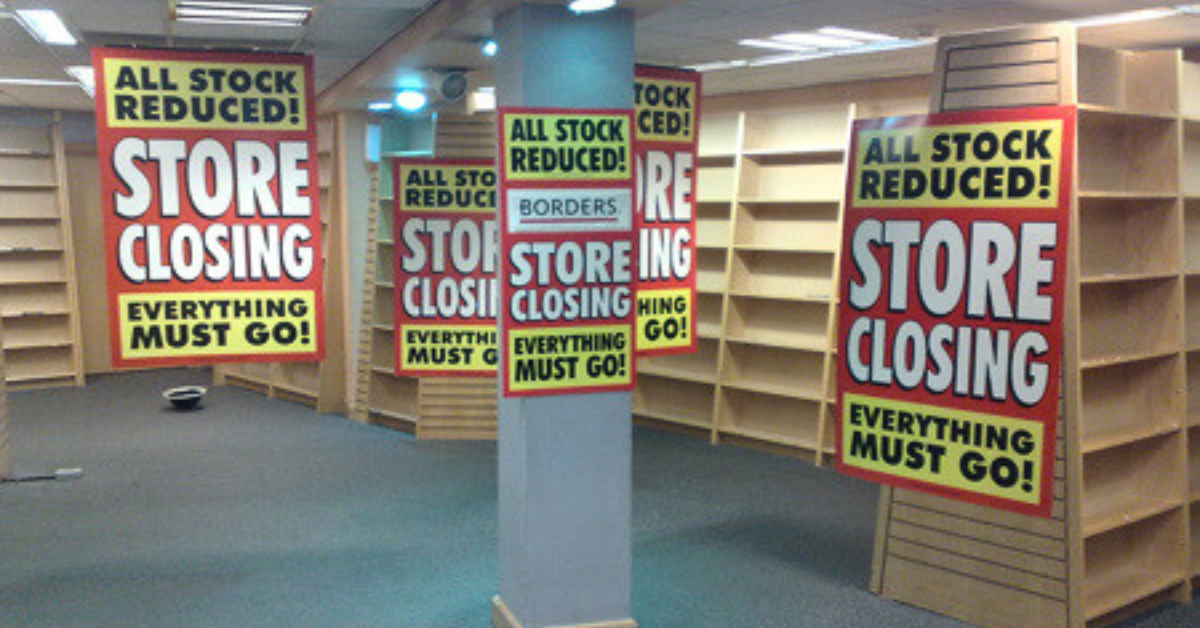
Next, the big chains succumbed. Borders and B. Dalton, Waldenbooks and Crown Books. Barnes and Noble survived but closed 50 stores. The press saw “a retail apocalypse.” A final death knell tolled with Amazon’s Kindle. “We expected print books to go out of print,” one publisher said.
So Josh Spencer was not kidding when, in 2005, he christened “The Last Bookstore.” “There was press about books going away and e-books taking over,” Spencer remembered. “I thought, ‘Okay, I’m just going to do this kind of art project bookstore. And it’ll last two or three years and it’ll fail because the book business is going to be done.”
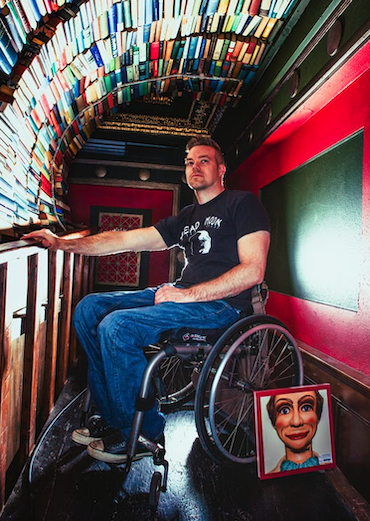
But Spencer knew all about revival. A former surfer and biker, he was slammed by a car in 1996, paralyzed below the waist. A decade of depression followed, miring him, at 30, in food stamps and despair. “Wow, I’m a loser!” he thought. “I gotta find something I can get behind. I’d always been a writer and a reader so I thought, ‘Well, I’ll try books.’”
In 2009, after selling used books out of his apartment, Spencer opened a downtown storefront. The Last Bookstore “was busy from the first day.” Then in 2011, Spencer bought the 1915 Citizens National Bank building on Spring Street, deep in the bowels of old LA, Raymond Chandler country. Twenty-two thousand square feet needed decorating, so. . .
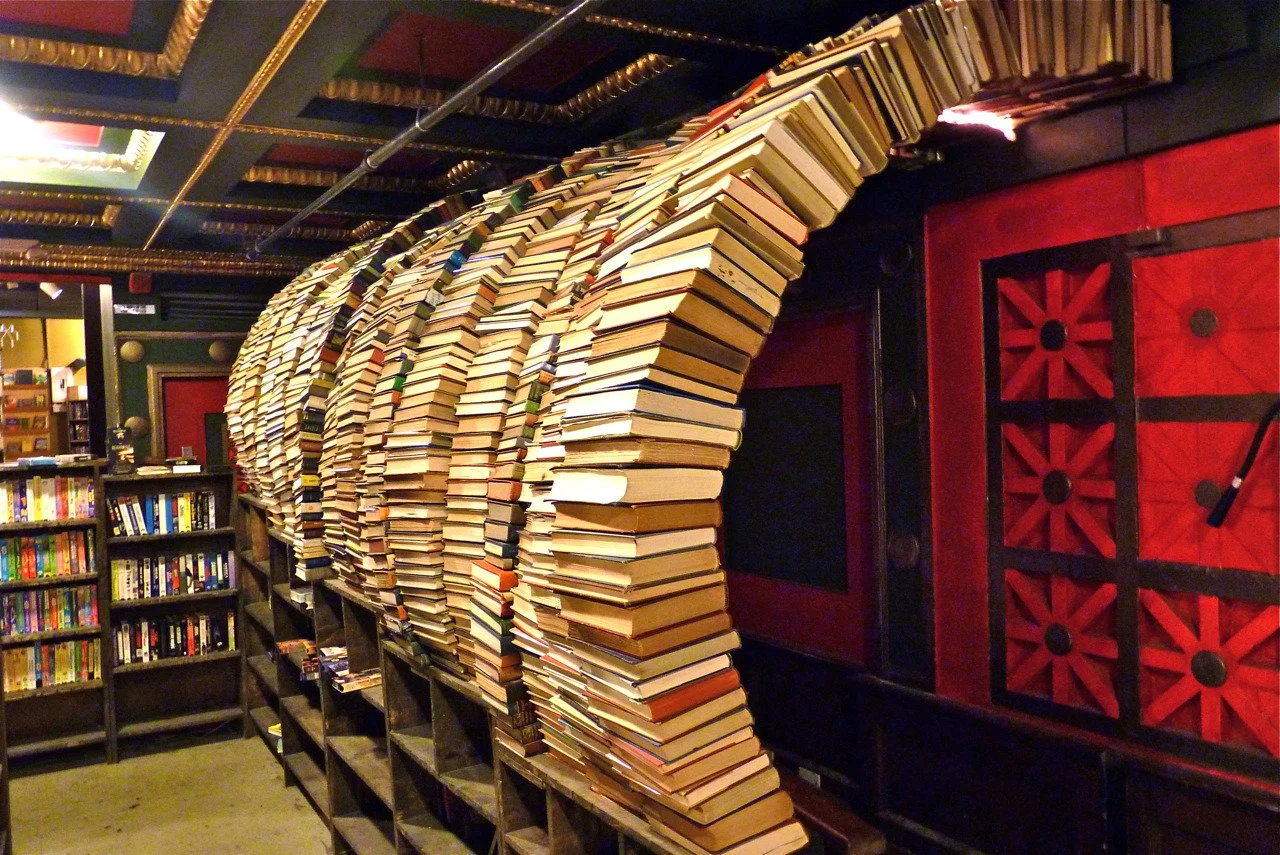
A tunnel built of books. Light fixtures made from bike wheels. Antique typewriters and radios. And upstairs, shelves of books arranged, just for fun, by color.
“I created this space as somewhere I’d want to hang out,” Spencer said. “It’s like a huge living room for me and it seems to work for other people, too.”
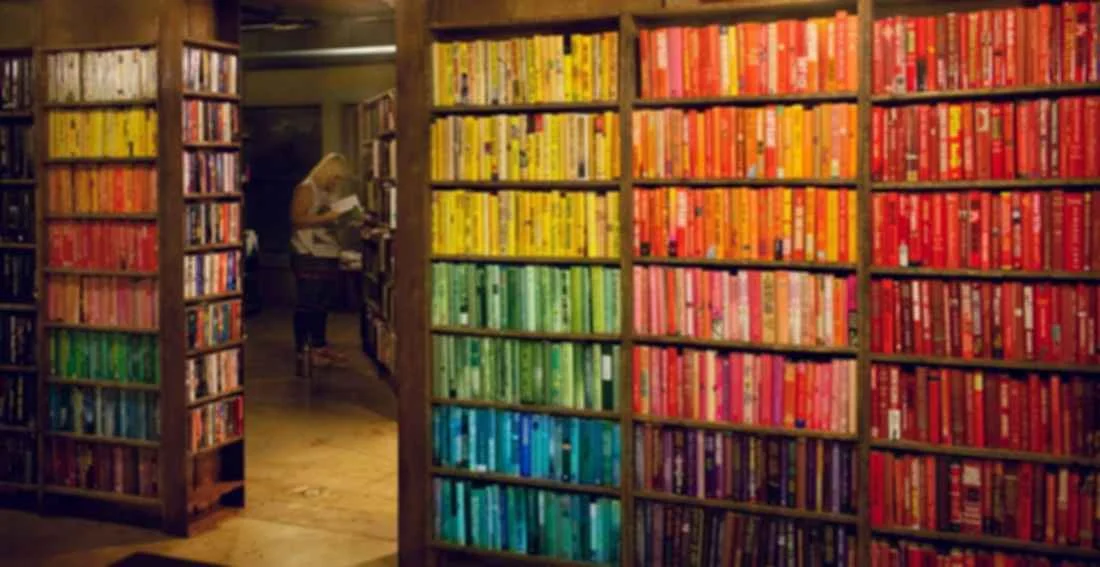
By 2015, when I stumbled in dumbstruck, The Last Bookstore was the largest independent in Southern California, with a half million titles in print and vinyl. What you can’t find, Spencer and his staff will find for you, even sending you a “curated bundle” of “surprise me!” books based on your tastes.
“If there were ever a bookstore that feels like stepping into a dream built for book lovers,” a librarian posted on Facebook, “this is it.”
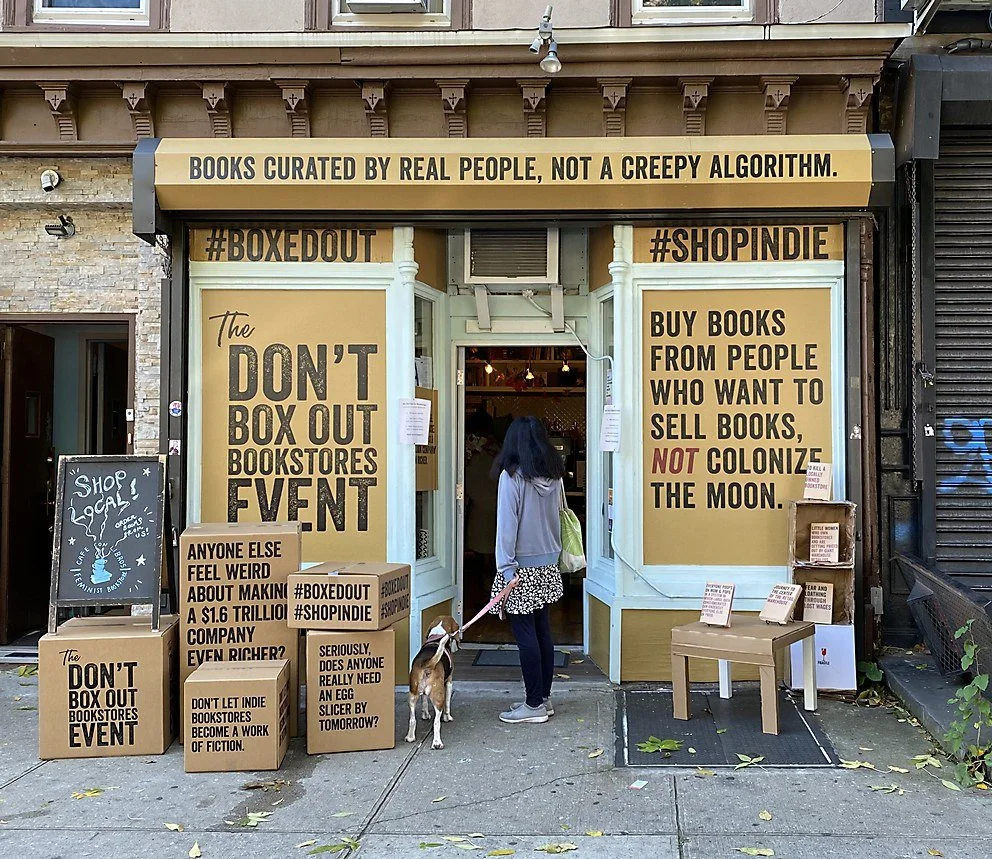
But in recalling Poe’s “The Premature Burial,” The Last Bookstore was not alone. After touching bottom in 2010, independent bookstores have brought reading, browsing, and cherishing books back to life. Since 2015, the number of “indies” has doubled. Four hundred new bookstores opened last year alone. And the number of print books published has risen every year since 2013.
Josh Spencer was surprised, but not really. “You know, people just don’t like to lose something they’ve loved for centuries. I think the digital age has made print books more popular in a weird way. It made everyone come out of the woodwork who really wants to see books survive.”
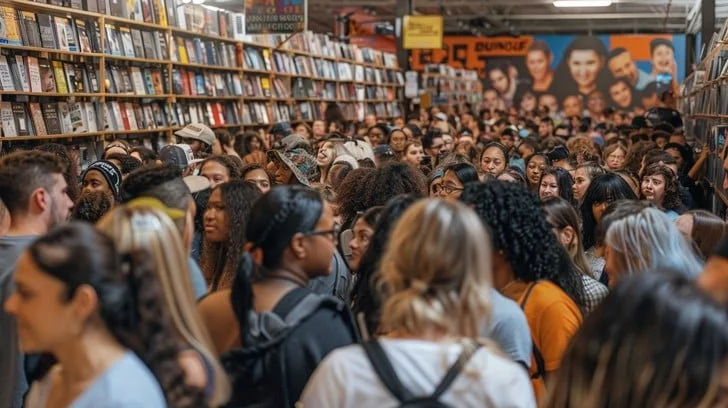
Spencer and other booksellers also deserve credit. They got smarter, not by reading Tolstoy but by asking “what would I want in a bookstore?”
Studying the revival, the Harvard Business School cited “three C’s — community, curating, and convening.” Like The Last Bookstore, other indies became second homes for book lovers by carefully selecting the best books, and hosting readings, book clubs, and other gatherings.
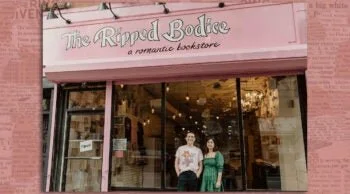
Specialization also helped. The Ripped Bodice near LA is all romance. Houston’s Murder By the Book sells mostly mysteries. Chicago’s Women and Children First is all about women. Cleveland’s Parallel Universe is one of many sci-fi fantasy bookshops. . .
Yes, you’ve read how few people read books these days. And you’re reading this on a screen when you could be reading Tolstoy. But the indie revival continues, and not just in bookish cities like San Francisco, New York, and Seattle. Try Watermark Books and Cafe in Wichita, Hello Hello Books in Rockland, ME, Wild Rumpus Books in Minneapolis, King’s English Books in Salt Lake. . .
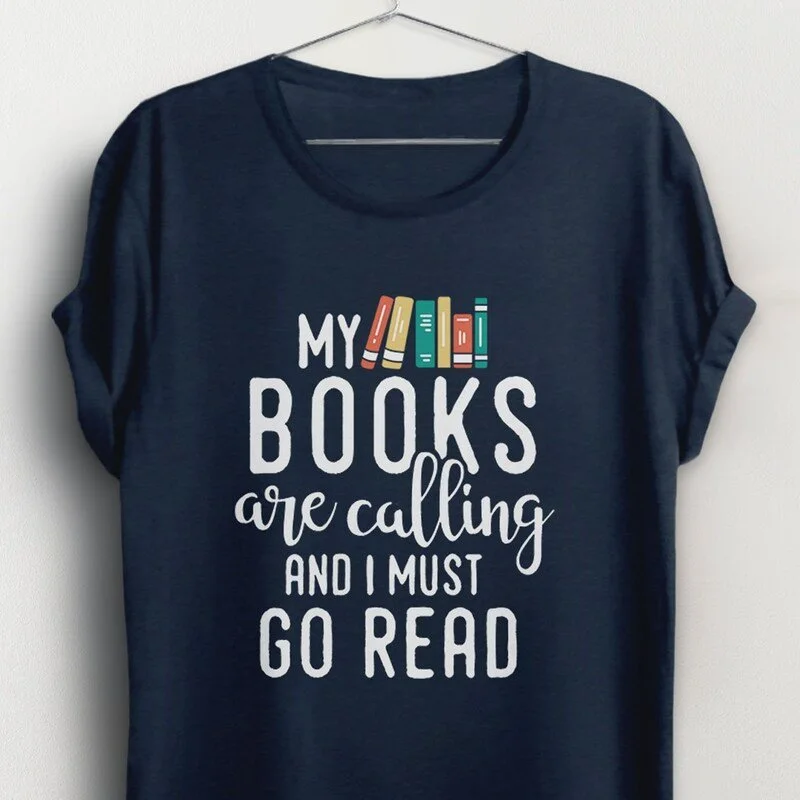
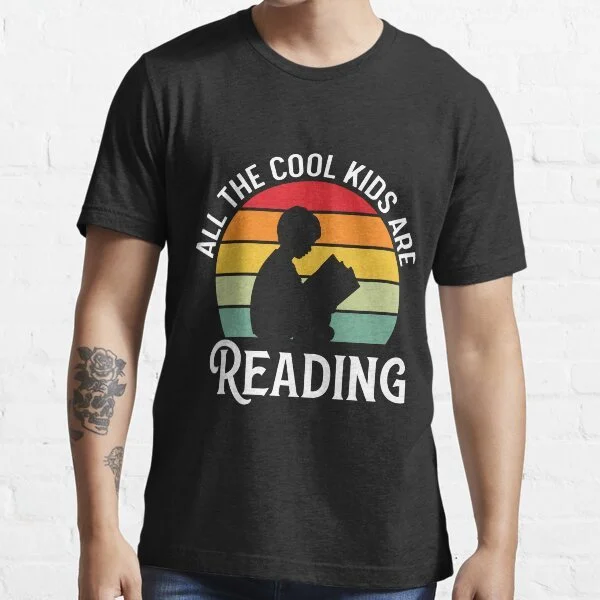
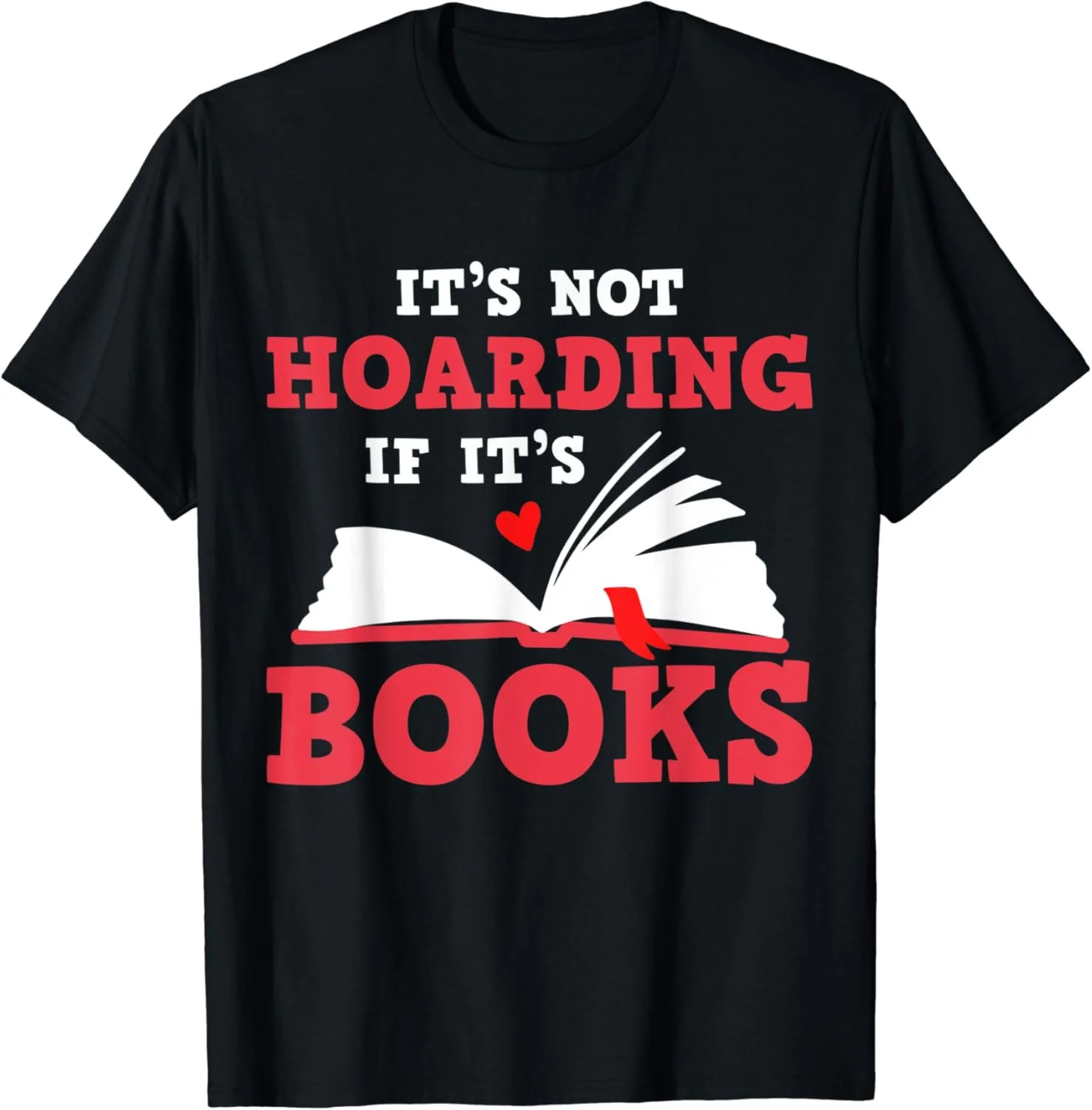
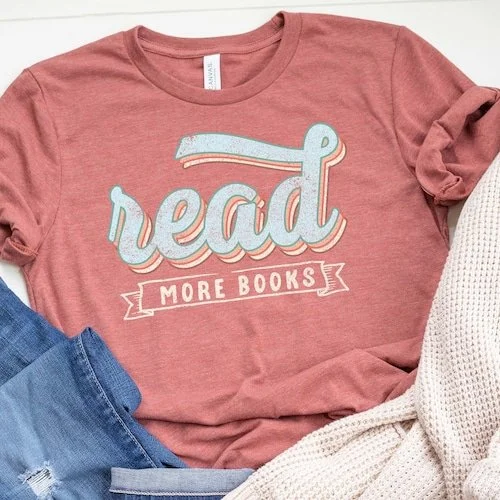
“Of the making of books there is no end,” the Bible told us. Yet to devout readers, books are not just another commodity. T-shirts sold in bookstores share the love.
Josh Spencer and his team now run two spinoff stores near LA and one in Honolulu. But their flagship remains in the bank building downtown, hailed by its website as “part landmark, part labyrinth. Come for the tunnel of books, stay for the vinyl, art, and the strange sense that time works differently here.”
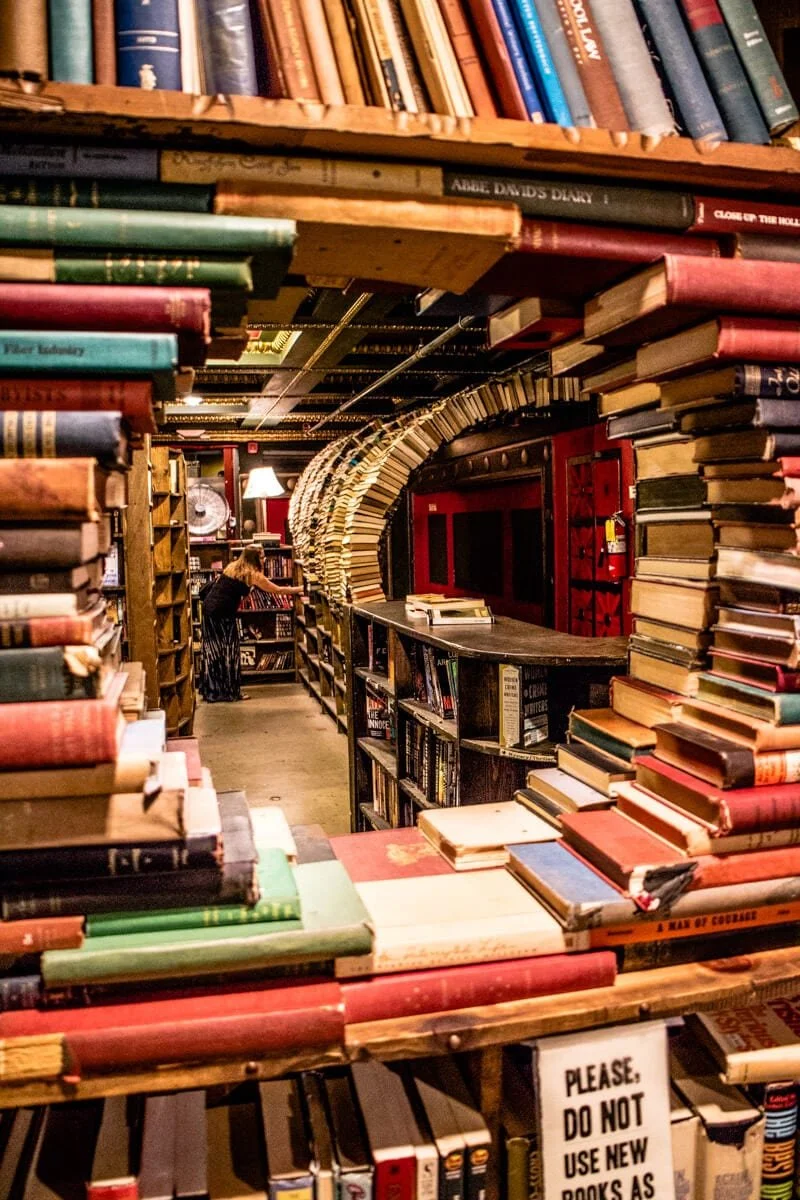
With a couple used novels in hand, with renewed belief in books, I head for the door. A sign bids me goodbye.
“Thank you for visiting The Last Bookstore. You are now re-entering the real world.”