
SOME LIKE IT HOTTER
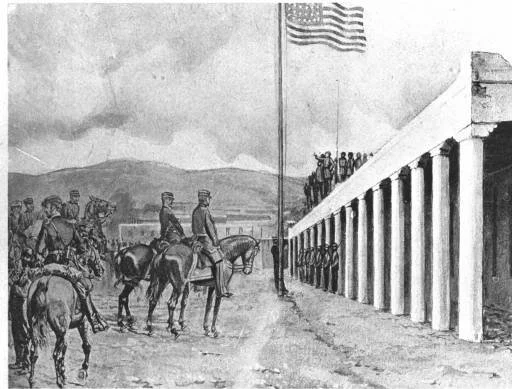
BERNILLO, NM — 1846 — The Mexican-American War was raging. New Mexico was the first to fall. But once the US army took control of this arid and enchanting territory, revenge was swift.
One evening just north of Albuquerque, a pasty-faced officer sat down to a banquet made by locals. Roast chicken and mutton, “then followed various other dishes, all dressed with the everlasting onion and the whole terminated by chile, the glory of New Mexico.” The Gringo dug in. “The first mouthful brought tears trickling down my cheeks, much to the amusement of the spectators with their leather-lined throats.”
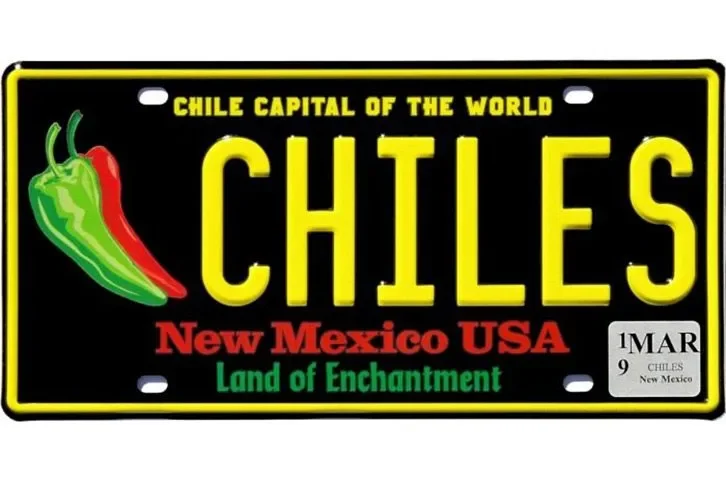
Chiles are cultivated around the world but most of America’s heat comes from a single state. Texas has its Crimson Bonnets. Louisiana pumps out the ubiquitous Tabasco sauce by the truckload. But only in New Mexico do chiles saturate the entire society. From the state license plate to the official state question — “red or green?” — chiles remain “the glory of New Mexico.” .
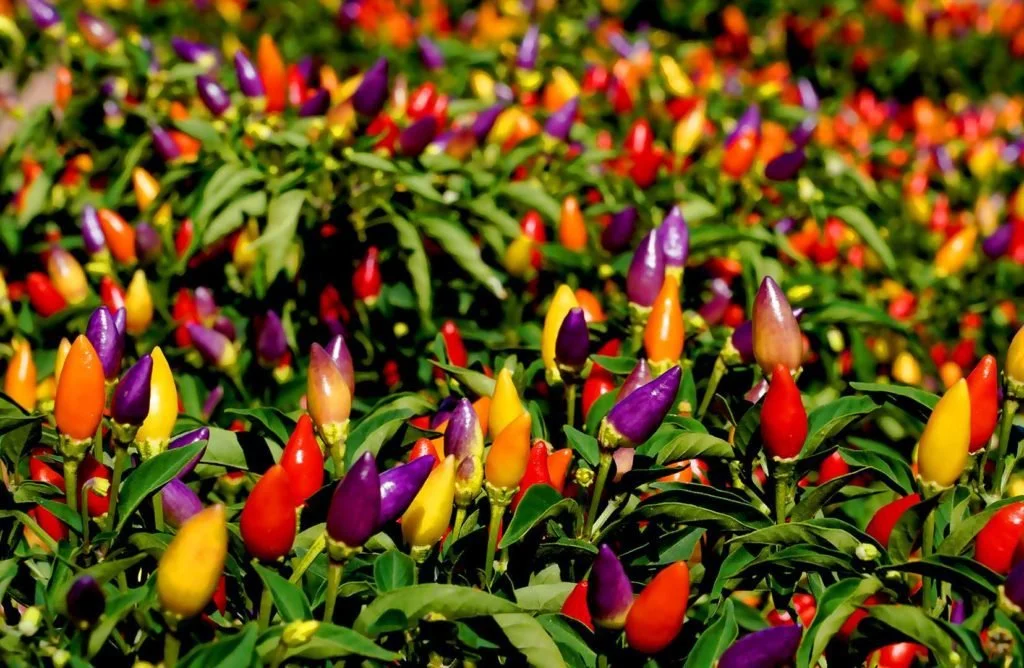
Some 150 varieties of chile are grown here, not just ancho, habanero, and jalapeño but Sunrise, Sunset, Eclipse, Mirasol, and Piñata. Varieties developed at New Mexico State University, which boasts the world’s only Chile Pepper Institute, all begin with NuMex. NuMex Big Jim, NuMex Sandia, NuMex Española Improved. . . And as the institute proudly notes, the New Mexican chile industry began here in Las Cruces with a single man.
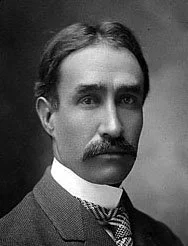
Fabian Garcia grew up in Chihuahua where, in both weather and food, everyone liked it hotter. Orphaned at age two, Garcia came north with his grandmother, into New Mexico’s Mesilla Valley. Like the border itself, the boy soon sensed a stark line between Gringos and Mexicans, a line drawn by chiles.
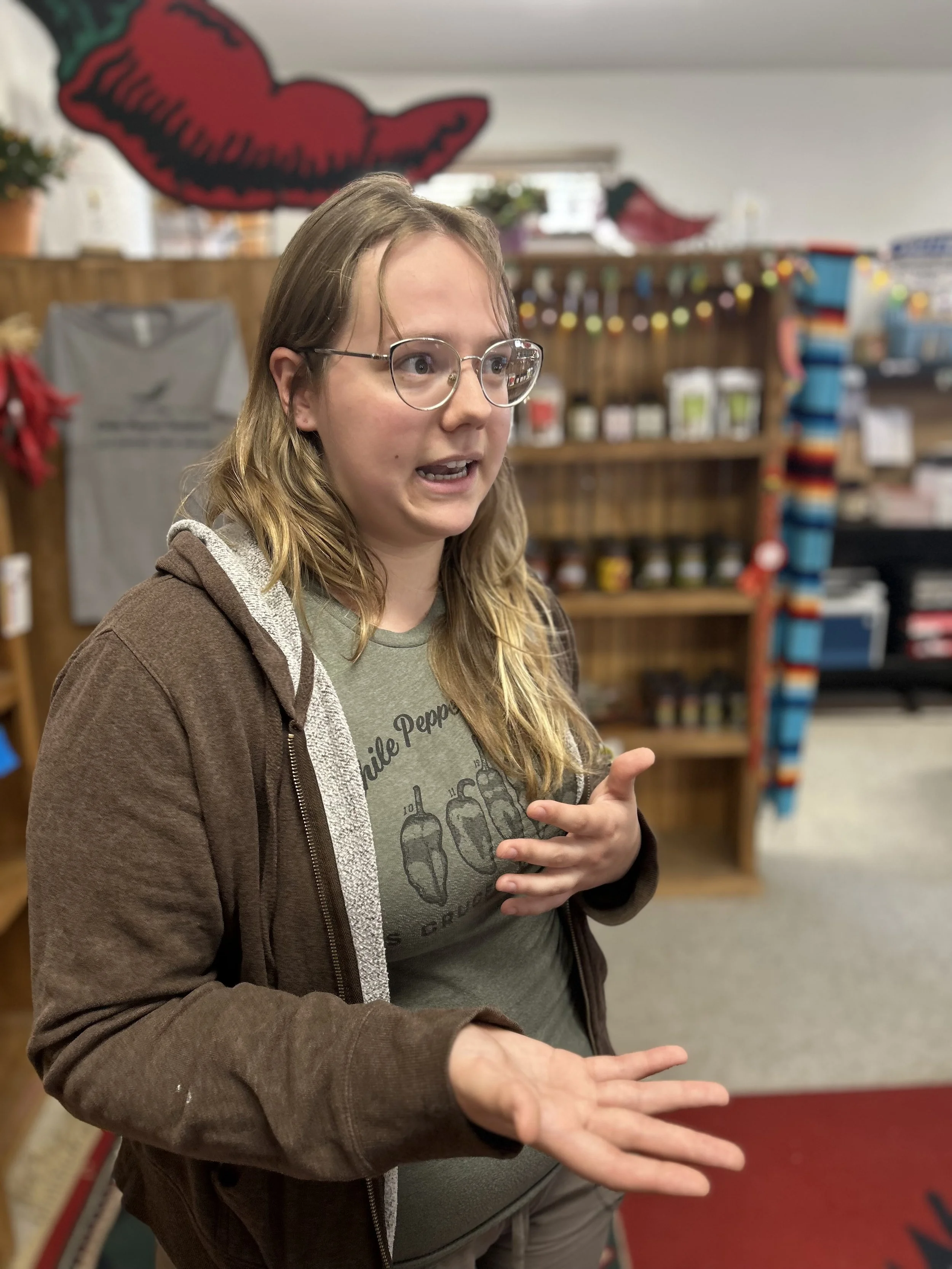
“He was coming from Mexico where there’s this wonderful chile everywhere,” said Susan Dickerson of the Chile Pepper Institute, “but he saw that we couldn’t handle the heat. So in 1888, he started breeding chiles, making them more palatable to the average Gringo.”
After years of cross breeding, Garcia developed NuMex No. 9, a chile he found "larger, smoother, fleshier, more tapering and included a shoulder-less pod for canning purposes.“ In 1913, Garcia made No. 9 available to growers throughout the Mesilla Valley. Green and red chiles were soon seen drying on rooftops, canal banks, and open fields beneath the blistering sun. The heat was on.
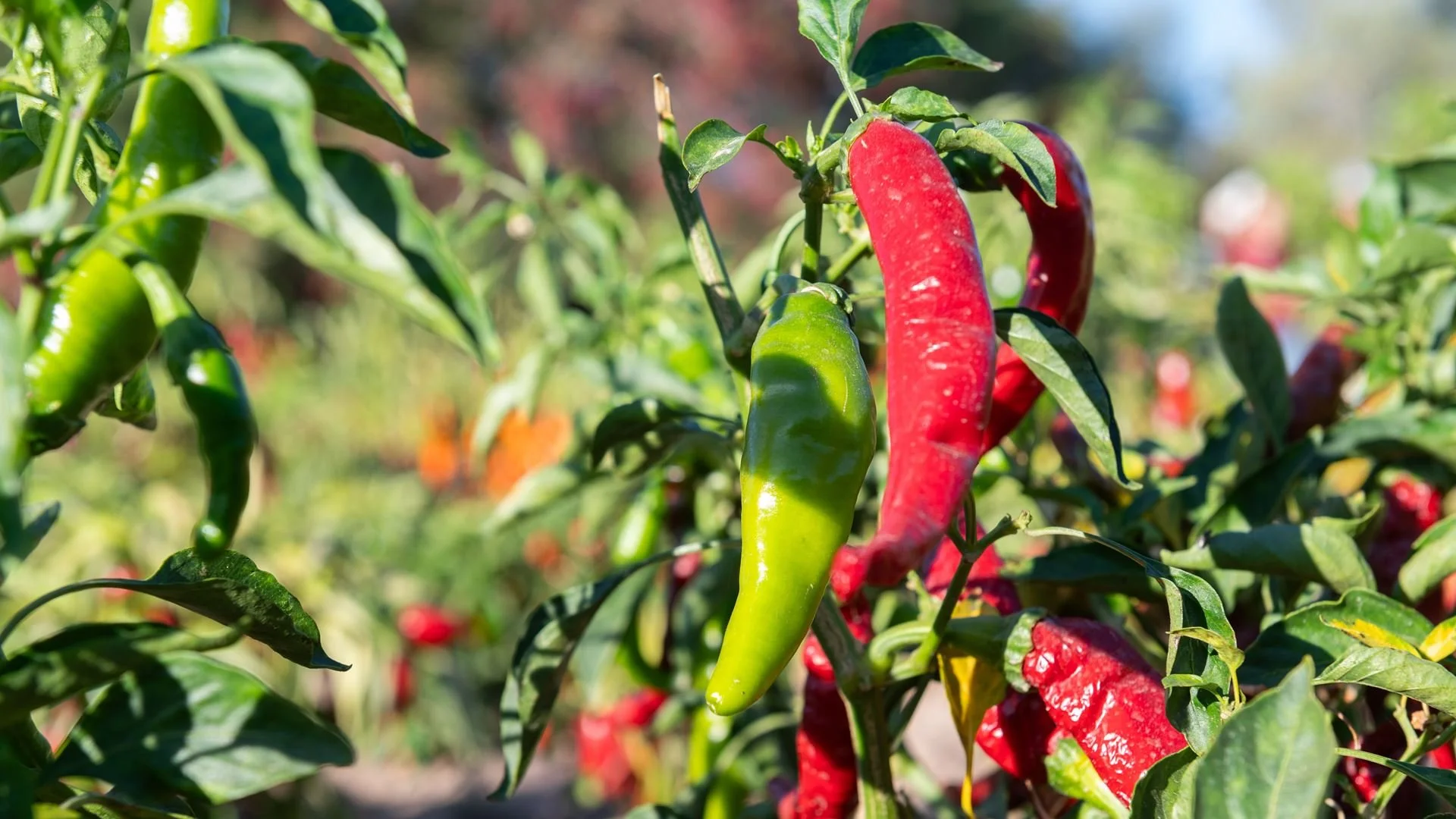
New Mexico now produces some 50,000 tons of chile peppers each year, 77 percent of America’s total. Growers rake in $60 million at harvest and quadruple that sum in the processing and sale throughout the US. Beyond all that mild salsa and blazing hot sauce, New Mexican chiles are made into powder, paste, flakes, oils, ointments and more.
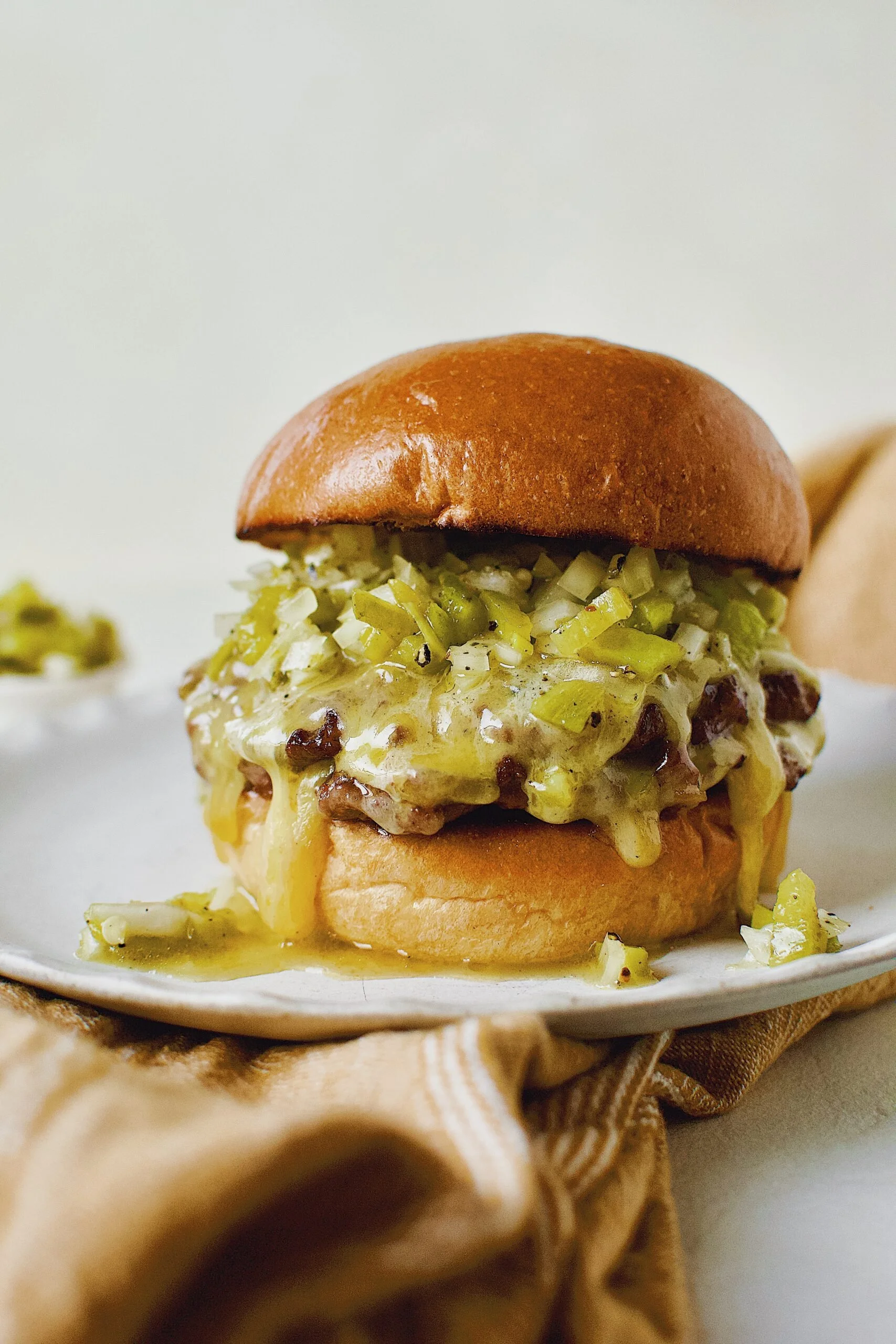
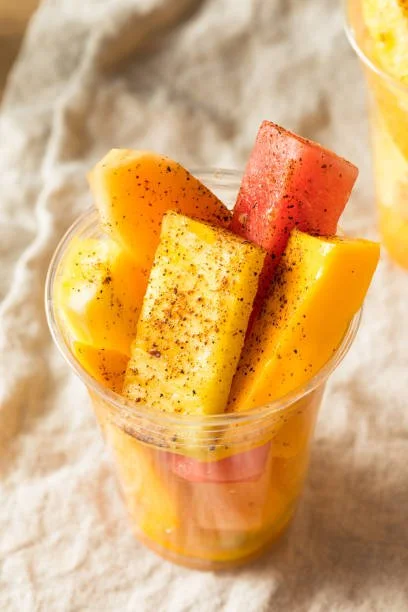
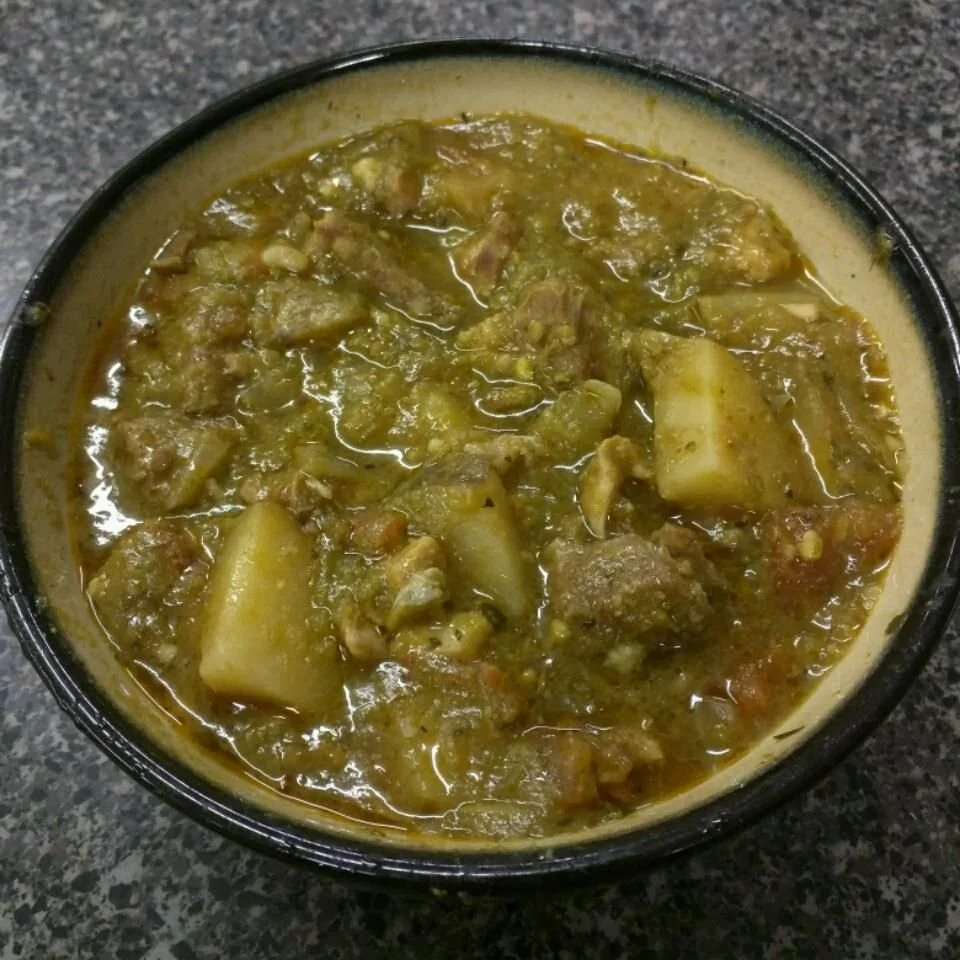
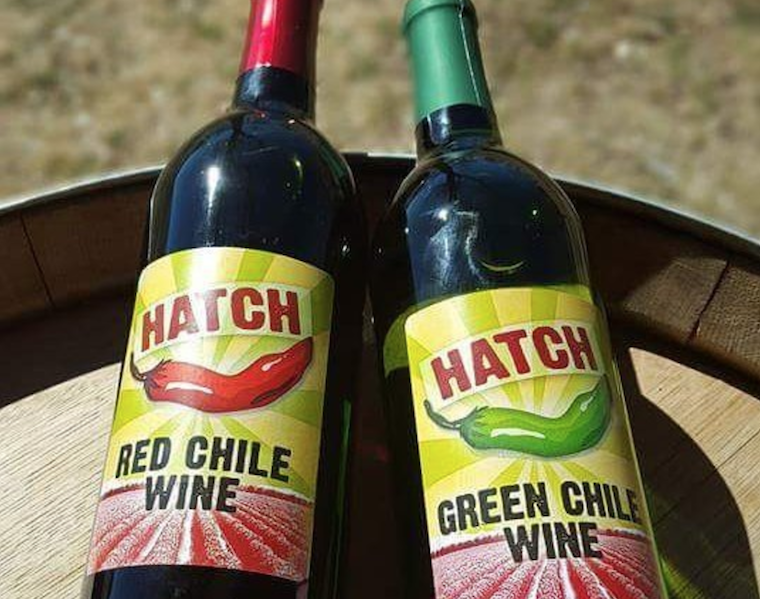
Chile-heads elsewhere add heat mostly to meat or some bland burrito, but in New Mexico, no cuisine is safe. Here chile spices up jams and jellies. Chile is sprinkled on fruit, ice cream, and the Mexican delicacy of chapulines (dried grasshoppers.) Whole green chiles adorn hamburgers, omelets, and sandwiches of all kinds. Care for a glass of Hatch Green Chile wine?
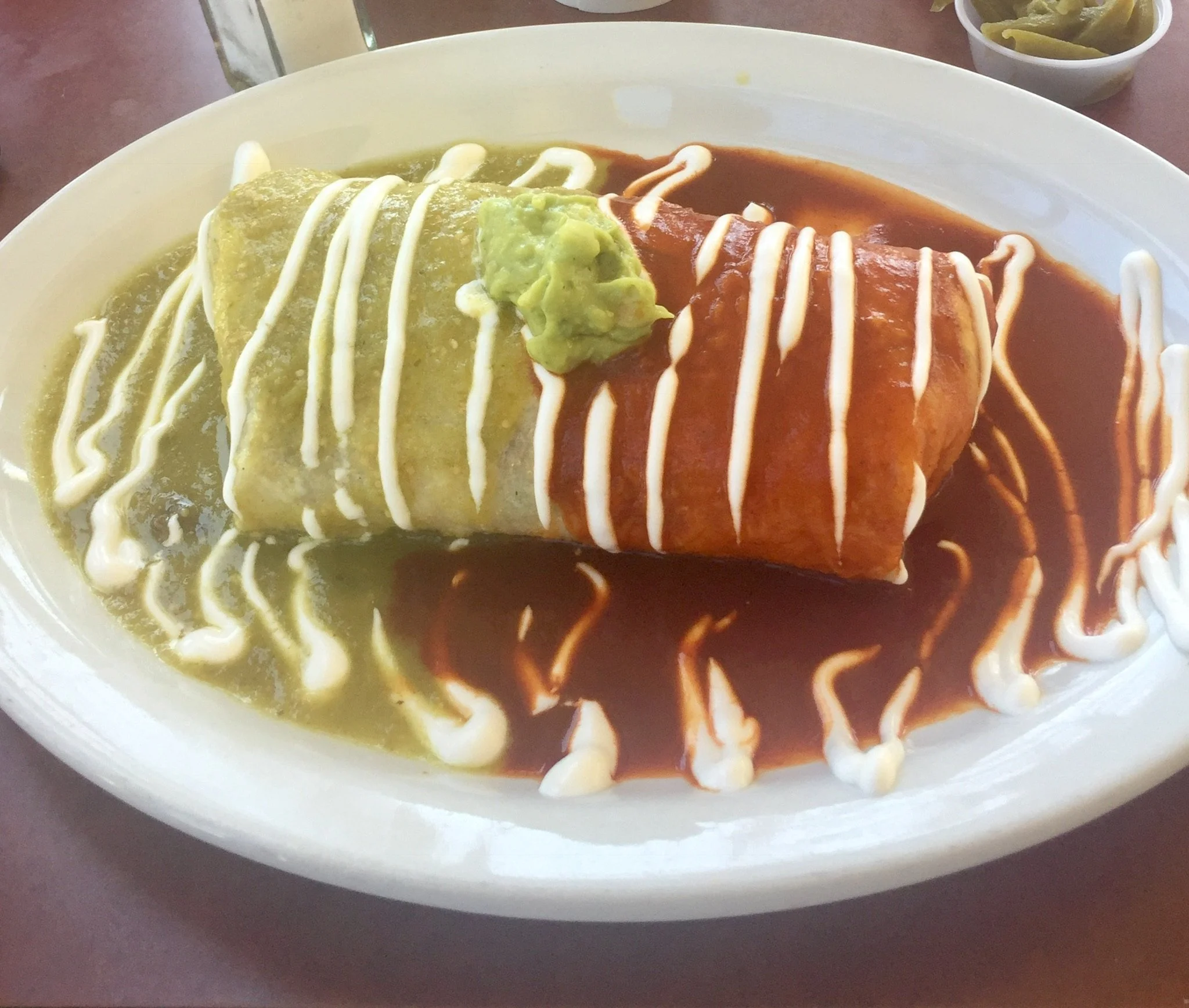
Chile most often seasons Tex-Mex food, of course, but New Mexico complicates even that. Ordering enchiladas, chimichangas, or chile rellenos, diners are asked the state question — “red or green?” Either color of salsa can smother your plate, or you can choose both, a combination called “Christmas.”
Not satisfied with spicing cuisine, New Mexican chiles also decorate. Many a local home and store feature “ristras,” those lovely, dried, blood red chile pods strung up and hung like curtains.
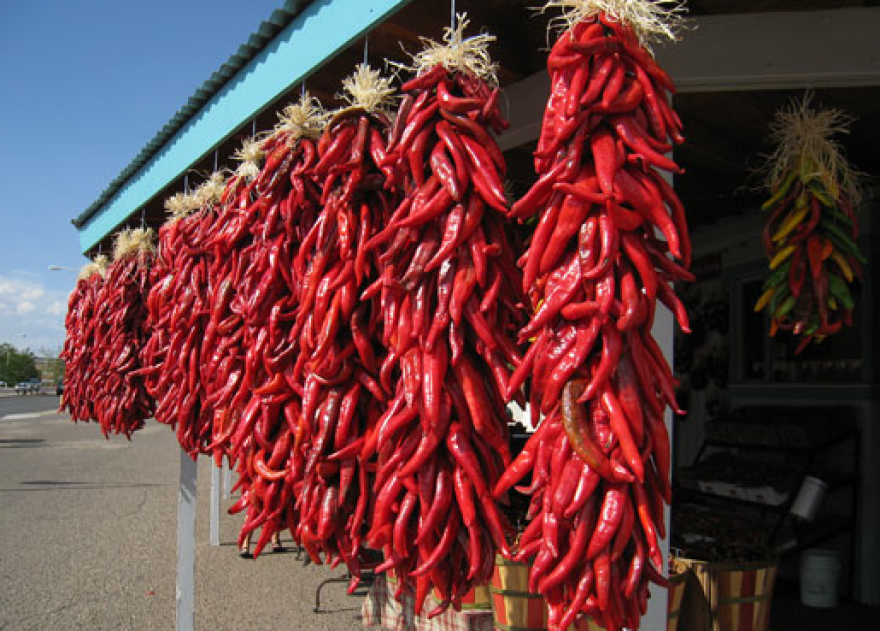
Surrounded by ristras at Ristramnn, his roadside store in old Mesilla where Billy the Kid once roamed, Chris Alexander can talk about chile for hours. Alexander’s family has been in this valley since before the border moved south. He explains the cultivation, the drying, the harvest, then shows us how to estimate the heat of any chile pod just by looking at the tip. Three points — mild. One point — hot. A curved tip — beware.
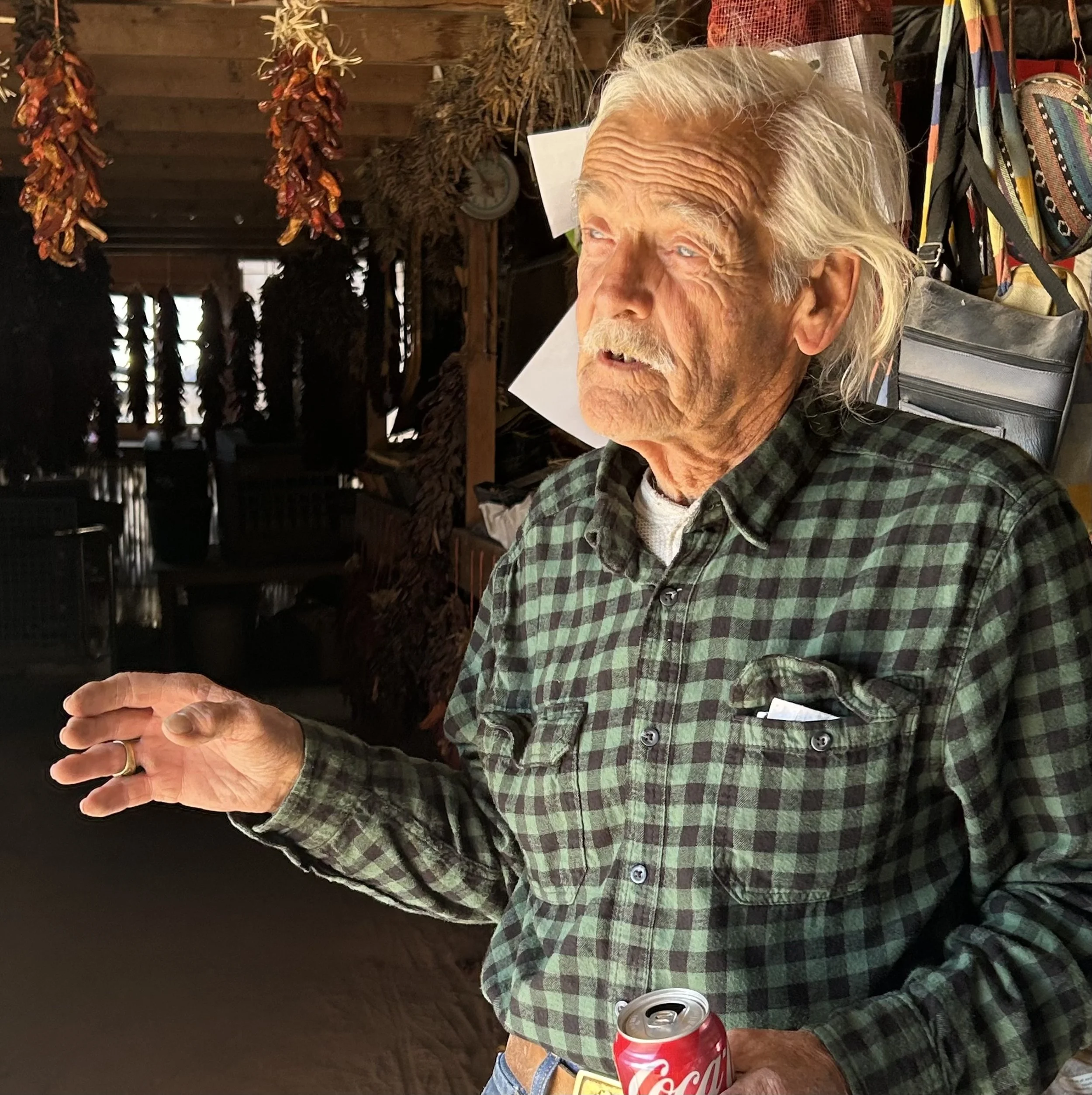
The bulk of New Mexico’s chile crop is picked in time for Christmas holiday sales, Alexander said, but “we like to have ours dried on the vine, so we don’t pick until January.” Alexander’s Ristramnn is a walk-through chile cornucopia, with whole bags of dried chiles and shelves of powdered ancho, chipotle, “Hot Green Chile,” and more. Just don’t mention Hatch in these parts.
Forty miles north of Las Cruces, Hatch (pop 1,539) may call itself the “Chile Capital of the World,” but Alexander prefers the chiles grown farther south. Different soil, he says, produces different flavors, even from the same seed. In Hatch, however, tastes vary.

“If you can’t stand the heat,” his T-shirt reads, “stay outta Hatch.” Standing in downtown Hatch, he tells us about the annual Hatch Chile Festival which, each Labor Day weekend, brings 30,000 people to this tiny town. Naturally, Hatch Chile is the best, he says. And if we pasty-faced New Englanders can take the heat, we can find whole bags of chile, jars of jam, salsa, hot sauce, candy, and yes, chile wine, all over town.
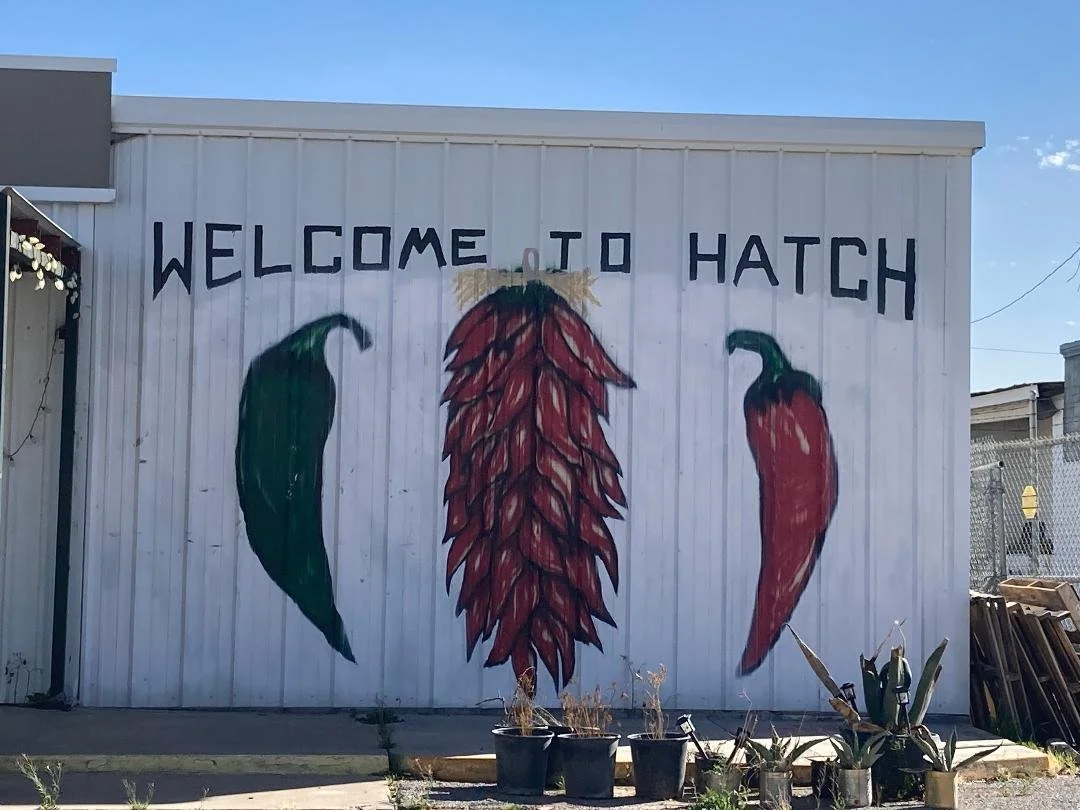
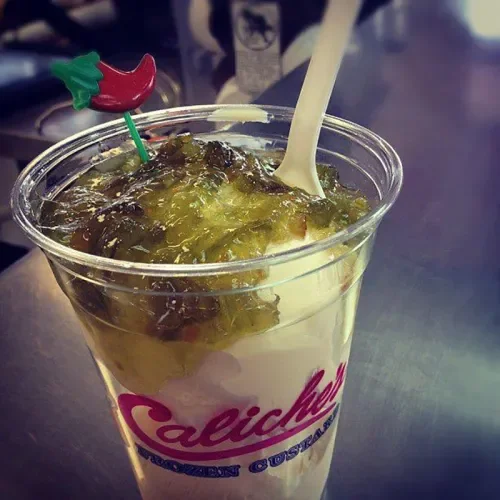
Tears forming, lips burning, it’s time to get outta Hatch and, alas, New Mexico itself. We have our bags of chile powder from Ristramnn, our chile earrings and chile pistachio brittle from the Chile Pepper Institute, and memories of a Green Chile Sundae served cold and spicy at Caliche’s Frozen Custard stand in Las Cruces.
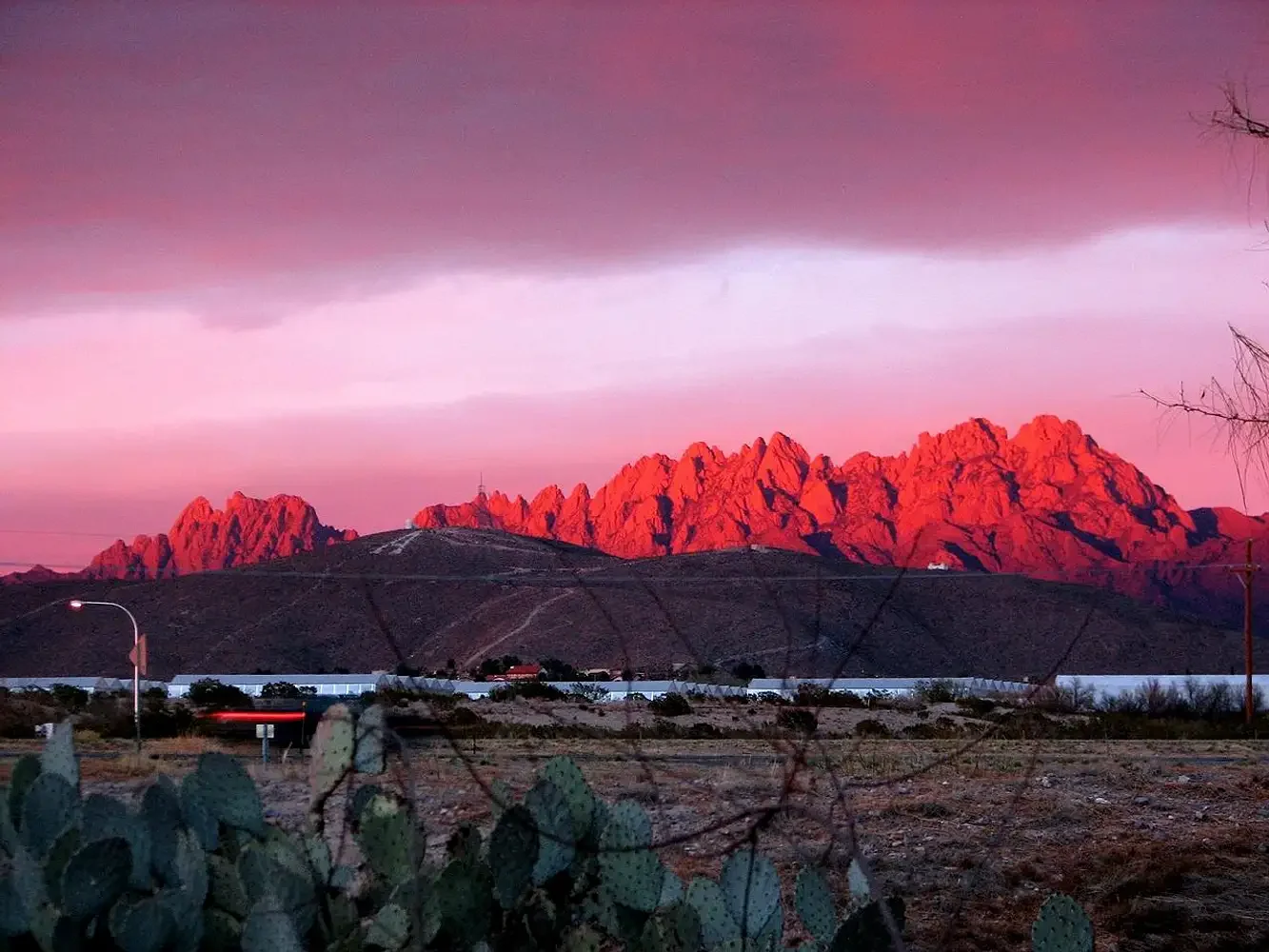
Having become chile-heads, we could tell you all about capsaicin, the toxin in each chile whose quantity determines its heat. And the Scoville scale whose numbers rank chiles from mild to smoking to four alarm fire. But as a ristra red sun sets over the Land of Enchantment, the final word belongs to the explorer who first brought chile back from the Caribbean to the “New World.”
“The land was found to produce much ají, which is the pepper of the inhabitants,” Christopher Columbus wrote, “They deem it very wholesome and eat nothing without it.”