MOAB, UTAH — SUMMER 1956 — The tourist from Cleveland is talking with the park ranger who lives in that tiny trailer up on the ridge.
“This would be a good country if only you had some water. If you had more water, more people could live here.”
“Yes sir,” the ranger replies. “And then where would people go when they wanted to see something besides people?”
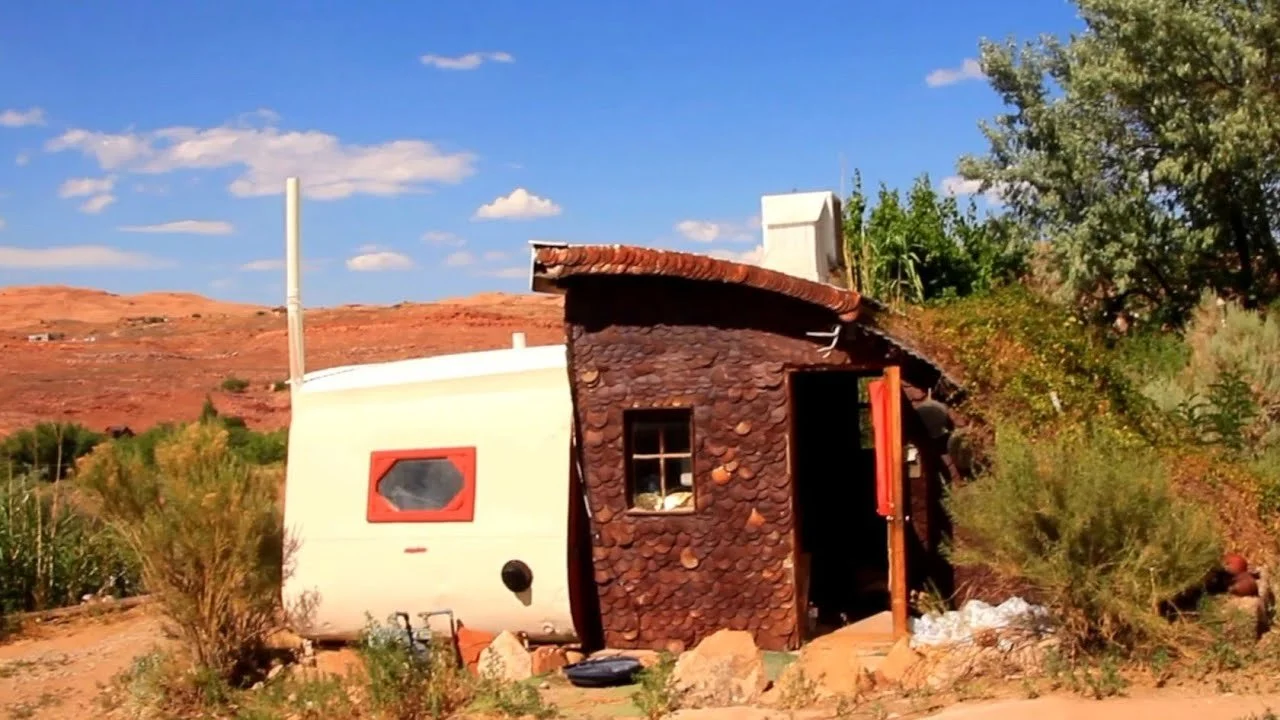
Wearied by another encounter with “industrial tourism,” the ranger returns to sweet solitude. A campfire, some whiskey, and his trailer’s view of the vast canyonlands and spangled sky. After savoring it all, he pulls out a journal and jots a few notes.
“Men come and go, cities rise and fall, whole civilizations appear and disappear — the earth remains, slightly modified. The earth remains, and the heartbreaking beauty where there are no hearts to break. . . I sometimes choose to think, no doubt perversely, that man is a dream, thought an illusion, and only rock is real. Rock and sun.”
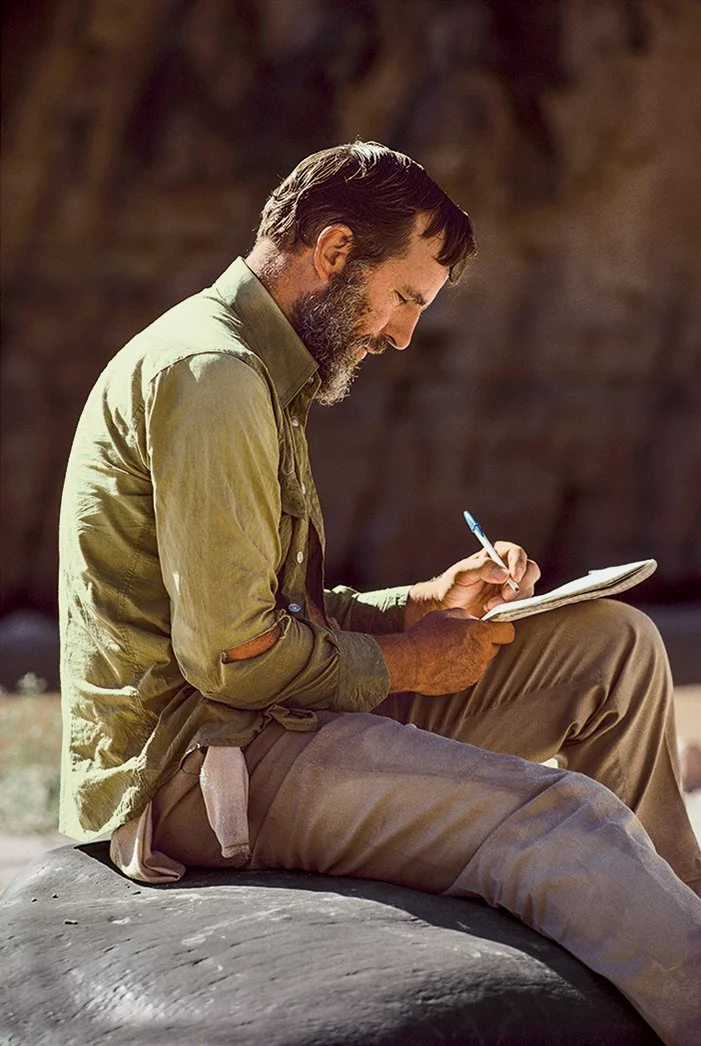
America’s hermits are a proud breed. Thoreau, May Sarton, John Muir and others, they hole up at ponds, beaches, mountains. But one legendary loner took solitude a step further, eschewing not just humanity but greenery, water, and what passes for progress.
“Most of my wandering in the desert I've done alone,” Edward Abbey wrote, “not so much from choice as from necessity — I generally prefer to go into places where no one else wants to go.”
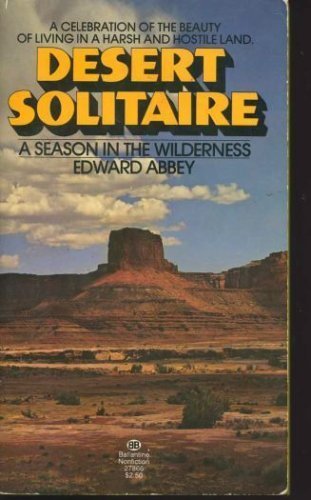
Determined recluse, defiant critic, Edward Abbey seemed carved from the canyons he loved. In the decades after Desert Solitaire brought him comparisons with Thoreau, Abbey continued to seek solitude while penning novels that turned environmentalism into a crusade. Until his death in 1989, he remained feisty and funny, traveling what came to be called “Abbey’s Road.”
— If wilderness is outlawed, only outlaws can save wilderness.
— Growth for the sake of growth is the ideology of the cancer cell.
Abbey was born in Pennsylvania, but right out of high school he hitchhiked and hopped freights throughout the Southwest and fell in love.
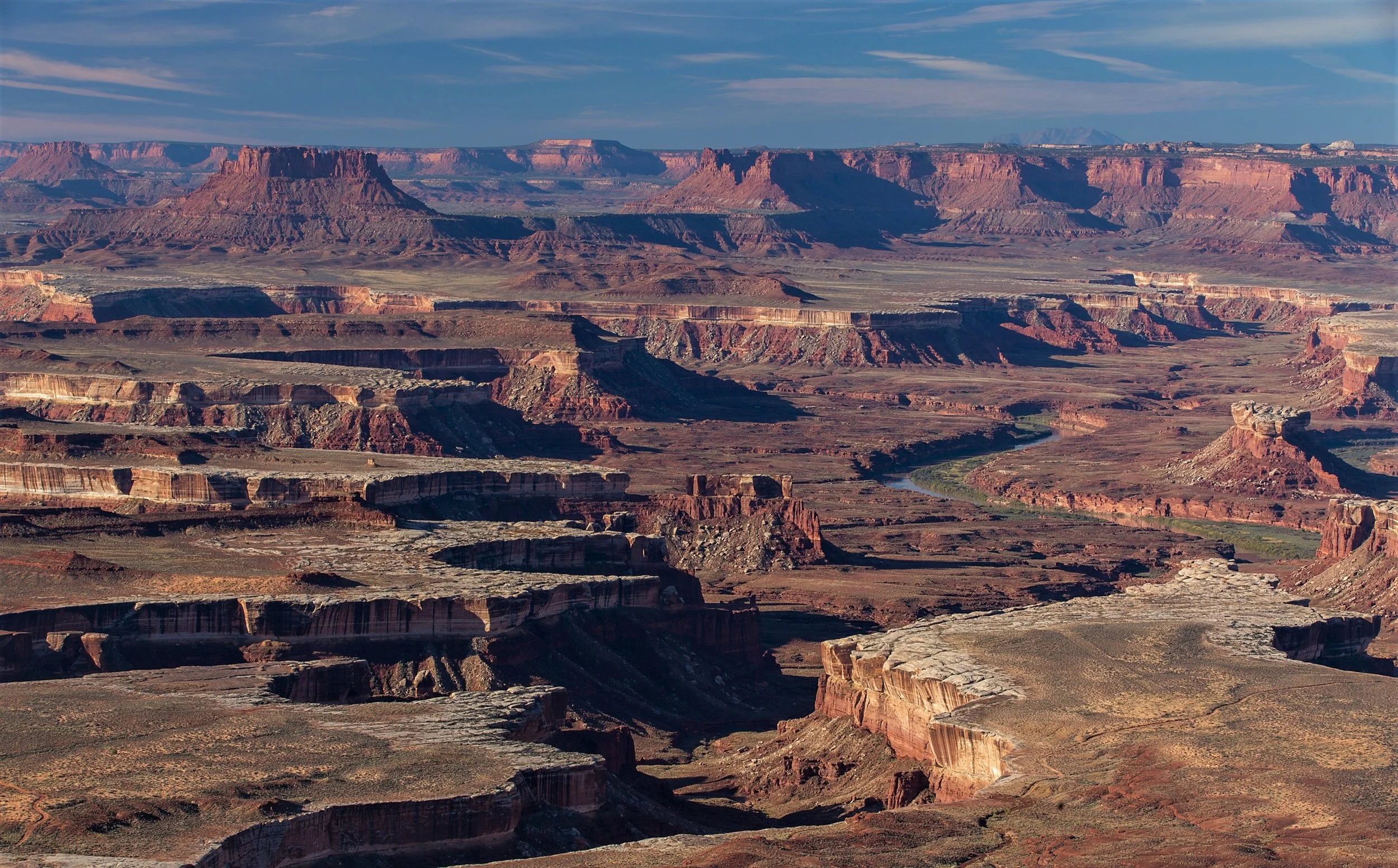
“Crags and pinnacles of naked rock, the dark cores of ancient volcanoes, a vast and silent emptiness smoldering with heat, color, and indecipherable significance, above which floated a small number of pure, clear, hard-edged clouds. For the first time, I felt I was getting close to the West of my deepest imaginings, the place where the tangible and the mythical became the same."
World War II blocked his road, but after studying literature and philosophy on the G.I. Bill, he wrote a novel about a Pennsylvania man yearning for the Southwest. Then he moved there, making the desert his own private Walden.
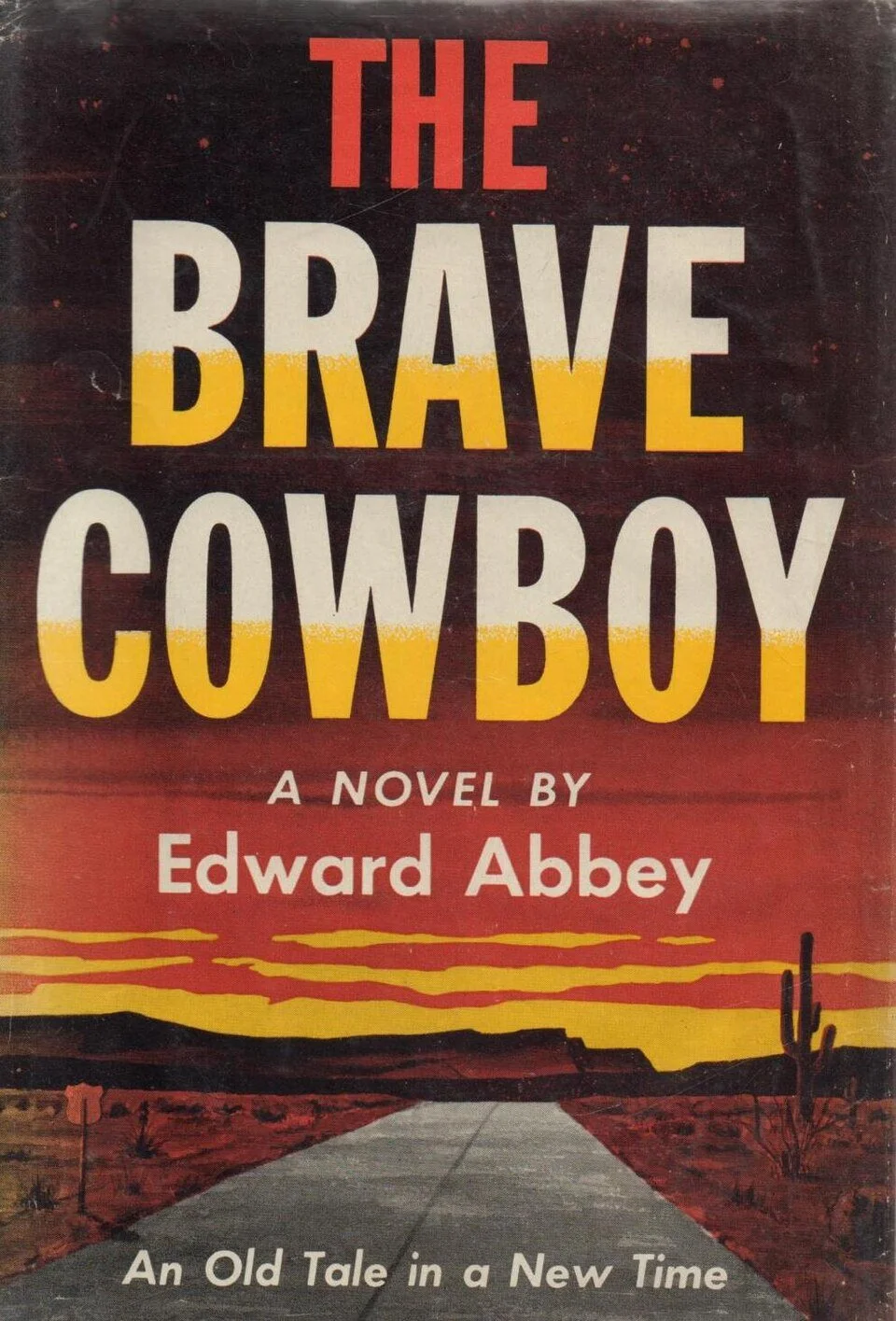
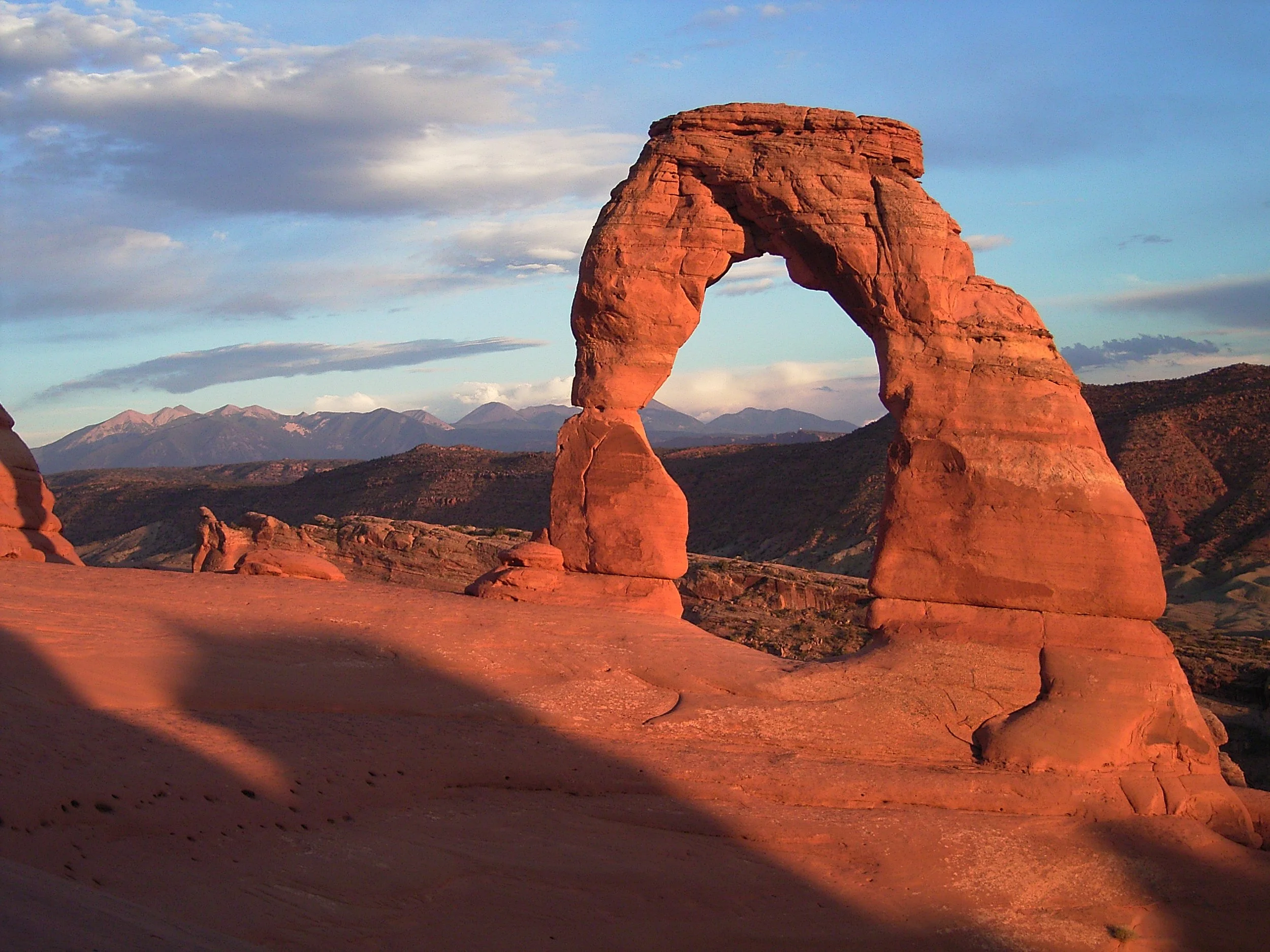
Other novels followed, including one made into “Lonely Are the Brave,” starring Kirk Douglas as a free range cowboy cutting every barbed wire fence he finds. After teaching and bartending, Abbey found his calling in the canyons. Two summers as a ranger in Arches National Monument honed a philosophy rooted in rock and rejecting all things industrial.
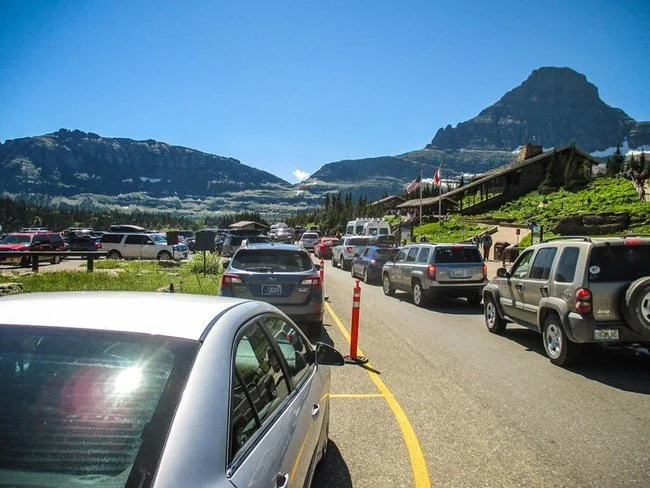
“No more cars in national parks. . . We have agreed not to drive our automobiles into cathedrals, concert halls, art museums, legislative assemblies, private bedrooms and the other sanctums of our culture; we should treat our national parks with the same deference, for they, too, are holy places.”
Published in 1968, Desert Solitaire, filled with solo hikes and starry nights, fit the burgeoning environmental movement like arms wrapping around a tree. The book made Abbey an icon, yet he continued to flee his new home in Tucson’s Sabino Canyon — and the latest of his five marriages — to spend entire seasons alone on Grand Canyon’s North Rim.
“If industrial man continues to multiply his numbers and expand his operations he will succeed in his apparent intention, to seal himself off from the natural and isolate himself within a synthetic prison of his own making.”
Industrial man did not listen, so Abbey notched up his rhetoric. “I write in a deliberately provocative and outrageous manner because I like to startle people. . . I would rather risk making people angry than putting them to sleep.“
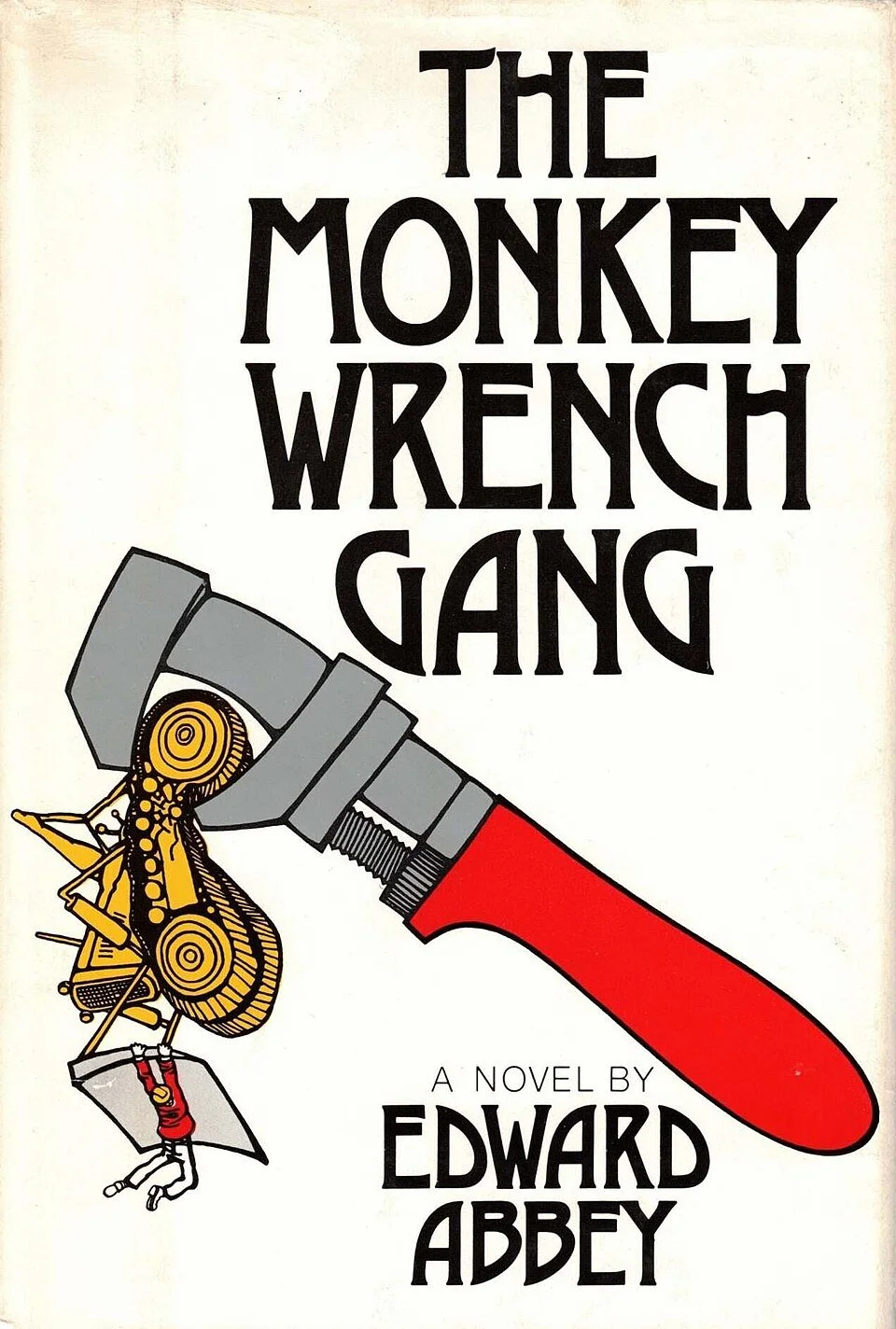
Abbey’s 1975 novel, The Monkey Wrench Gang, awoke a generation of eco-warriors. Drawn by the idealism of the gang’s eco-sabotage, several Abbey fans formed “Earth First!” and began “monkey wrenching.”
Spiked trees to stop loggers. Greenpeace’s defiant challenge to whalers. Monkey wrenching only added to the file the FBI had kept on Abbey since he mailed back his army discharge papers marked “Return to Sender.” Abbey never joined Earth First! but spoke at their conferences. Having studied anarchism, he insisted that monkey wrenching should never harm human life, and should be “a last resort if other means of resistance failed.”
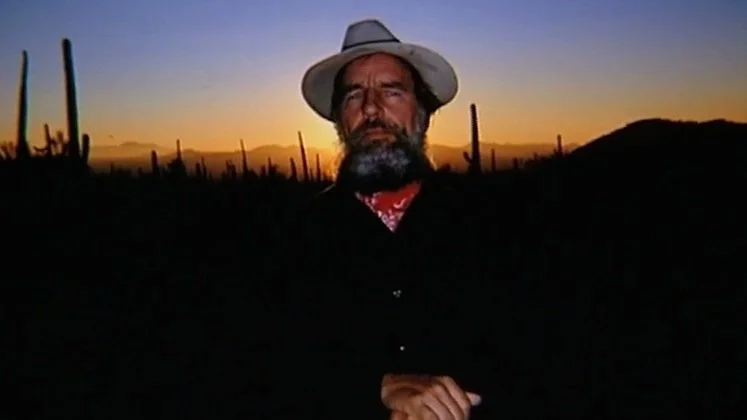
In his mid-fifties Abbey settled down in Tucson, but he did not settle for civilization and never would. When he died at age 62, his last act of defiance was his funeral.
“No comment,” he said when asked for final words. Then, following hls wishes, friends wrapped Abbey’s body in his blue sleeping bag, packed it in dry ice, and loaded into a Chevy pickup. They stopped at a liquor store, then drove into the desert. After searching all day, they found a long and rocky road and started digging.
Burying Abbey, they toasted him with beer and whiskey and, as he had requested, “lots of singing, dancing, talking, hollering, laughing, and lovemaking.
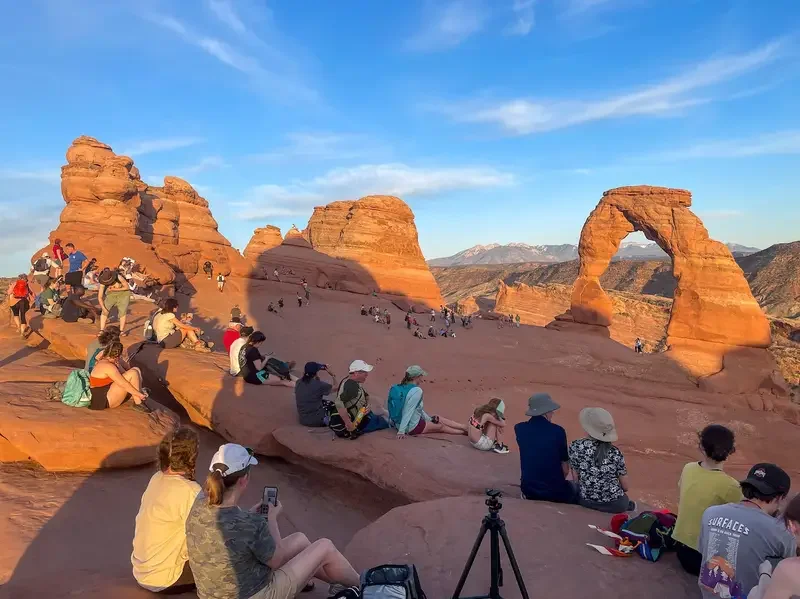
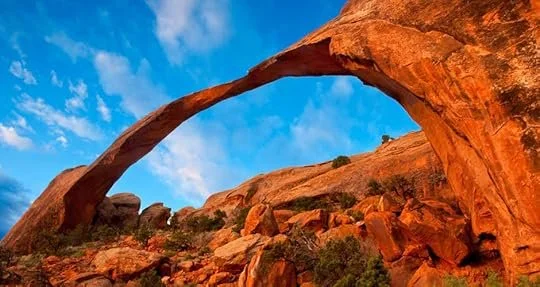
Back in Abbey’s day, Arches National Monument was just a remote maze of dazzling cliffs and dirt roads, far from the tourist trail. It is now a national park drawing 1.5 million visitors a year. You can’t say he didn’t warn us.
Edward Abbey’s words and spirit live on, yet he never asked for the honor. From Desert Solitaire: “If my decomposing carcass helps nourish the roots of a juniper tree or the wings of a vulture — that is immortality enough for me. And as much as anyone deserves.”