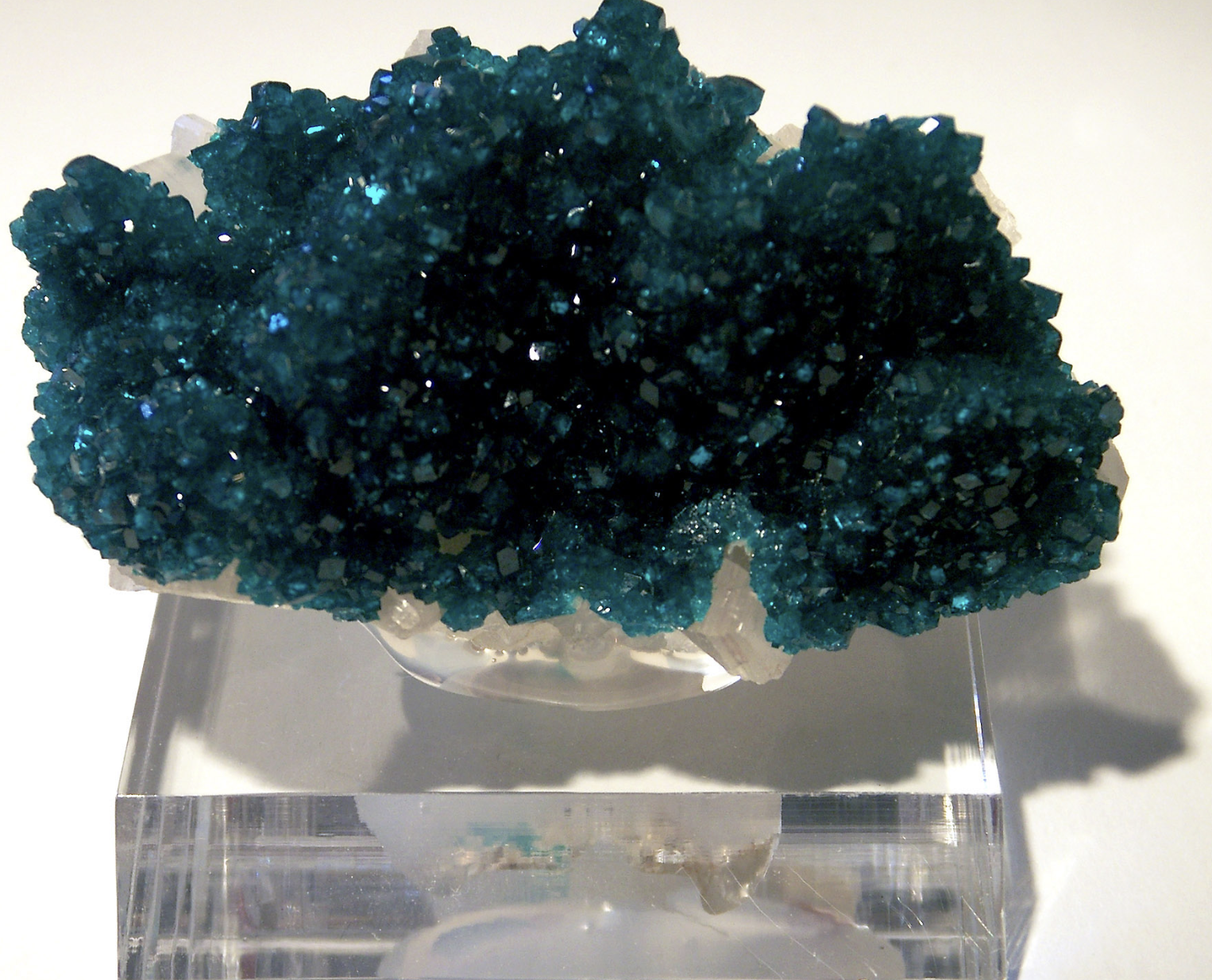
TUCSON'S GEM OF A SHOW
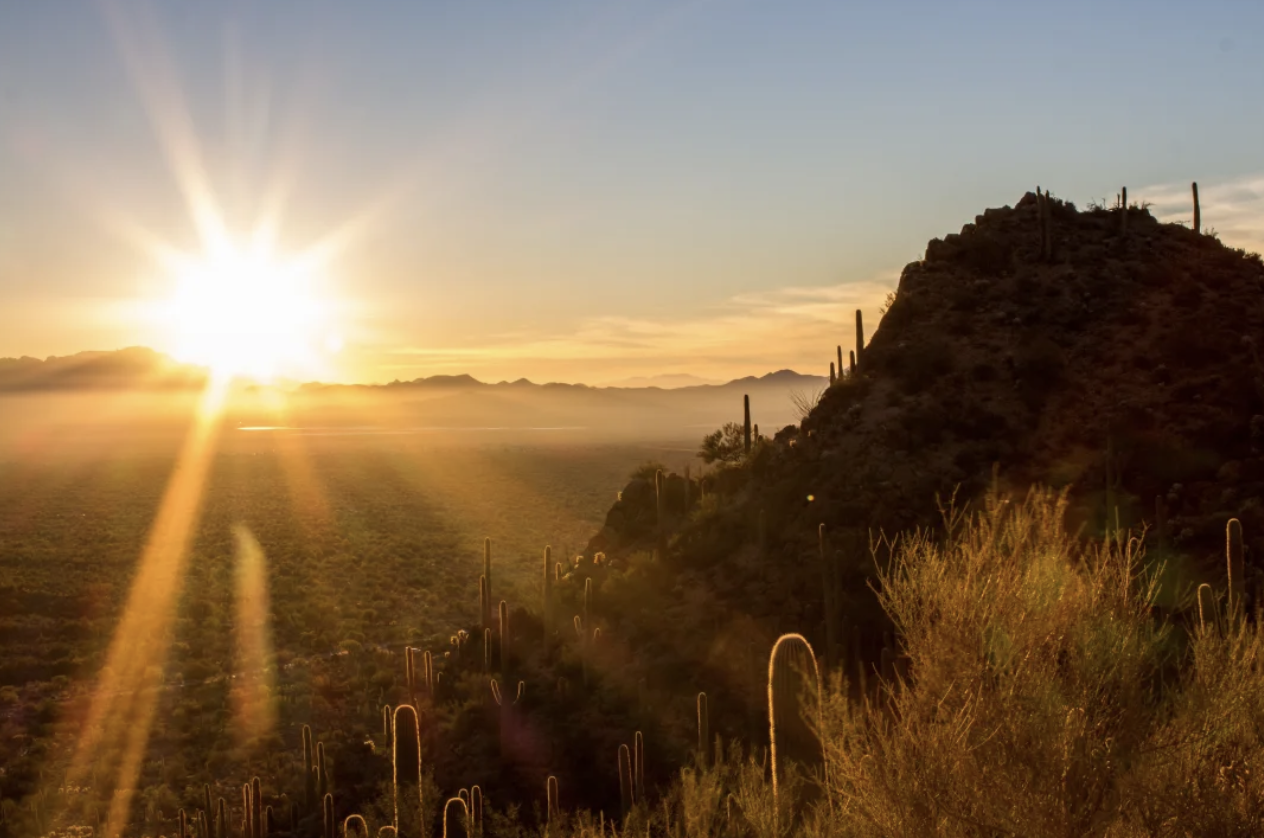
TUCSON, AZ — Another January — Each winter, the Snowbirds come to Tucson. Migrating from northern climes where keesters are frozen solid, the Snowbirds flock to this desert basin filled with cactus and strip malls and winter temperatures in the 70s.
You can almost hear collective sighs of relief. Warmth! Thawed toes! What’s that bright ball in the sky?
And then the rocks arrive.
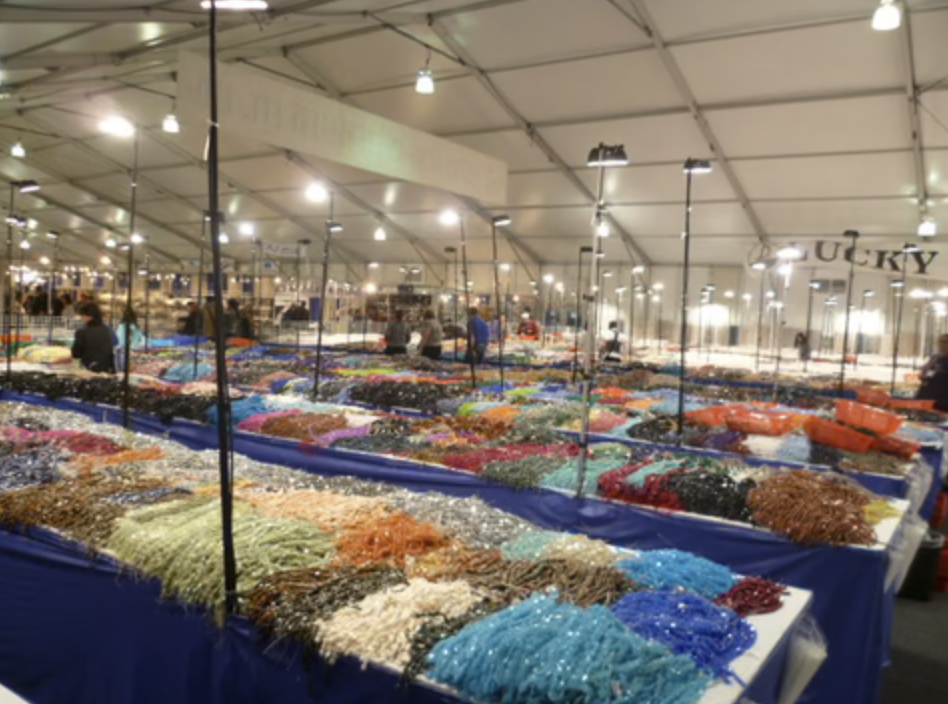
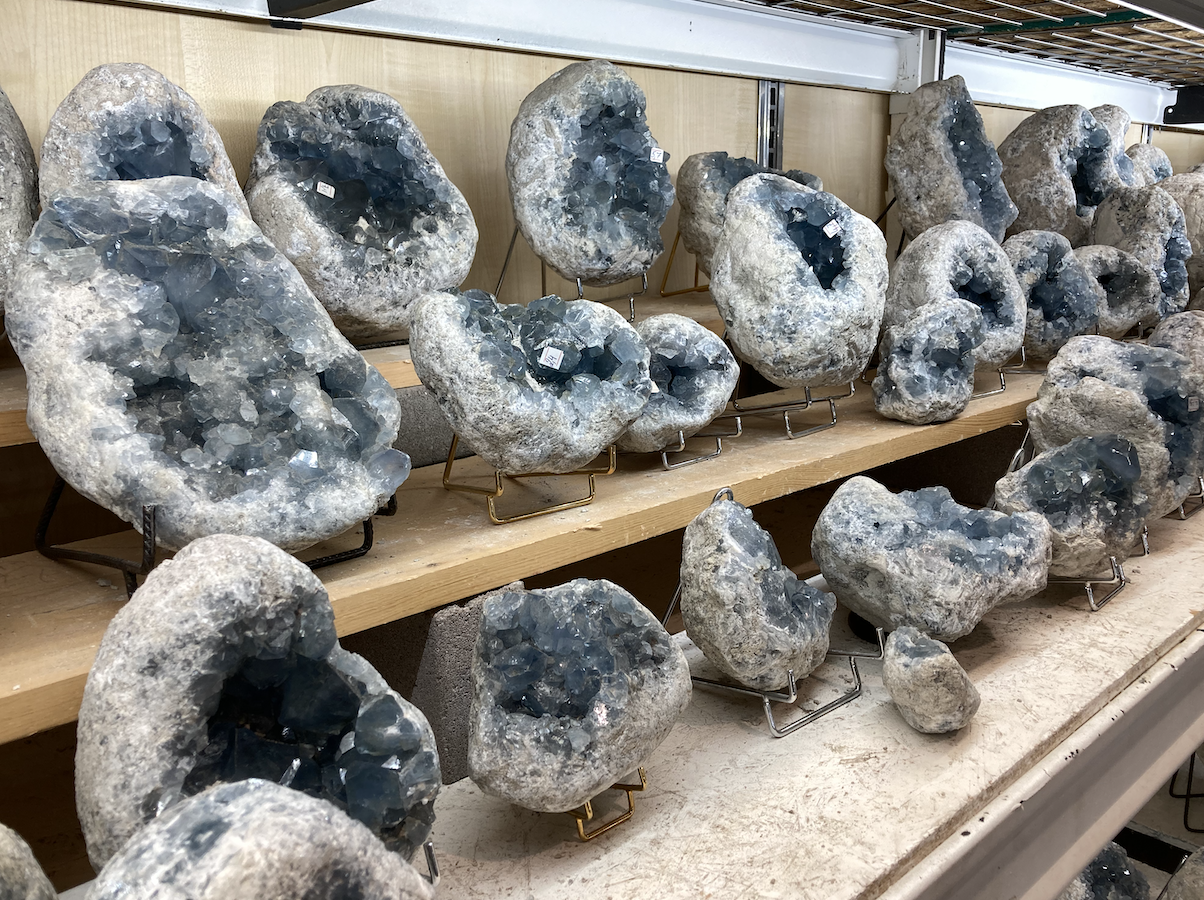
Whole boxes of diamonds and rubies. Crates of rough boulders striped in turquoise and gray. Polished stones — green, blue, and black — shaped into pyramids, obelisks, hearts. . . And geodes, not the small, magical rocks you cracked open as a kid but towers as tall as a table, sliced open to reveal sparkling purples and deep ambers. Wonders all, and all for sale, all over the city.
Gem shows pop up in several states, but the annual Tucson Gem and Mineral Show is “the world’s largest treasure hunt.”
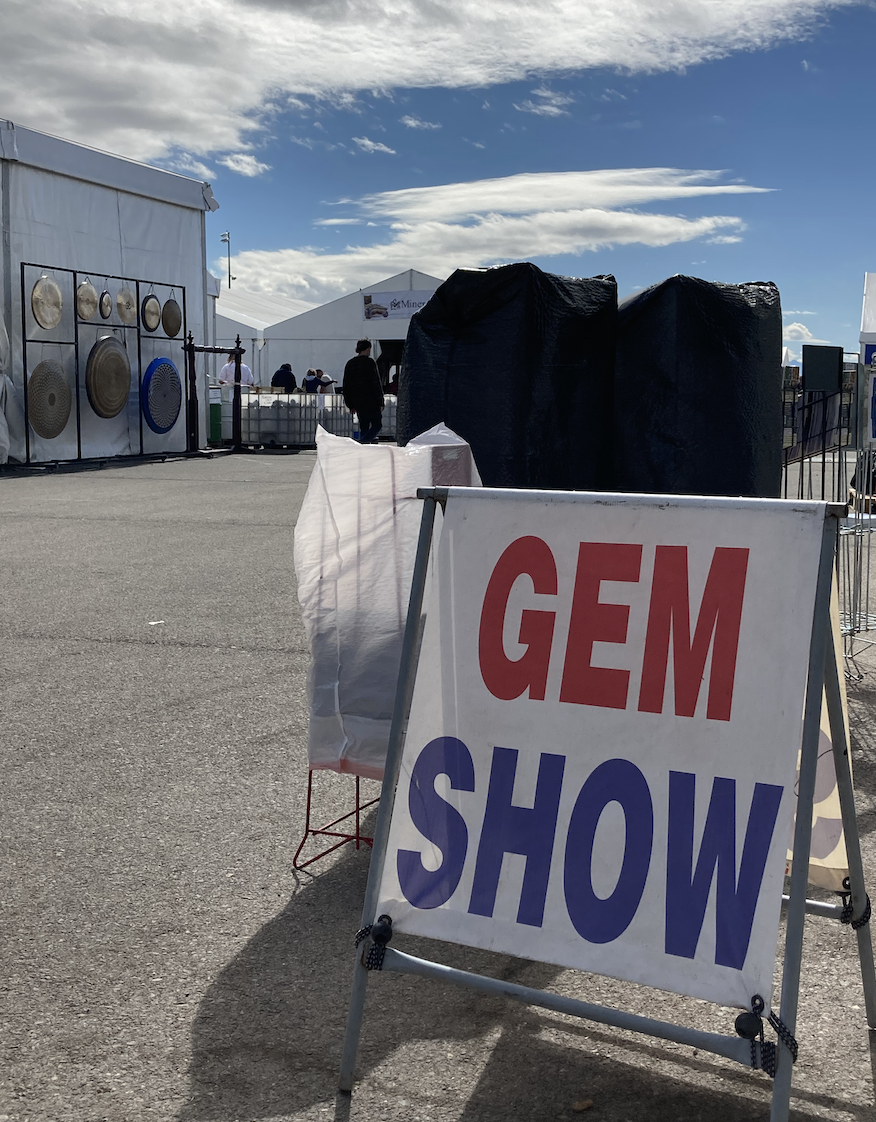
This winter, 6,700 vendors spread their treasures across hotel parking lots, in makeshift tent pavilions, and throughout the giant Tucson Convention Center. More than 100,000 jewelers and mineral merchants came to supply their trade while a half million shoppers browsed, gawked, and wondered.
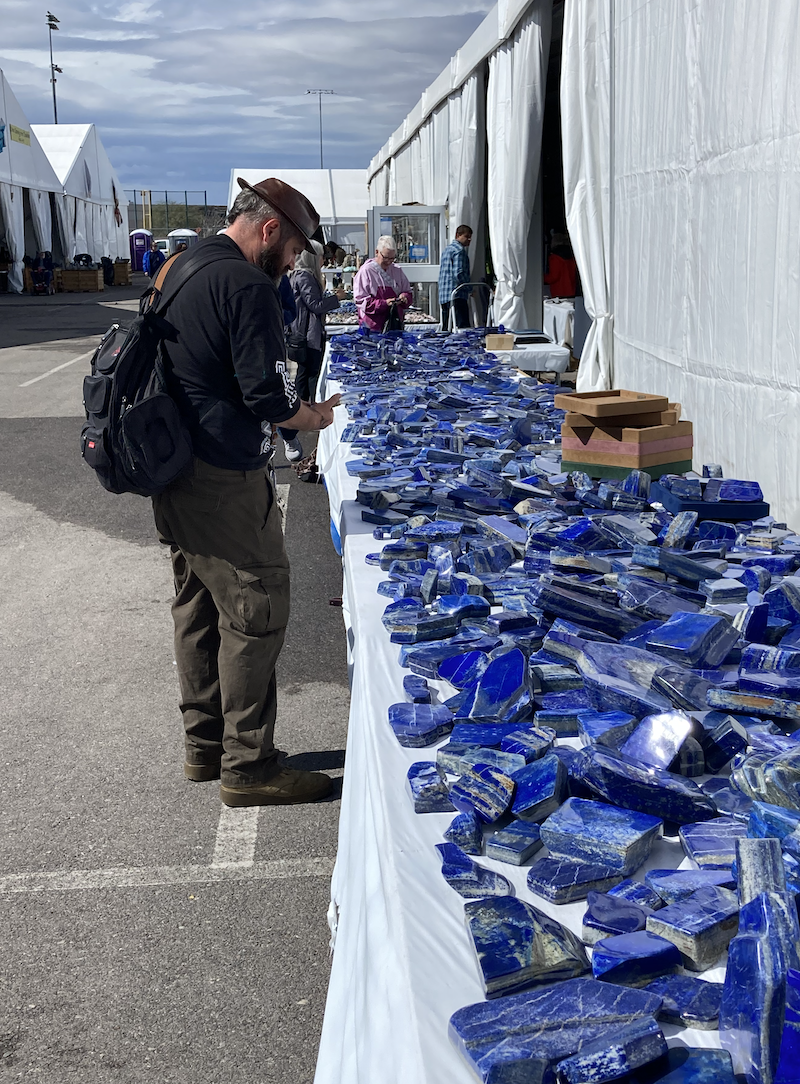
How would that two-foot obelisk look by the fireplace?
Where could I put a geode taller than my kid?
How does our precious planet produce such astonishing shapes and colors, and how does anyone find them, let alone ship them all the way to Tucson?
Deserts have always been mineral markets. A good percentage of rocks whose names end in “ite” are found in desert mines. Arizona, with sixty active mines churning out copper, gold, silver and more, is a natural supply line for minerals, but when did the whole world begin showing up in Tucson?
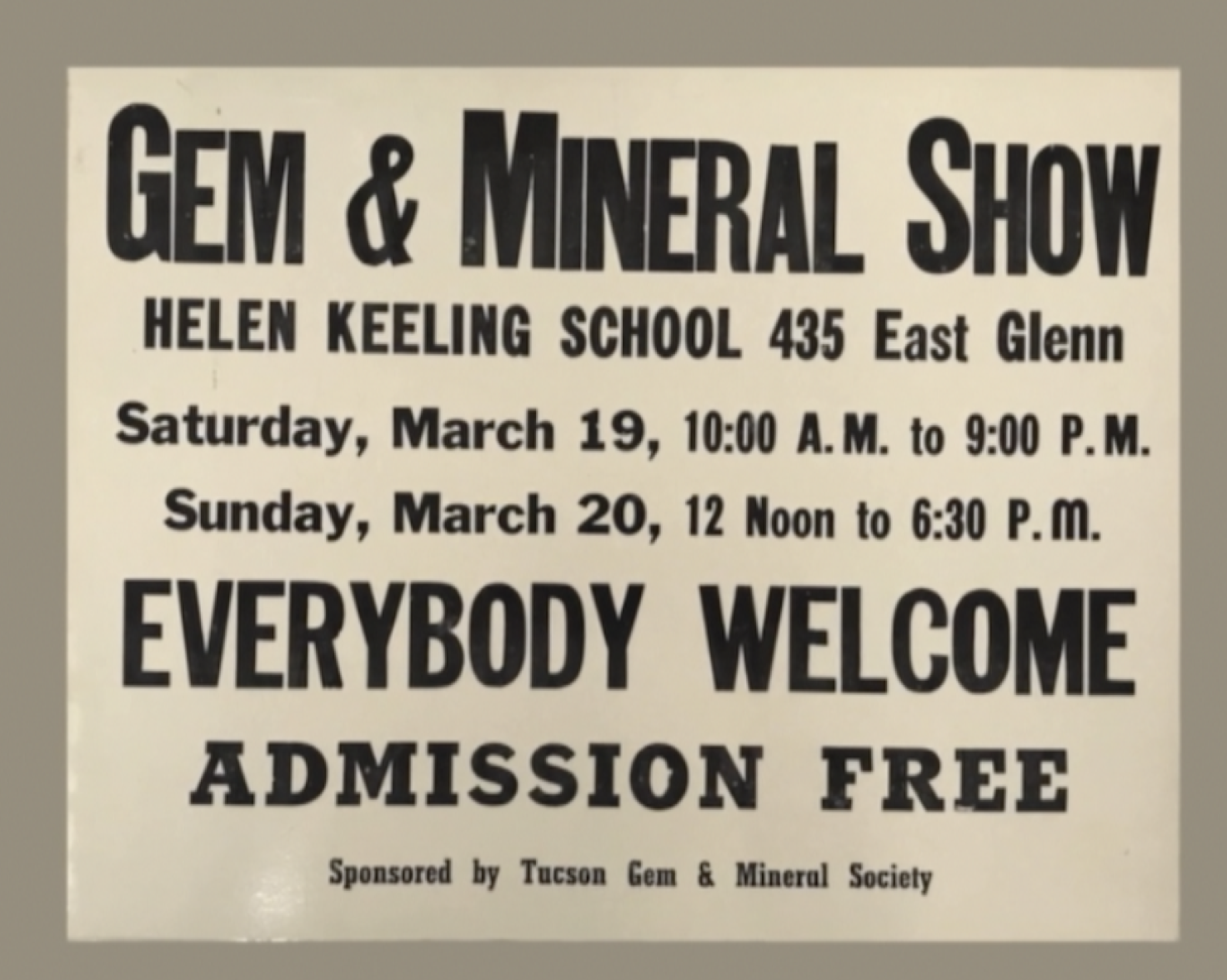
The gem and mineral show began in 1955 when 15 local vendors gathered in an elementary school. Some 1500 rock hounds came and spread the word. Within a few years, the annual show filled a Quonset hut at the Tucson Fairgrounds, and in the 1970s, the rock hounds took over the Tucson Community Center. Then in the 1990s, the market spread across the city, expanding beyond gems and minerals to include fossils, crystals, beads, jewelry. . .
Ron Inden, whose Hardrock USA is based near Dixon, Illinois, has been selling here for 39 years. Inden and his son Henry do shows from the Great Smokies to the Midwest, but Tuscon is the Mecca they would not miss. Their tent features a dozen tables, each stacked with bins overflowing with minerals. Purple jade. Butterscotch Opal. Tiffany Stone. And the trendiest mineral on the market, sky blue Larimar mined only in the Dominican Republic.
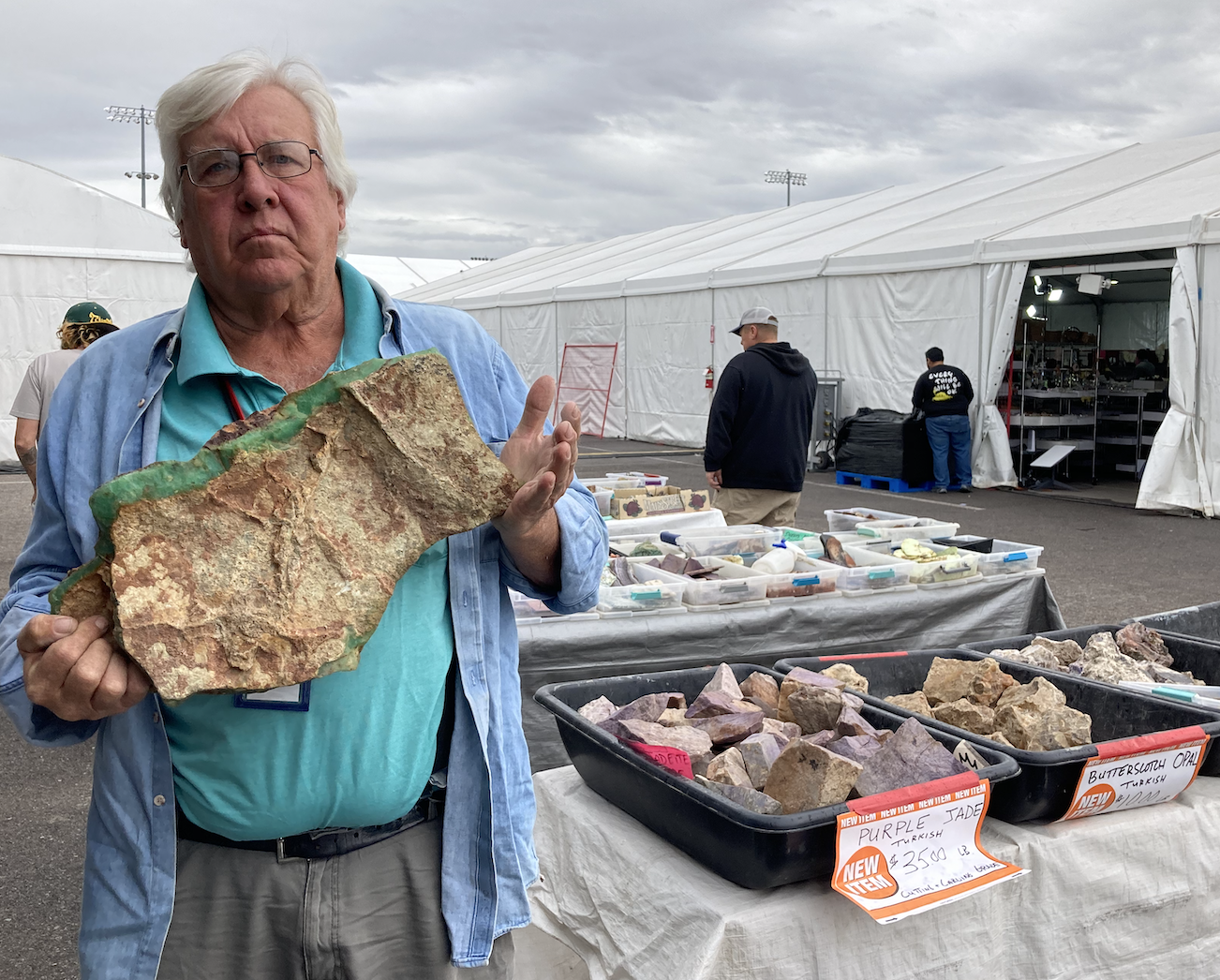
Okay, the gems are precious, the minerals magical, but why all this fuss over rocks? Ron Inden explained. “A basic geology class is kind of boring — sedimentary, metamorphic, all that. But with minerals, you have history in every item. You can work with your hands. The colors are amazing. Put those together and not many professions offer all that.”
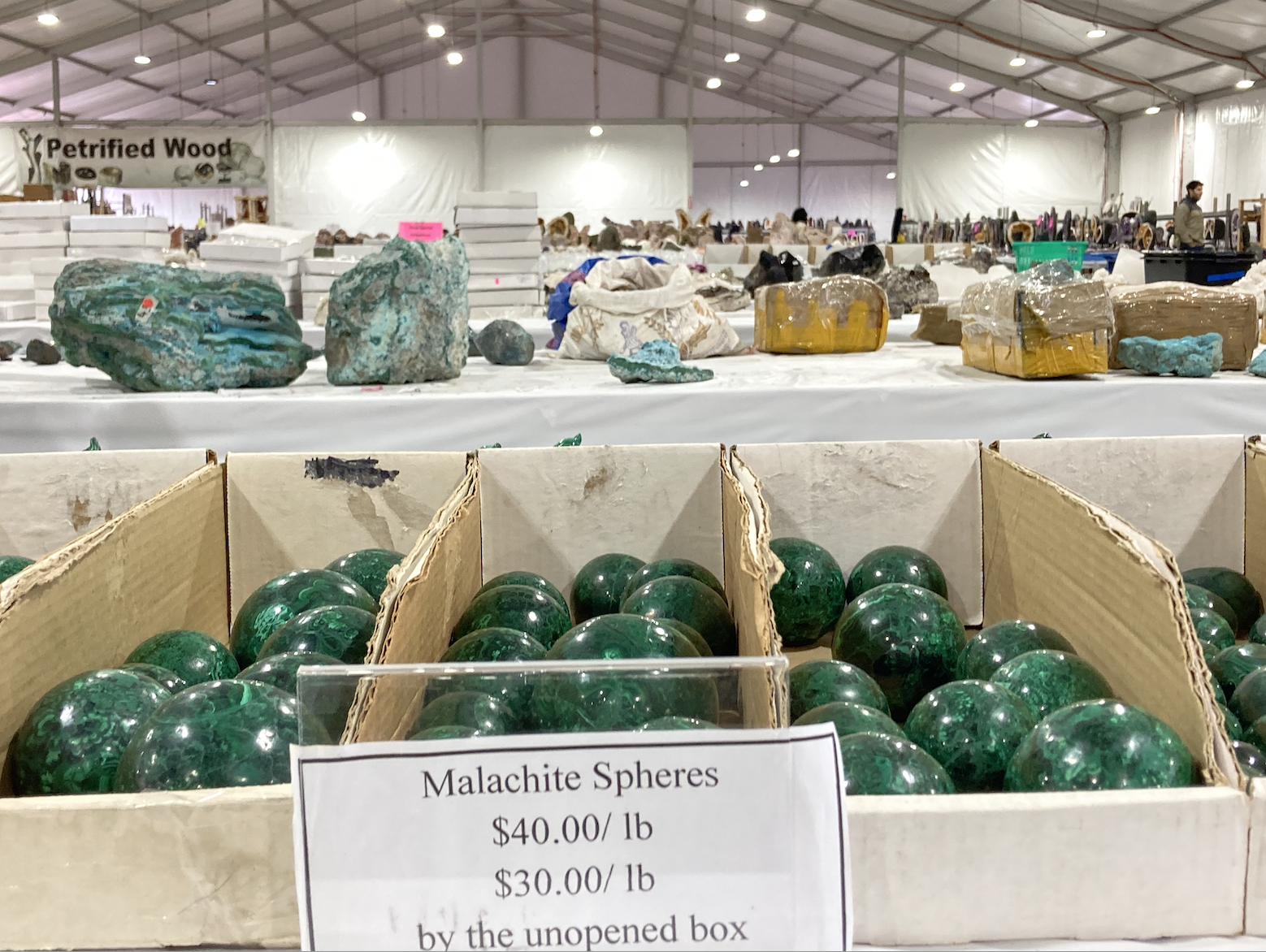
The appeal of a rare rock polished to a pure, perfect color that puts an ordinary stone to shame, is worldwide. Which is why, strolling from tent to tent, you overhear Arabic, Farsi, Spanish, French, Chinese, Tagalog. . .
Signs pitch American dealers — Buffalo Dancer, Lost Creek Mine, Gemshiner, Stone’s Throw — but many signs include countries of origin. Indonesia. Australia, Morocco.
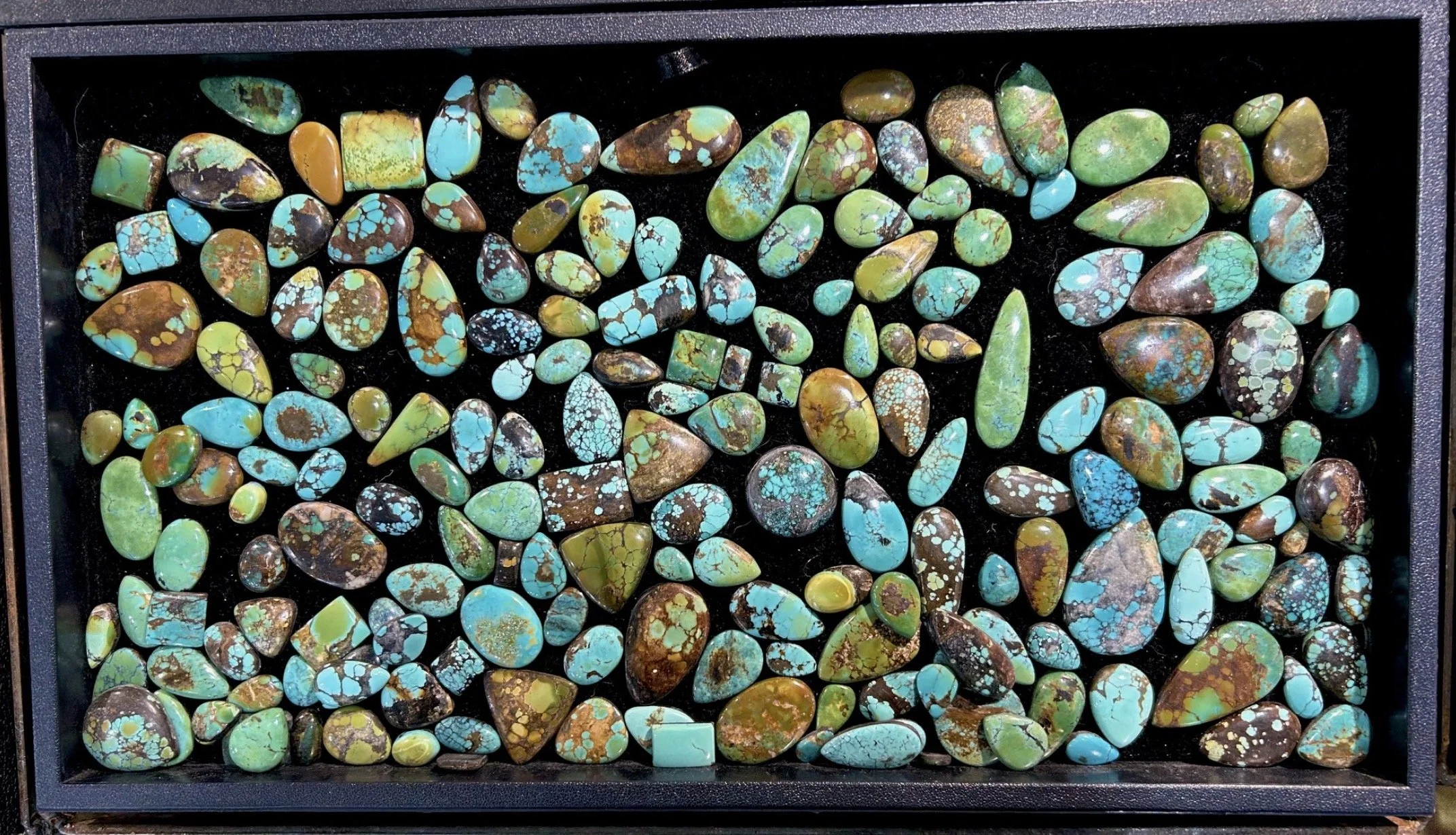
For this year’s show, Anas Thenaff shipped 37 tons of minerals from Casablanca to Tucson. His Casablanca Export Mineraux overflows with treasures, all mined in Morocco. What he doesn’t sell here, Thenaff will peddle at smaller shows, then store what’s left in a South Carolina warehouse. Next year, more tonnage.
If the vendors seem cosmopolitan, consider the stones. Just one corner outside one tent in one of 52 venues throughout Tucson hosts: fluoride from Namibia, rose quartz from Madagascar, azurite from Chile, zebra onyx from Mexico, palmroot from Indonesia, chrysocoll from China, purple sage from Wyoming. . .
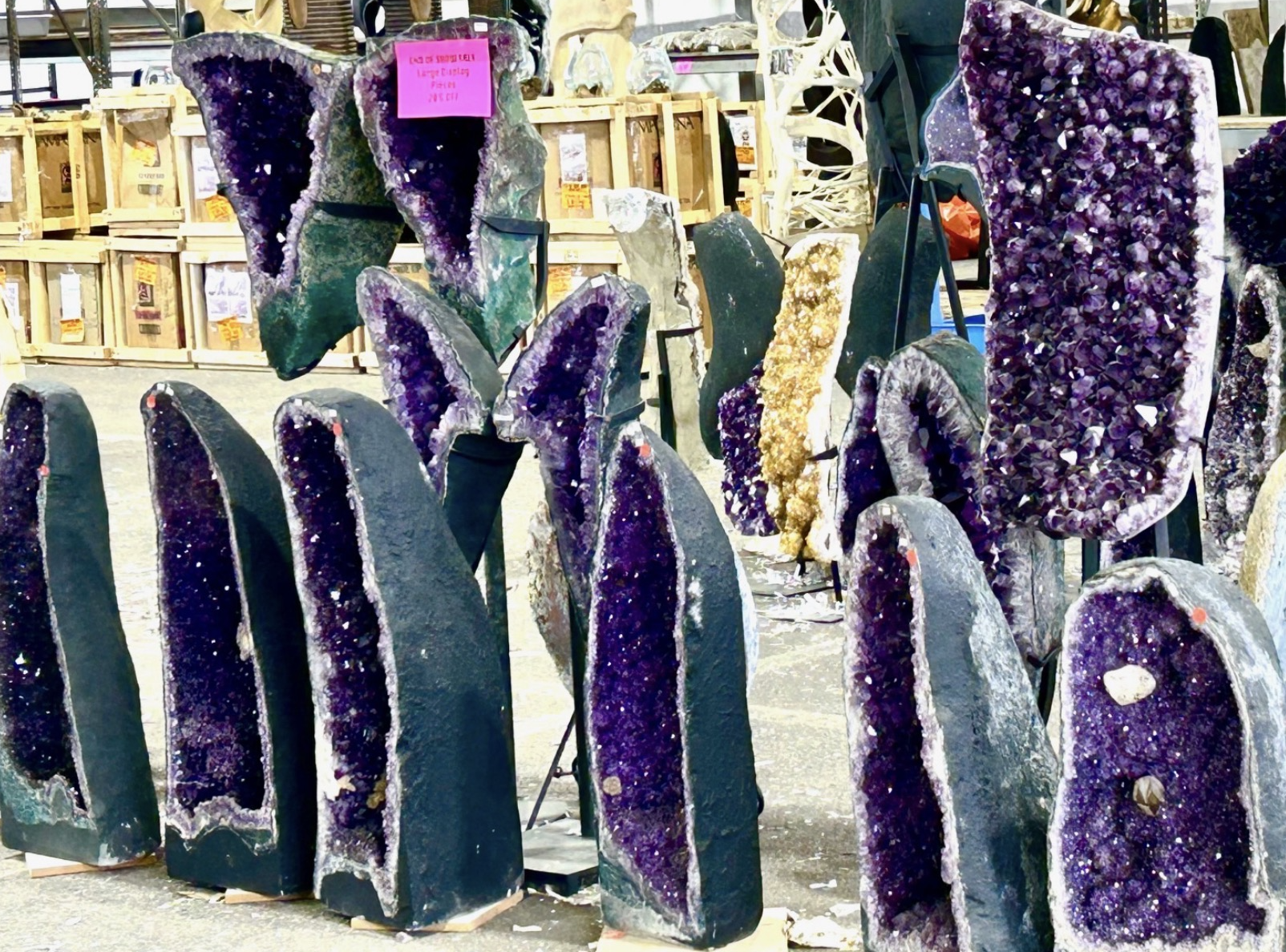
Anyone can admire, but there is a hierarchy here. At the top are major dealers whose geodes and gems sell in the mid-five figures. The richest collectors browse even costlier gems — by invitation only — in private hotel rooms. Then there are hordes of jewelers and lapidary artists who turn the colorful rocks they buy here into a decent living.
But Tucson also honors its roots as a homespun collectors klatsch. The main show at the convention center is the only venue charging admission ($15). Anyone can wander free into any other site, browse, touch, and buy a stunning mineral for the price of a Mexican dinner.
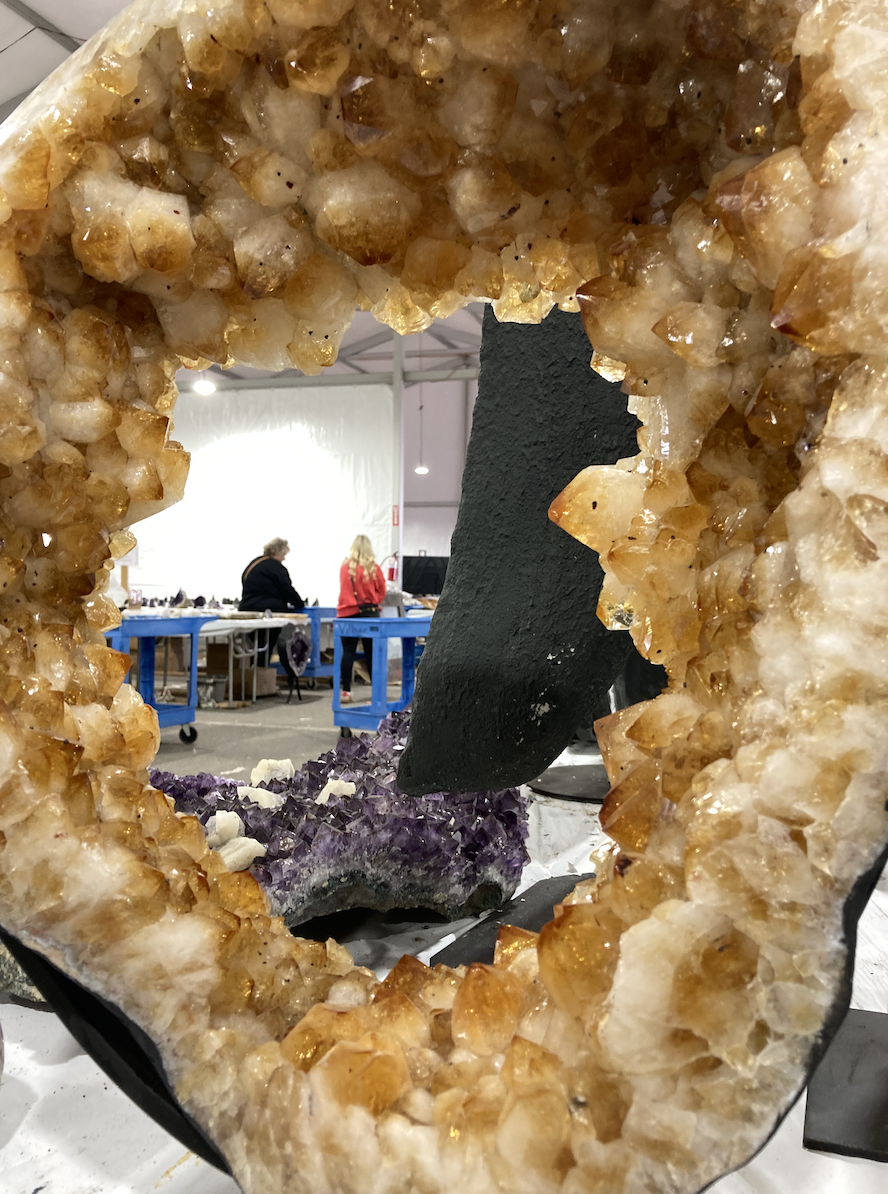
First you stand and gawk. Then you want to take home a few, or a few dozen. Then you want every one. This small slab of lapis lazuli, shlepped from Afghanistan, is the most gorgeous blue you’ve ever seen. But what would you do with a blue slab?
Finally you wonder at the wonders of the earth and wonder if there are any gems or minerals left underground. Or have they all been brought to Tucson?
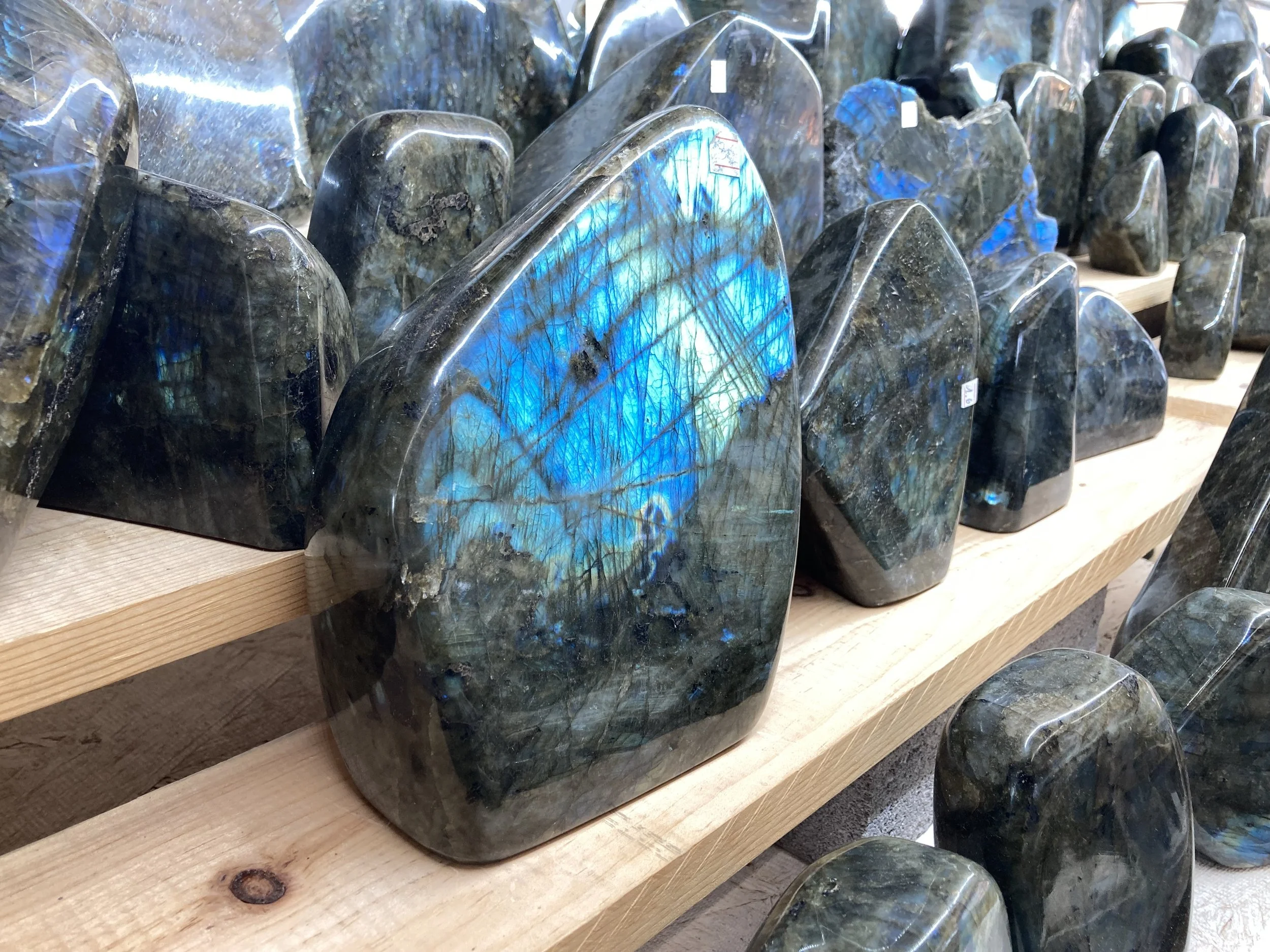
The Snowbirds will stay until spring, but the rocks are gone now. Like caravansary merchants in deserts of old, Buffalo Dancer and Lost Creek Mine and Ron Inden and Anas Thaneff have folded their tents and moved on. We shoppers are left with our purchases, in my case two chunks of Labradorite, rough and raw on one side, polished smooth on the other. Each seems flat and gray until it catches the light. Then it turns a startling blue, etched with black lines, like an icy winter sky seen through bare branches.
Tucson’s gem of a show can be numbing but there is a takeaway that transcends mere rocks. The world may seem random and reckless, but if you dive deep enough, look hard enough, then bring back what you find, life itself can be full of gems.