

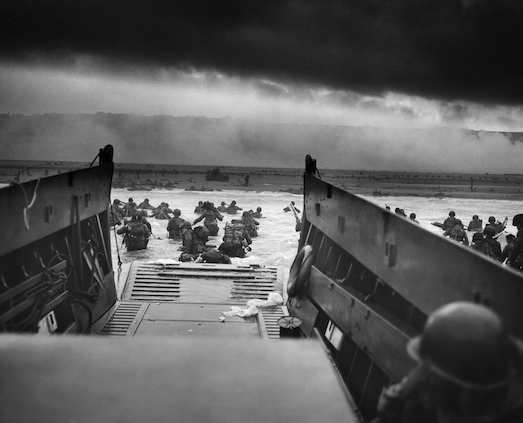
ENGLISH CHANNEL — JUNE 5, 1944 — With the largest invasion in history looming, the public clamors for news. Battle-seasoned correspondents compete for credentials. Who will hit the beach? Who will get the story? Who will die trying?
The BBC is embedded with Allied troops. Reuters, United Press and others have “men in the field.” Reporting for Collier’s — Ernest Hemingway! But one reporter sets off on her own.
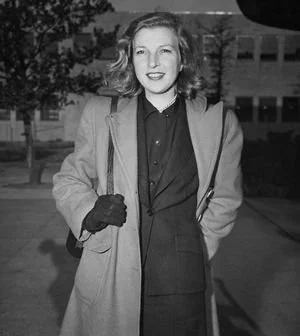
“I followed the war wherever I could reach it,” Martha Gellhorn recalled. “I had been sent to Europe to do my job, which was not to report the rear areas or the woman’s angle.”
“There was never another Martha Gellhorn,” one journalist noted. Tough, driven, and determined to show she could cover the carnage as well as any man, Gellhorn reported from throughout Europe and later from Vietnam, Central America, and the Middle East.
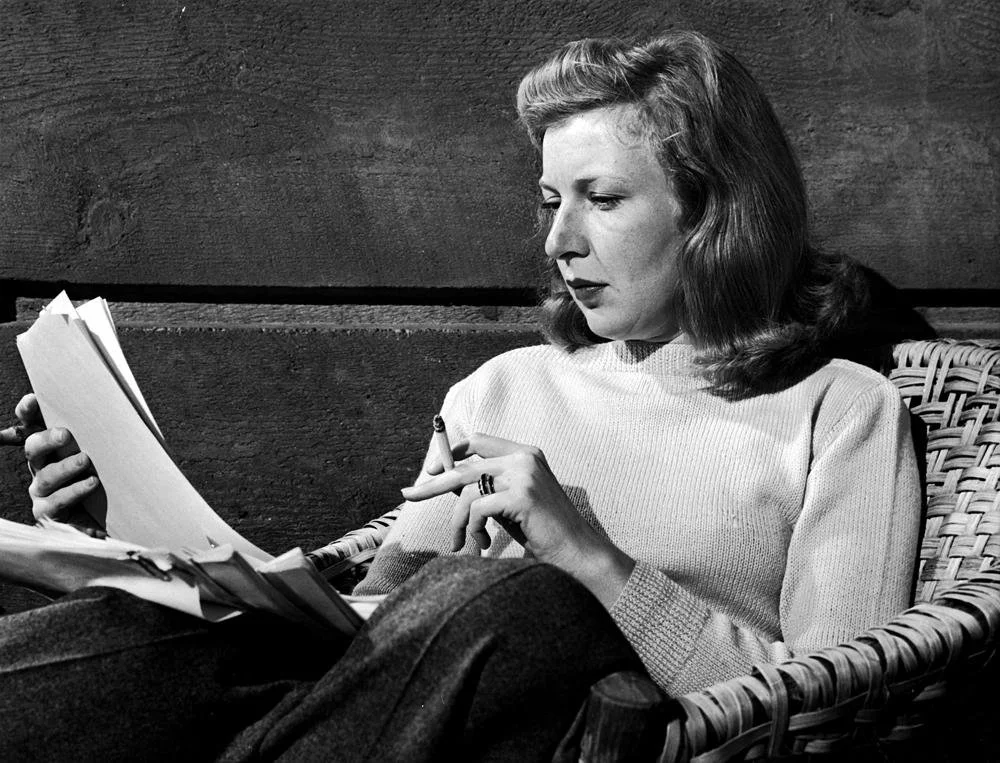
But where others covered bombing raids and troop movements, Gellhorn brought home the human cost. She interviewed officers to get “the official drivel,” but got heartfelt stories from civilians, nurses, and others caught in the crossfire.
Afraid? “I was always afraid, that I would forget the exact sound, smell, words, gestures which were special to this moment and this place.”
Gellhorn was raised to be fashionable but feisty. Her mother, a St. Louis suffragette, took her daughter to voting rights rallies. Sent to “finishing schools,” Gellhorn moved on to Bryn Mawr but soon dropped out and fled to Paris to write a novel.
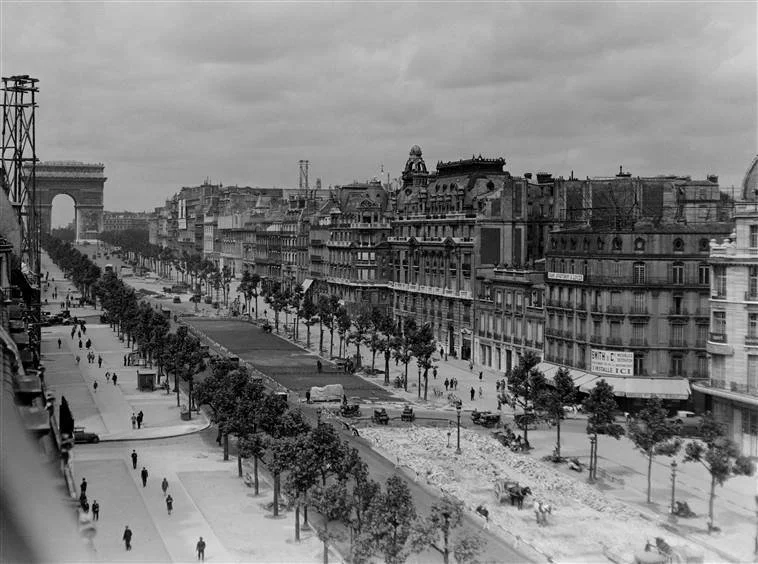
Her first novel would have to wait. Hired by United Press, she began sending back dispatches. When sexually harassed, she complained and was fired. She would never stand for that. Later, asked what Turkish she learned on assignment, she replied, “I learned the Turkish for ‘Fuck off, I’m old enough to be your grandmother!’”
After two years in Paris, Gellhorn came home. Hired by FDR’s Brain Trust, she lived in the White House as the First Lady’s assistant. She helped Eleanor write her “My Day” column, then joined the Federal Emergency Relief Association to roam America reporting on hard times. One assignment took her to Key West.
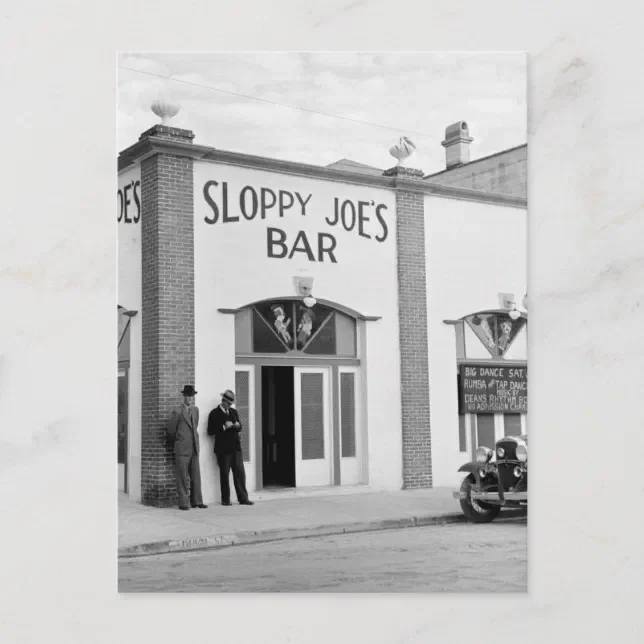
On Christmas Eve in 1936, at Sloppy Joe’s Bar, Martha Gellhorn met Ernest Hemingway. The man and his legend would annoy her the rest of her life. But first, the cinematic couple fell in love. Gellhorn was bound for Spain to report on civil war. Hem tagged along.
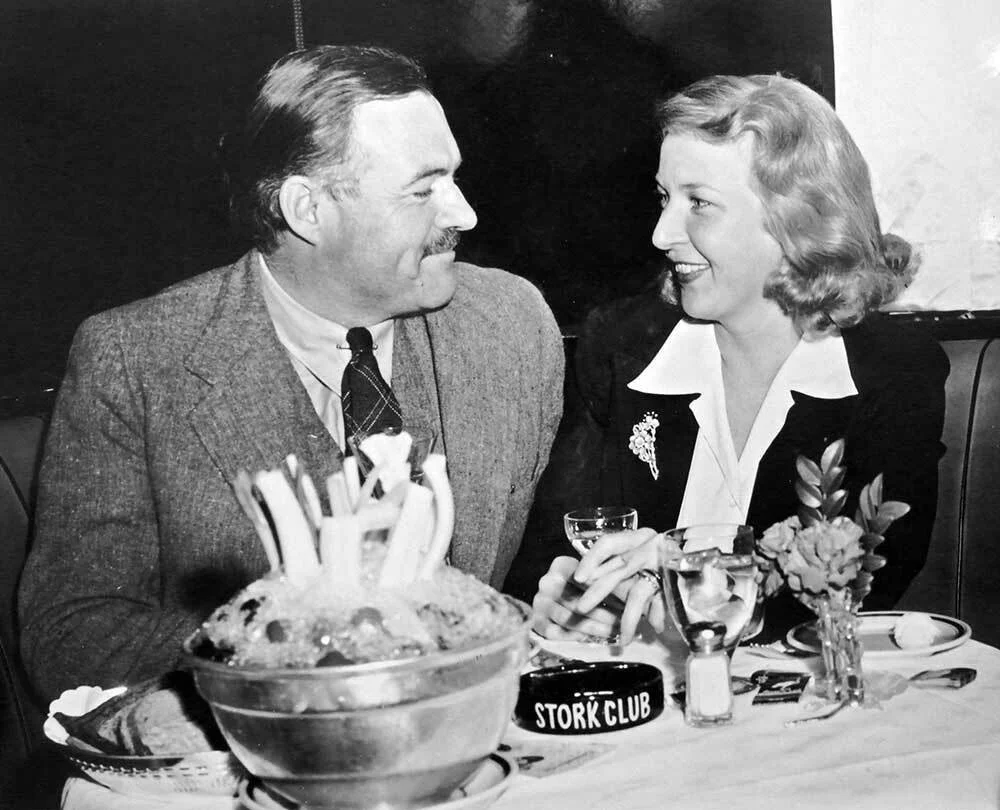
Hemingway fictionalized the war in For Whom the Bell Tolls, but from the bombing of Barcelona to the suffering in military hospitals, Gellhorn followed the real story. Then as the shadow of fascism spread, she reported on Nazi invasions of Finland and Czechoslovakia.
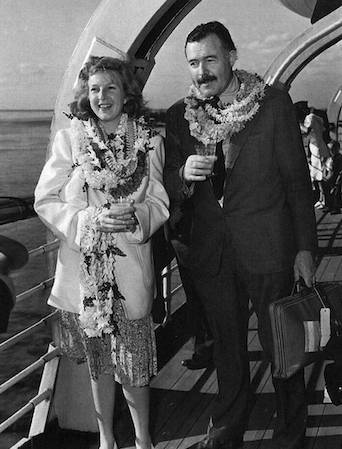
Hemingway and Gellhorn married in 1940. They honeymooned, on her assignment, in China, but back home in Cuba, they clashed. Gellhorn resented being “Mrs. Hemingway.” “I hate the kitchen of life,” she often said. She refused to be “a footnote in someone else’s life.”
When the US entered World War II, Hemingway’s “war” was sailing his boat off Cuba, hunting for spies. Gellhorn craved a wider war. In 1943, she returned to the front, reporting from Italy. Hemingway fired off a letter. "Are you a war correspondent, or wife in my bed?" She chose the former.
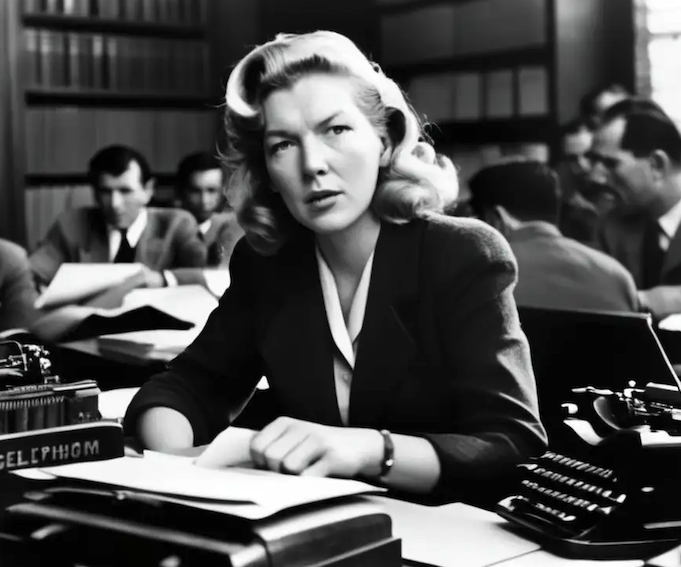
As D-Day approached, Gellhorn did not want her famous husband to miss out. She got him a seat on an R.A.F. flight to England. Come June 1944, however, he cheated on her with more than his usual affairs, getting an assignment with Collier’s to cover the invasion. Gellhorn was furious.
On June 5, denied official credentials, she drove toward the English Channel. Police pulled her over. She was reporting on “the woman’s angle,” she said. “No one gave a hoot about the women’s angle,” she remembered. “It served like the perfect forged passport.”
Claiming to be a nurse, Gellhorn boarded a hospital ship and locked herself in the bathroom. “Double and triple clap of gunfire,” she scrawled in her diary. “Unseen planes roar. Barrage balloons. Gun flashes. One close shell burst. Explosions jar the ship.”
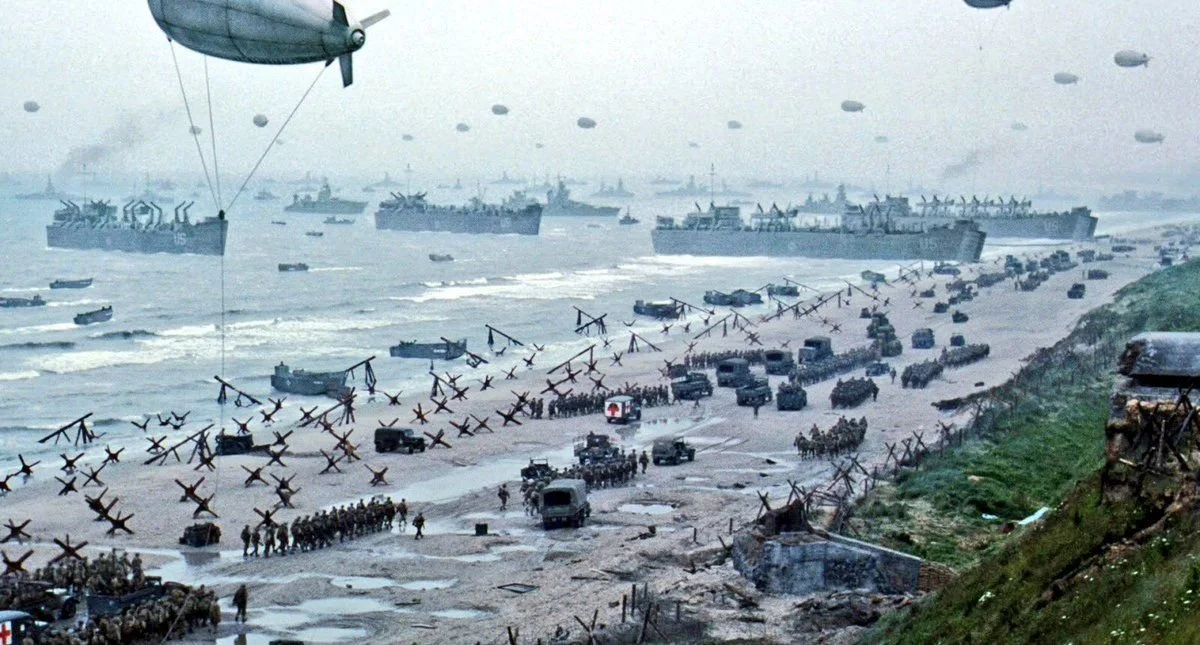
She spent D-day with wounded men on board. Two days later, she hit the beach. Though Hemingway never did, Collier’s put his report on its cover. Gellhorn’s was rendered to back pages.
Following the invasion, Hemingway went to Paris. Gellhorn went back to the front. When the war ended, she was witnessing the liberation of Dachau. “Dachau seemed to me the most suitable place in Europe to hear the news of victory. For surely this war was made to abolish Dachau, and all the other places like Dachau, and everything that Dachau stood for, and to abolish it forever.”
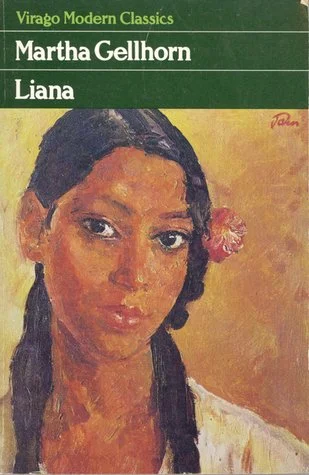
Mrs. Hemingway soon got a divorce. For the rest of her life, she granted interviews only when assured that He would not be discussed. She returned to her first love — novels — and published six. Whenever war broke out, she pursued her other calling.
Though often linked to one headlining man or another, Gellhorn cherished her solitude. She lived, she calculated, in 19 different homes around the world, including Kenya and finally South Wales. “She was very mysterious, socially,” a friend said. “There were hinterlands beyond her hinterlands.”
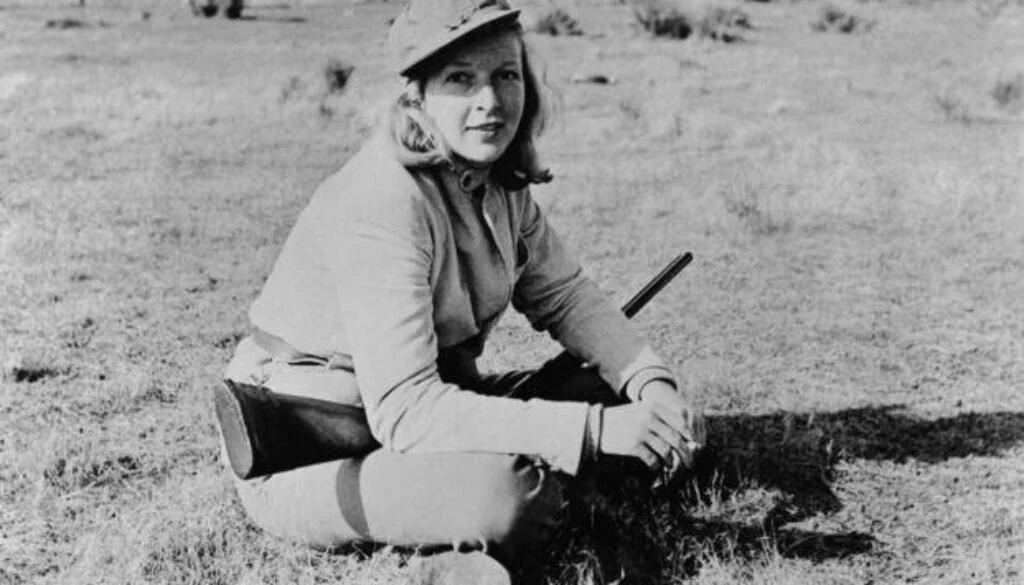
In 1989, when the U.S. invaded Panama, the 81-year-old Gellhorn went door-to-door interviewing survivors. Seven years later, she made a final report, for Granta, about poverty in Brazil. Then at 89, suffering from ovarian cancer, she ended her life with cyanide.
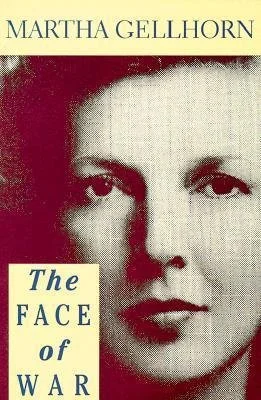
Known for decades as “Hemingway’s third wife,” Gellhorn has since come into her own. Five biographies. Her letters. Re-issues of her novels and short stories. A Martha Gellhorn Prize for Journalism honors reporting that, like hers, presents “the view from the ground."
Having seen life and war through an embattled lens, Martha Gellhorn knew that its bell tolls for all of us. “There has to be a better way to run the world,” she wrote, “and we had better see that we get it.”