

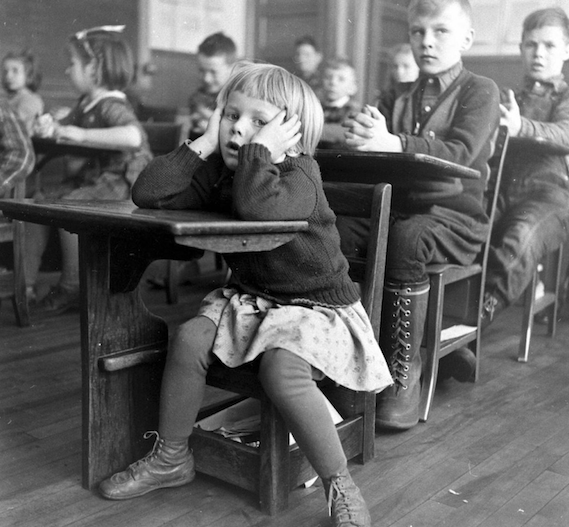
KIDLAND — 1950s — Back before America’s kids glued themselves to screens, boredom lurked in every bedroom. Every kid knew its menace. Every kid was prepared to spend any sum, try any toy to conquer ennui. But face it, kids. Most toys were stupid.
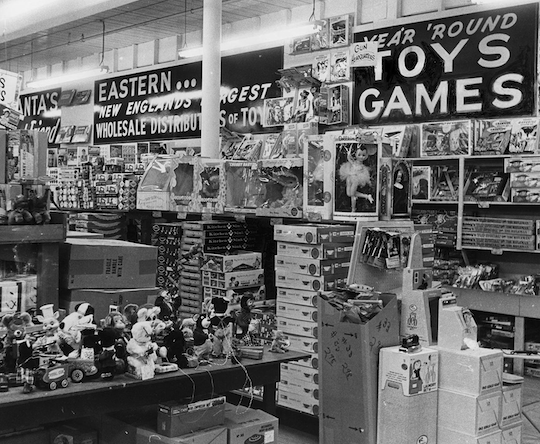
There were toy trains that did nothing but roll, toy cars that didn’t even honk. What could you do with a Slinky once it was slunk? Lincoln Logs built a whole cabin in five minutes but then what? There was only so much you could ask your 8 Ball, and you needed an engineering degree to master an Erector Set.
Then suddenly came the toy company that “virtually defined frivolity in postwar America” (New York Times).
On each commercial, a parrot chirped: “It’s Wham-O! It’s FUN!”
This single toy company gave us Hula Hoops and Frisbees, Slip n’ Slides and Superballs, Trac Balls, Silly String, Limbo, Water Wiggle. . . the list went on. But who was Wham-O and how did they know exactly what kids wanted?
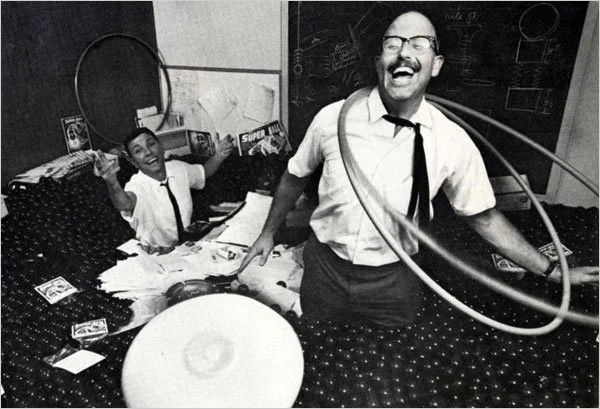
Wham-O started with two grown men who never grew up. Richard Knerr and Arthur “Spuds” Melin met as teenagers in Pasadena, California. After graduating from USC, each was expected to follow in his father’s footsteps, Knerr in real estate, Melin in lumber. Do I hear a “borr-inng?” Instead they tried falcons.
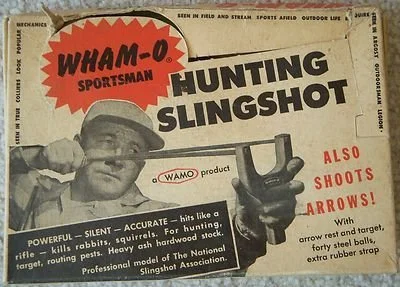
One day in 1948, while breeding falcons, Knerr and Melin began firing chunks of raw meat from a hand-made slingshot. Fun, eh? One falconer told them he didn’t want a bird but he sure would like that slingshot. Within a month, Knerr and Melin were carving wooden slingshots on a bandsaw they bought at Sears for a $7 down payment. They named their company after the sound a kid makes when a carefully aimed projectile hits the target — WHAM-O!
Until 1957, Wham-O sold sporting goods — slings, crossbows, and boomerangs. Then the two big boys met a man selling flying plastic discs out of the back of his pickup. Knerr and Melin bought the design, then had an engineer add some aerodynamics. They called it a Pluto Platter, but later chose a better name. Frisbee. Their timing was perfect.
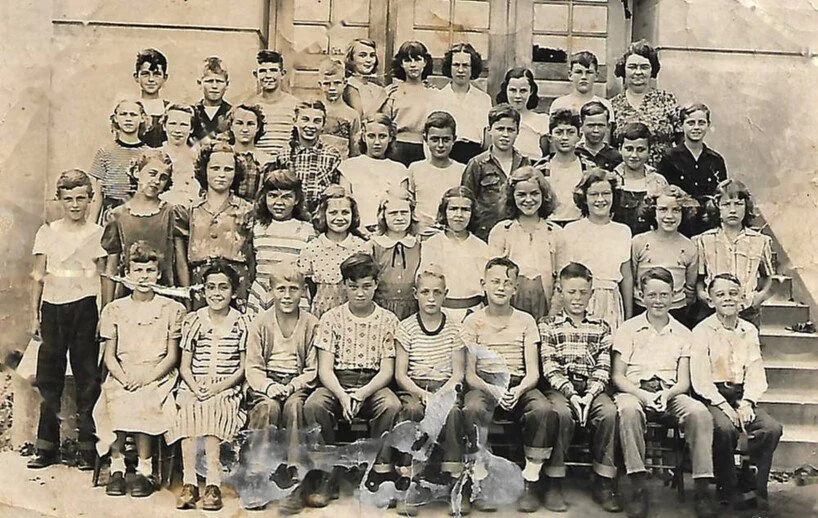
The 1950s was the best time in history to be a toymaker. Kids were everywhere. My own culdesac had more kids than Manhattan, all hungry for fun, all with a dime or two “burning a hole in your pocket,” as my mother used to say.
Wham-O’s breakthrough came in 1958 when an Australian firm sent Knerr and Melin a large bamboo hoop. Seems Aussies were exercising by gyrating their hips to keep the hoop aloft. “Spud brought it home and showed it to me,'' Mrs. Melin recalled. ''He said it would be huge. But I said, 'You can't put that on television. They just banned Elvis Presley's hips from the Ed Sullivan Show.'”
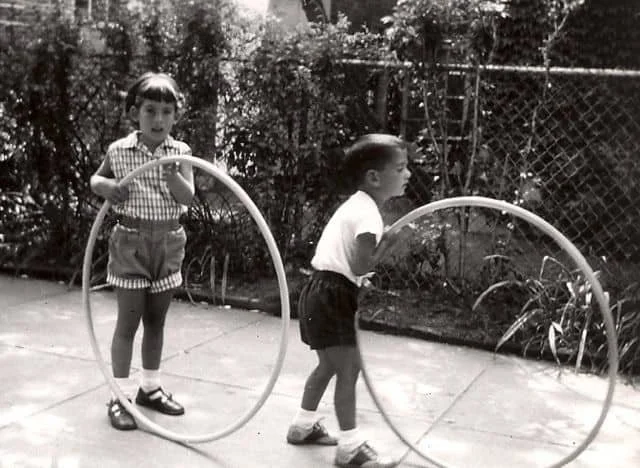
Luckily, fun rarely listens to skeptics. Knerr and Melin changed the hoop’s bamboo to hard plastic. Pasadena first graders tested the prototypes. They couldn’t stop shimmying. And in just two years, Wham-O sold 100 million Hula Hoops. “No sensation has ever swept the country like the Hula Hoop," wrote the author of American Fads.
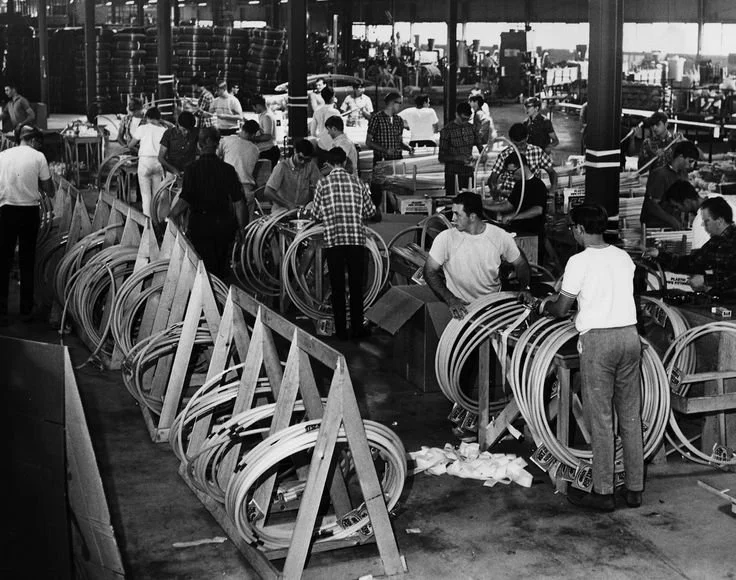
Alas, Wham-O’s founders were having too much fun to tend to business. Thinking the fad would never end, they had seven factories churning out Hula Hoops. When the craze crashed, they were left with millions of hoops and a net loss. The only solution — more fun!
Throughout the 1960s, Wham-O simply owned American childhood. Unlike other toy moguls, Knerr and Melin would meet with any inventor who walked in off the street. They received hundreds of ideas per month, but only a few had what Melin called “The Wow Factor!”
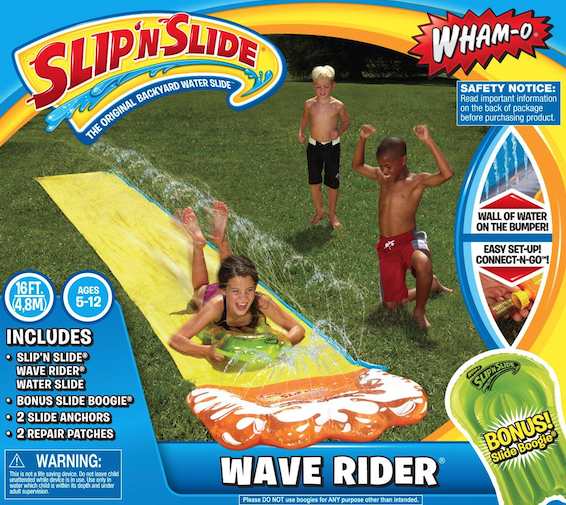
One day, a local upholsterer showed up with a long sheet of plastic and a hose. Wham-O called it the Slip n’ Slide. And sold 30 million. Wow! A toy fallout shelter flopped, as did Instant Fish. But then a local chemist fuel-injected some polymer, heated it, cooled it, and out came the Super Ball. Wow!
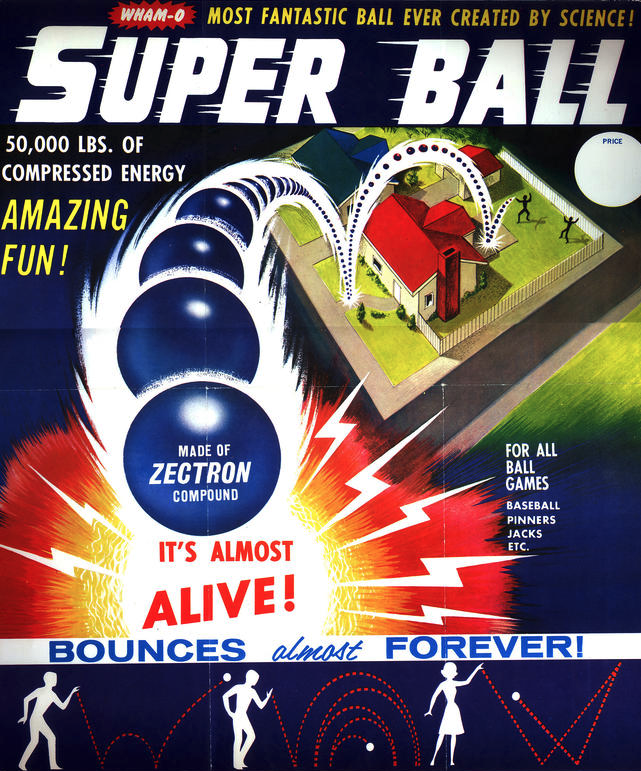
We kids had long been looking for a ball that would not just bounce waist-high but would blow past us coming off the nearest wall. Super Ball was it. Unfortunately the ball also blew chunks as it blew by, shedding pieces and splitting in half by week’s end. So we bought another. And another, each at a buck a pop. Twenty million in all. Meanwhile, the NFL needed a name for its new post-season championship. A team owner whose daughter loved Super Balls chose... Super Bowl.

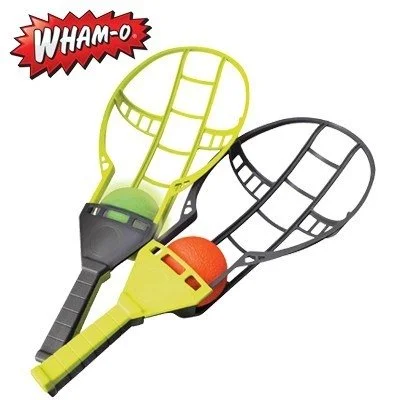
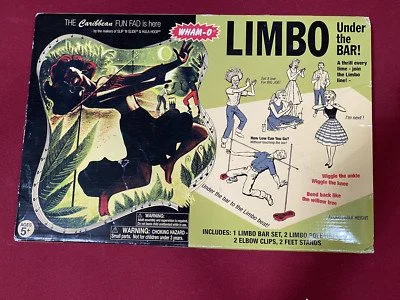
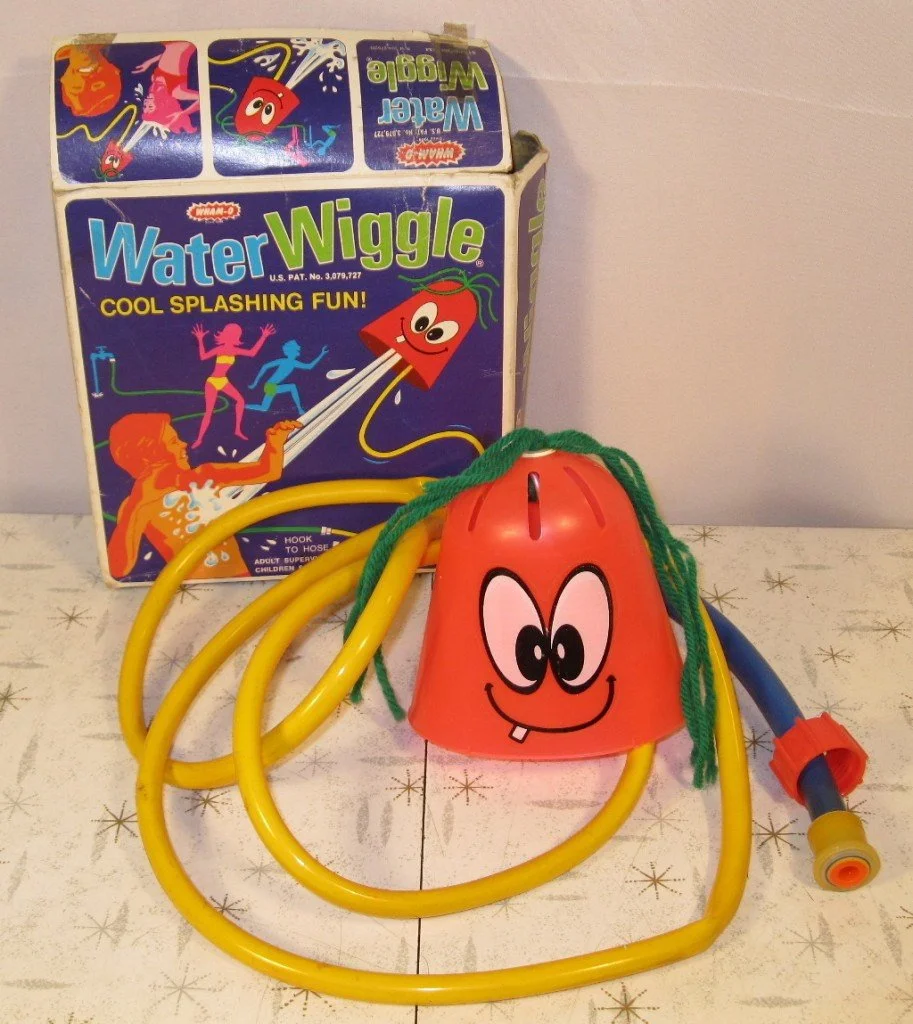
And on the fun went. Silly String was silly, messy, but fun. Trac Balls curved like no ball before them. Limbo showed us how low we could go. Water Wiggle made any hose come alive. But the 1970s brought Wham-O’s worst nightmare — aging. With Boomers all grown up, no one was having fun anymore. None at all.
In 1982, Knerr and Melin sold Wham-O for $12 million. The company was later bought by Mattel and is now owned by a Chinese conglomerate. The latest Wham-o product — pickleball paddles. Wham-o’s founders also aged, both passing away early in this funless century.

Today, whenever boredom lurks, screens are the go-to solution. But many still remember when Wham-O flew into childhood like a Super Ball and sailed out like a Frisbee. Its legacy was not just fads but toys that proved a timeless truth.
“Energy,” wrote the poet William Blake, “is eternal delight.”

"If Spud and I had to say what we contributed,” Knerr said, “it was fun. But I think this country gave us more than we gave it. It gave us the opportunity to do it."