
"MR. URBAN LEGEND" AND THE LIES THAT BIND
Stop me if you’ve heard this one. . .
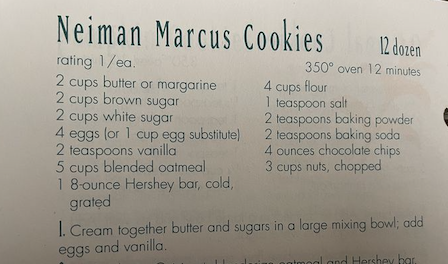
— A woman dining at Neiman-Marcus just loves their chocolate chip cookies. So she asks the waitress for the recipe. The waitress says she has to charge her, but just two-fifty. When the woman gets her bill, the recipe is listed as $250!
— A babysitter gets creepy phone calls. Heavy breathing. She calls the cops who trace the call. “Get out of the house,” they tell her. “Now! The call is coming from upstairs!”
— And this just in. Seems that Haitian immigrants in Springfield, Ohio are eating their neighbors’ pets!

I swear they’re true. All of them. A friend of a friend told me!
In fact, if “fact” still means anything, none of the above are true. Just ask Jan Harold Brunvand. He has found dozens of these stories from dozens of sources in dozens of cities. These are, Brunvald notes, “urban legends,” and they are strange, compelling, and funny. Until they’re not.
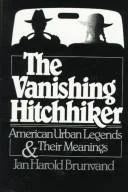
With his book The Vanishing Hitchiker, Brunvand became “Mr. Urban Legend.” Sharing America’s tall tales and “true” stories on radio, on Letterman, and in his own newspaper column, Brunvand became, The American Folklore Society wrote, “the legend scholar with the greatest influence on twentieth-century media.”
Urban legends are now so widely known that Brunvand once found a note on a computer: “I think Jan Harold Brunvand, alleged author of The Choking Doberman, is an urban legend. Has anybody ever actually seen this guy?"

Unlike the Doberman (who choked on human fingers), Jan Harold Brunvand does exist. These days, at 92, he does more fly fishing than folklore, but his collections of urban legends remain widely popular. And with or without a folklorist, urban legends saturate our Post-Truth society.
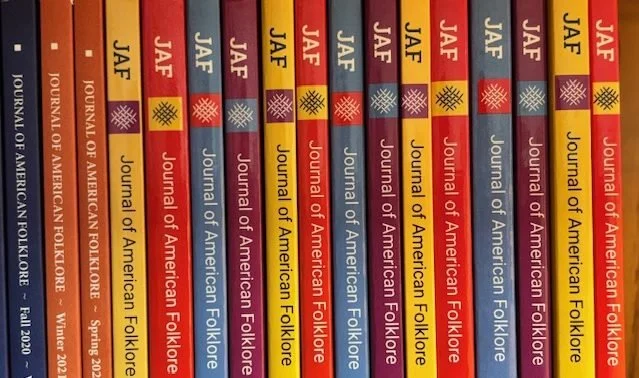
Brunvand, after a fairly factual childhood in Michigan, became fascinated with folklore in college. A class on proverbs and riddles “changed my life.” After collecting folk tales on a Fulbright in Norway, he returned to America to get a doctorate. He spent two decades as a dry academic, publishing, teaching, editing the American Folklore Society journal.
Then in the late 1970s, Brunvand noticed that his students at the University of Utah all thought folklore “belonged to somebody else, usually in the past, that was something quaint and outdated." So he asked them to share offbeat stories from back home. Spooky stories. Shocking stories. Stories “too good to be true.”
Students soon discovered they all knew the same stories. And Brunvand discovered a way to share them.

The Vanishing Hitchiker: American Urban Legends and their Meanings came out in 1981. Folklore, Brunvald explained, had not died out with Grimm’s fairy tales. Here were dozens of strange stories known by almost everyone. No, I swear it’s true. A friend told me. . .
— This woman found a mouse tail in her Coke bottle!
— New York has alligators in the sewers!
— Did you guys hear about the killer with the hook for a hand?
The Vanishing Hitchiker took urban legends out of the realm of “truth” and put them where they belonged — among jokes, rumors, and fake news. Sure, they’re fun, but if enough people believe them, they can lead to a “moral panic.” No, there was no rash of pedophilia in daycares in the 1980s. No mass alien abductions in the Nineties. No poisoned Halloween candy. . .
As a trained folklorist, however, Brunvand came not to castigate but to collect. The surprising success of The Vanishing Hitchiker led to The Choking Doberman, The Mexican Pet (actually a rat), The Baby Train, and his one-volume encyclopedia of urban legends.
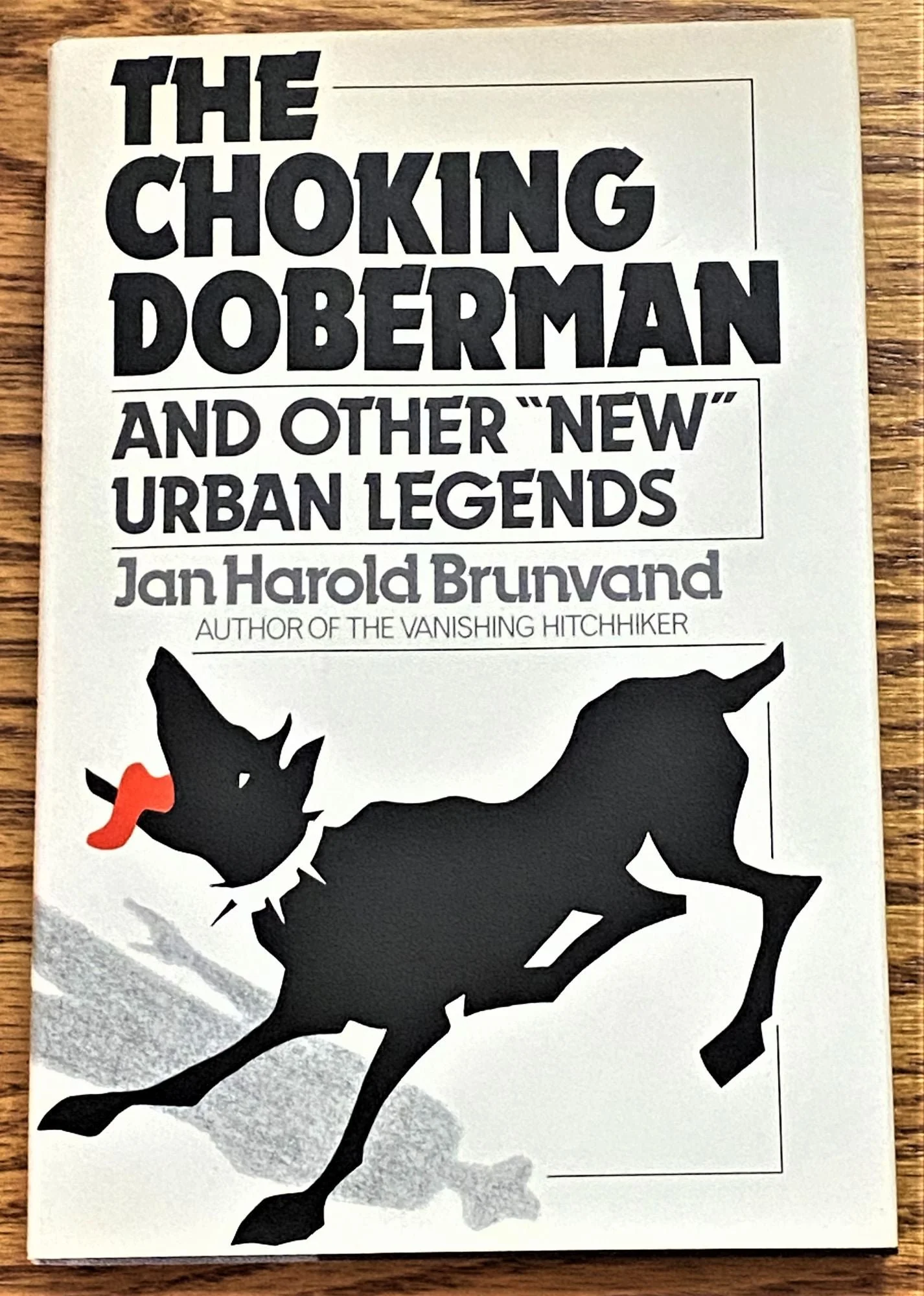
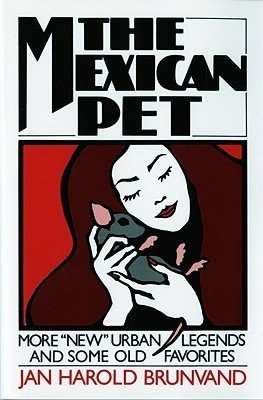
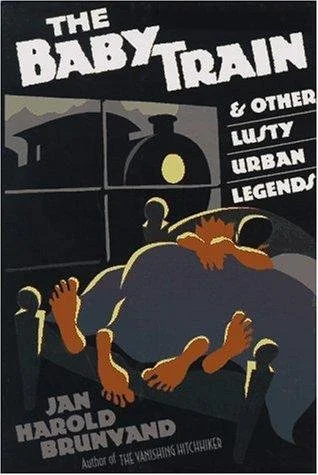
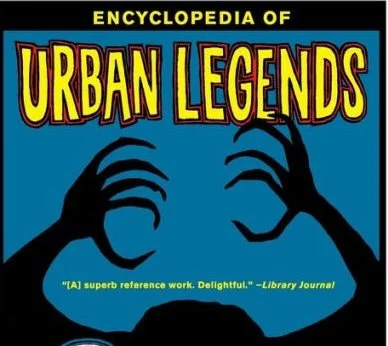
By 2000, “urban legend,” once known only in folklore circles, was popping up on album covers, horror movies, and websites across the perpetual middle school that dominates the Internet. Brunvand was not surprised.
“Urban legends have a persistent hold on the imagination because they have an element of suspense or humor, they are plausible and they have a moral." These “weird whoppers” are “"kissing cousins of myths, fairy tales and rumors.”
Brunvand’s collections achieved their highest compliment in parody. A Harvard Lampoon booklist included The Embarrassing Fart and More New Urban Legends by Jan Harold Brunvand. Among the mock legends were “The Senile President” and “The Smelly Gym Sock in the Big Mac.”
But Brunvand grew concerned when, despite his annotations citing the same local stories from all over, despite common categories from Chinese Restaurant mishaps to Tourist Horror Stories, people still believed. In 2004, he became a fellow of the Committee for Skeptical Inquiry, dedicated to debunking lies and myths. Still, he watched in awe as the Internet spawned new versions of old legends.

“Creepypasta” is the Internet term for spooky urban legends. Reddit has whole chatrooms of such stories. Snopes.com includes urban legends among the lies it painstakingly explains and debunks. Q-Anon is — never mind.
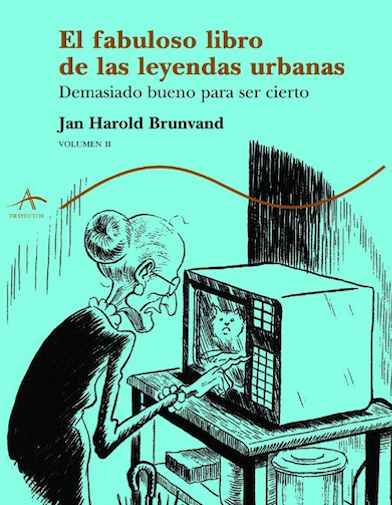
So just for the record — there never was a “Kentucky Fried Rat.” Sorry, but no old woman ever dried her wet poodle in a microwave and no kid ever told Bozo to “cram it, clown!” Paul McCartney is not dead. Elvis is. And no, Mr. President, (See Brunvand’s Colossal Book of Urban Legends, p. 362, “The Eaten Pets.”). Haitian immigrants were NOT eating pets in Ohio. Jefferson wept.
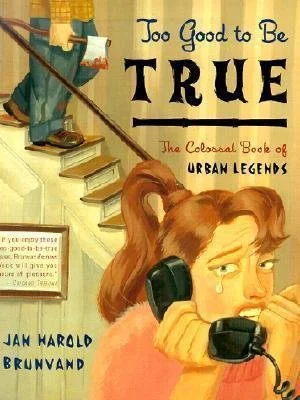
As Jan Harold Brunvand has taught us, stories “too good to be true” will never go out of style. Try to stay calm.