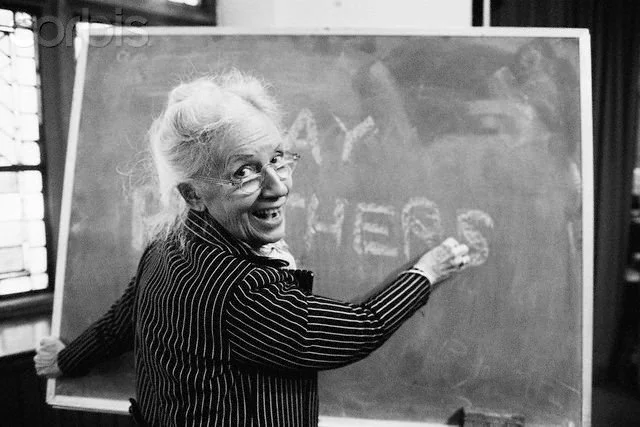
“WRINKLED RADICAL”
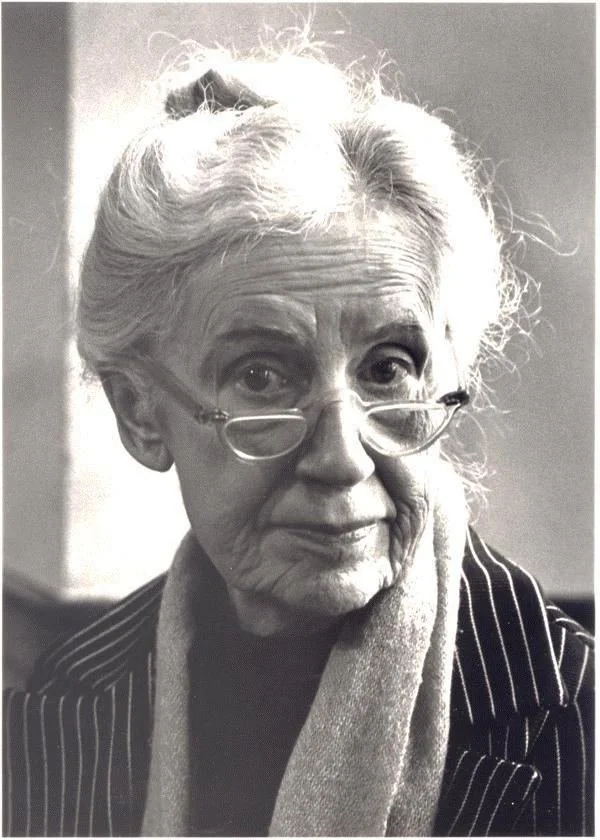
PHILADELPHIA, AUGUST 1970 — She was a little old woman, a wisp in the wind who had just turned 65. No signs of weakness or dementia, but everyone knew that 65 was the age of retirement. So church leaders gave her a sewing machine and expected her, she remembered, to remain “out of the way, playing bingo and shuffleboard.” They did not know Maggie Kuhn, but America soon would.
“I suddenly felt wounded and angry at having been sent out to pasture to get lost. Then I figured there must be thousands of old people just like me, and so I decided the time was ripe for us to fight back.”
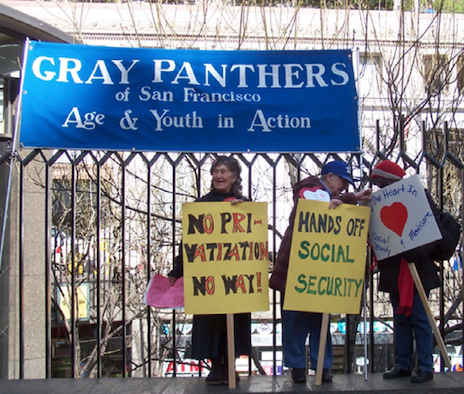
Within weeks, Kuhn and four friends formed The Consultation of Older and Younger Adults for Social Change. Within months, the group was renamed — the Gray Panthers.

“Ageism,” first defined in 1969, cuts both ways. People over 65 or under 25 suffer from silly stereotypes and legal limits. As the latest “ism” in a growing catalog, “ageism” was first mocked and ignored. Then Maggie Kuhn, calling herself “a wrinkled radical,” gave it a human face.
She was, the New York Times wrote, “A tiny woman who wore her hair in a prim bun that gave her the look of an ideal candidate to be helped across the street by a Boy Scout. But Miss Kuhn, who detested the term ‘senior citizen,’ made no apologies for her looks or her age.”
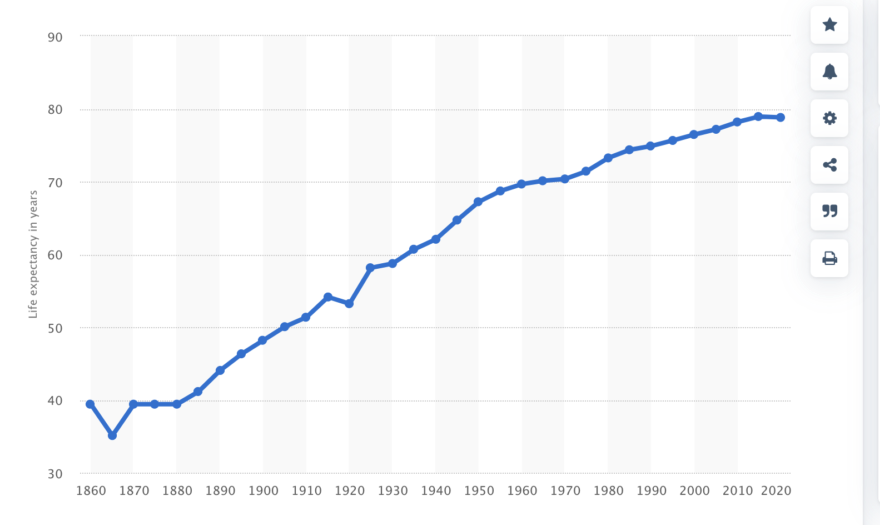
When she was born in Buffalo, in 1905, American life expectancy was fifty years. But along with her generation, she sailed past that age, working tirelessly for social justice. Through Depression, war, peace, and all the angst that followed, she sat on church boards — Unitarian and Presbyterian. She worked for YMCAs, hospices and elder councils, teaching, lobbying, and guiding policies towards every form of justice. So when the United Presbyterian Church forced her to retire, Maggie Kuhn was just getting started.
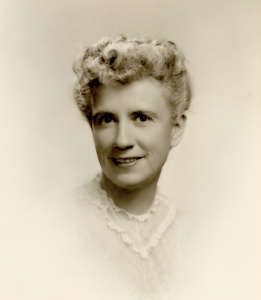
In the detritus of ideas that survived the Sixties, the Gray Panthers stood out like a teenager in a retirement home. By the mid-1970s, the group had 40,000 members in 32 states. Their protests transcended the novelty of gray-haired people with picket signs.
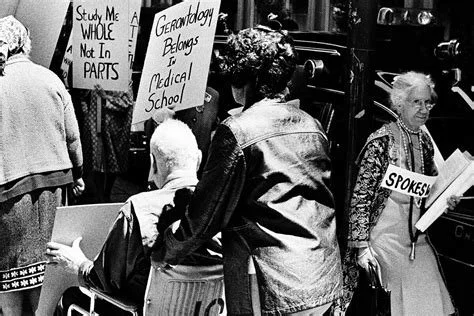
To protest a department store’s mandatory retirement, Panthers dressed in Santa suits, noting that Santa would be too old to work there. Challenging the American Medical Association for its neglect of aging, they crashed an AMA convention, making a “house call” dressed as doctors and nurses. The Panthers rallied for nursing home reform, fought cuts to Social Security and Medicare, and lobbied for universal health care. Imagine.
But the Panthers had more than chutzpah. They had Maggie Kuhn. Then in her 70s, she made 200 speeches a year. She appeared on “Donahue” and Carson, chiding Johnny for his insulting “Aunt Blabby” character. She testified before the House Select Commission on Aging, attacking TV stereotypes.
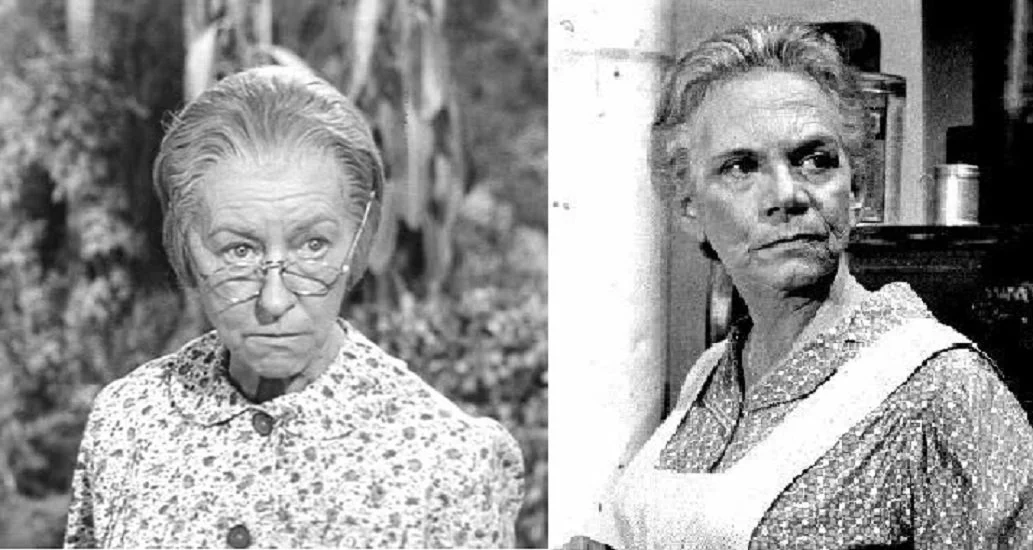
“When old people are portrayed, our faces are blank and expressionless, our bodies are bent over, and the senior shuffle is just a step away from the embalming room. Our clothing is frumpy and ill-fitting. Our voices are high pitched and querulous. The personalities of old people are likewise stereotyped. We are shown as stubborn, rigid, inflexible, forgetful, and confused.”
But Kuhn did not just talk a good game. She lived it. Insisting that “ageism” hurt the young as much as the old, she shared her Philadelphia home with activists in their twenties. Her “family of choice,” she called it.
Never married, which she attributed to “sheer luck,” she had an affair with one much younger man and another with a married minister. Sexuality, she said, is “the material of life and to deny it in old age is to deny life itself.”
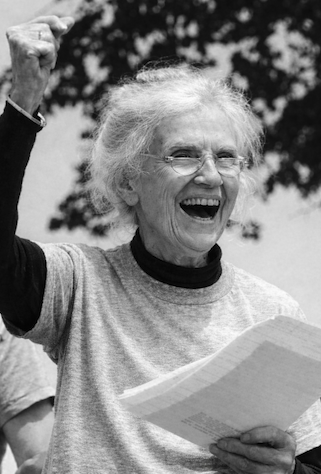
Age, she insisted, was neither a disability nor a disgrace. “The first myth is that old age is a disease, a terrible disease that you never admit you’ve got, so you lie about your age. Well, it’s not a disease, it’s a triumph. Because you’ve survived. Failure, disappointment, sickness, loss—you’re still here.”
When President Gerald Ford politely called her a “young lady,” Kuhn politely corrected him. “Mr. President, I am an old woman.” She later added, “My wrinkles are a badge of distinction. I earned them. Don’t flush away my life by denying them.”
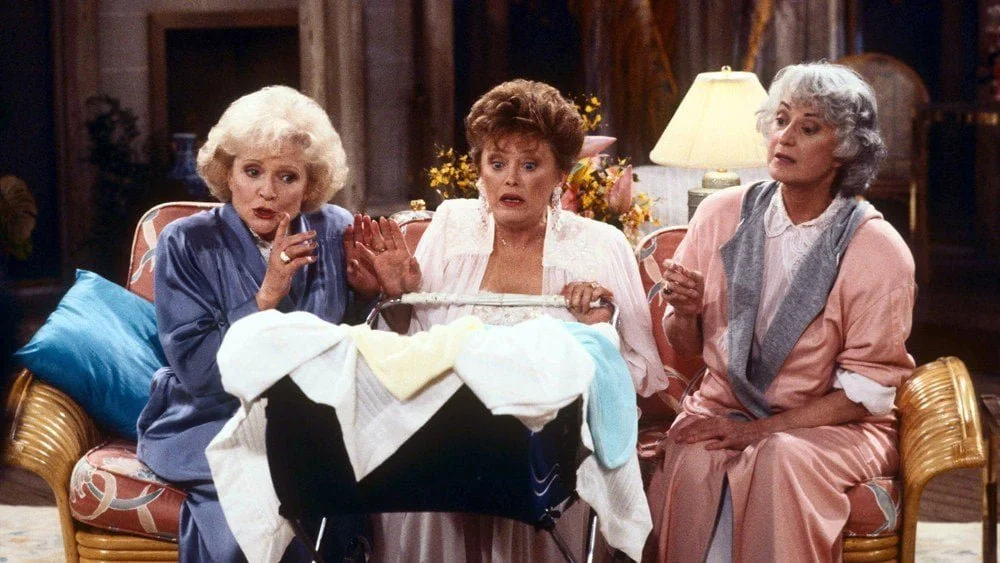
Though she seemed immortal, age finally caught up with Kuhn. She lived long enough to see TV offer older role models (”The Golden Girls, “Matlock,” “Murder, She Wrote”) and to see America’s (then) oldest president sign a law banning mandatory retirement in most jobs. She hoped to reach 90 but hedged her bets by holding a 90th birthday party three months early.
Then two weeks after joining striking transit workers on a picket line, Kuhn died in her home, holding her nurse’s hand.
The “ism” battles are never won, but Kuhn is credited with a sea change in America’s attitudes towards the elderly. Along with an epitaph — “Here lies Maggie Kuhn under the only stone she left unturned” — she gave lasting advice.
“Leave safety behind. Put your body on the line. Stand before the people you fear and speak your mind – even if your voice shakes. When you least expect it, someone may actually listen to what you have to say. Well-aimed slingshots can topple giants. And do your homework.”