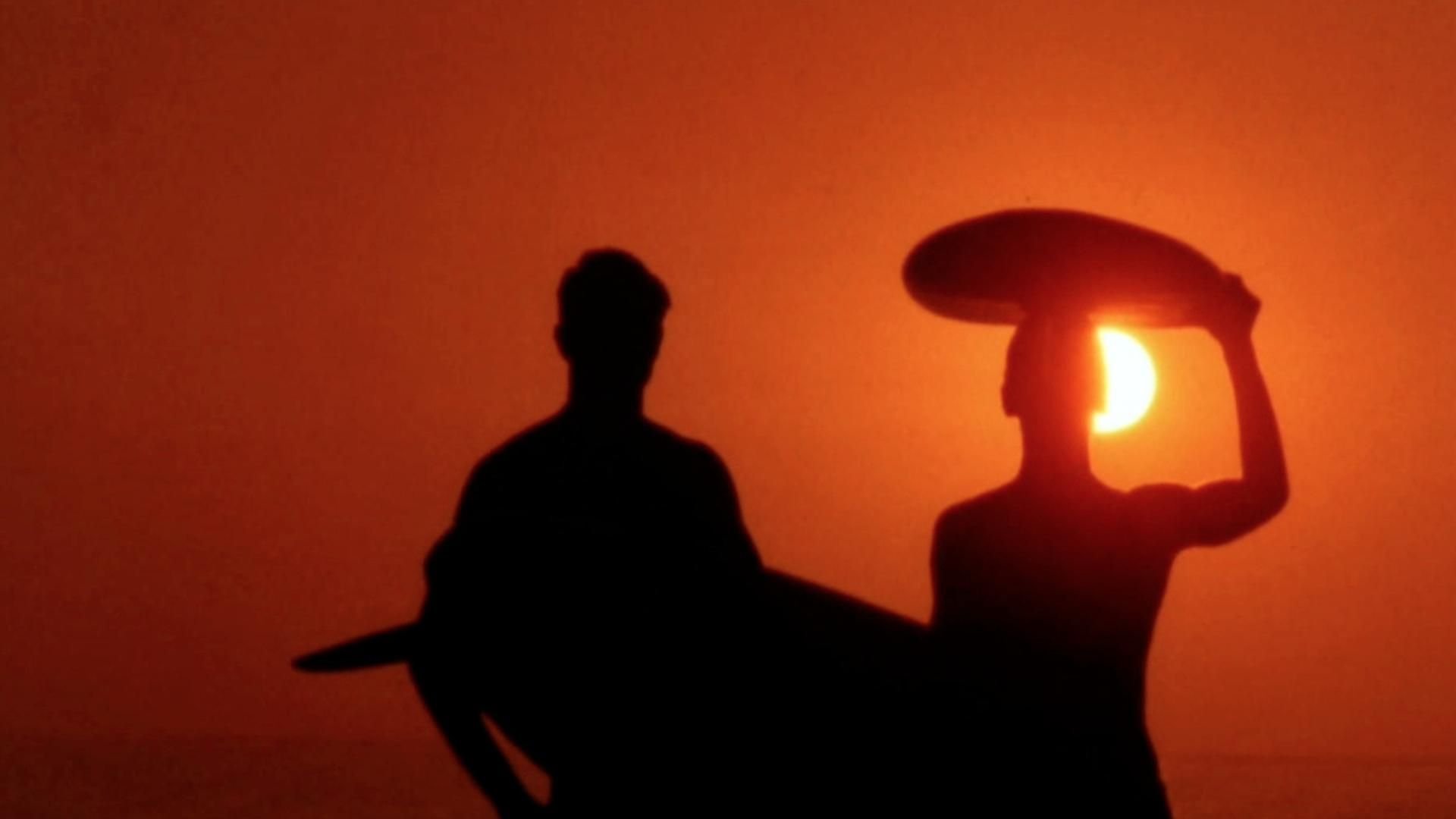
THE FILM THAT SANCTIFIED SUMMER
“I did not consider, even passingly, that I had a choice when it came to surfing. My enchantment would take me where it would.”
― William Finnegan, Barbarian Days: A Surfing Life
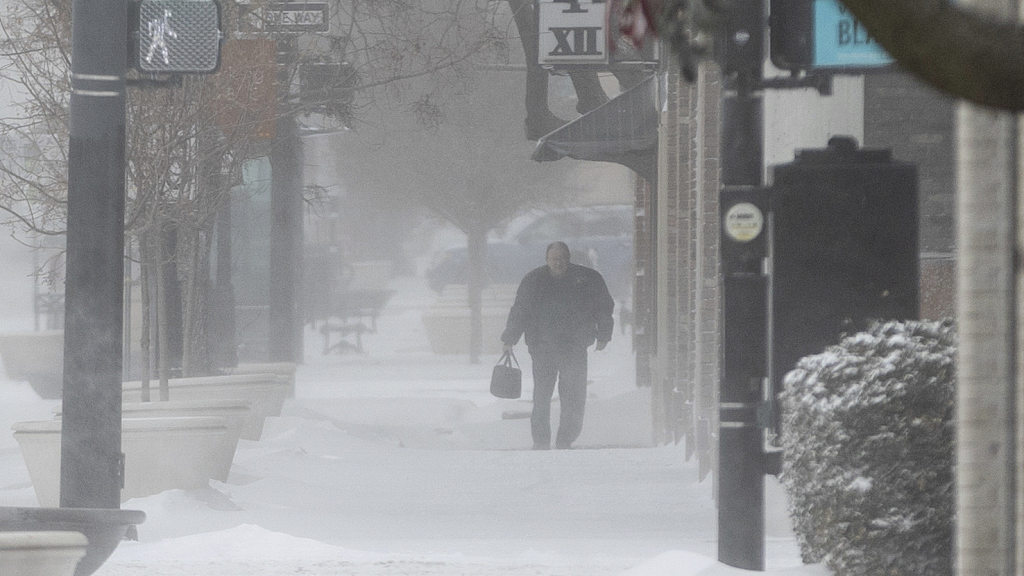
WICHITA, KS, JANUARY 1966 — As escape from winter in the Heartland, Hollywood sends its big budget blockbusters. “My Fair Lady.” “Dr. Zhivago.” James Bond’s “Thunderball.” Ticket sales are modest. Then one evening, as Wichita reels from the season’s biggest snowstorm, a low budget movie with unknown actors opens in a rented theater. Icicles hang from the marquee above a striking poster.
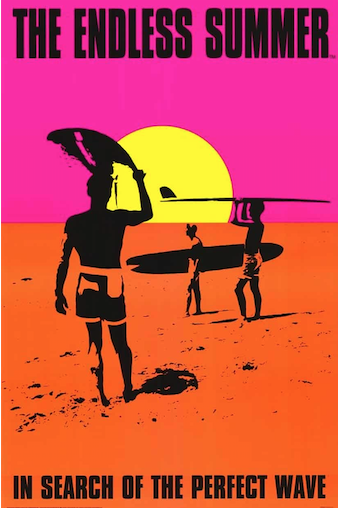
No location, no date could have been farther from sun and surf, but “The Endless Summer” sold out for weeks. Bruce Brown, who wrote, filmed, and directed the movie for $50,000, went back to Hollywood. Doors remained shut.
Part road film, part surf film, with a splash of humor and a wild hair of adventure, “The Endless Summer” was billed as the “search for the perfect wave.” But in following two young surfers from Africa to Tahiti and beyond, the film tapped a deep longing for freedom, and our deeper urge to — again — be astonished by this world.
Still screened in art houses and online, “The Endless Summer,” wrote the surf magazine Liquid Salt, “was about going out and exploring life to its fullest and meeting different people and enjoying the journey of being human on this planet.”
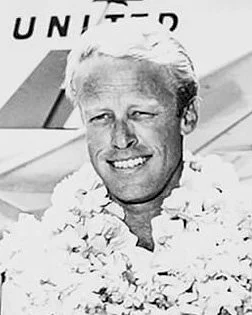
Bruce Brown was an accidental filmmaker. Though raised in Southern California, he only discovered surfing in the Navy, while stationed in Hawaii. His snapshots of surfers soon evolved into 8 mm movies screened in high school auditoriums, with Brown narrating live from the stage. “I never had formal training in filmmaking,” he remembered, “and that probably worked to my advantage.”
A few short films plunged Brown into California’s surf cult. There he met Dick Metz, who told tales of his three-year global tour, with surfboard. Metz’s goals: meet the girls of Tahiti, surf in Australia, travel to Africa, run with the bulls in Pamplona, and go to the Olympics in Rome. But Metz also told Brown of an empty beach in South Africa where the waves were long, unbroken, and, seriously dude. . . perfect.
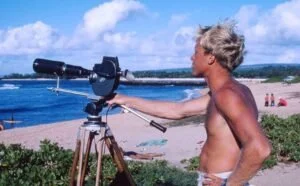
Brown raised $50,000, recruited two fellow dreamers, and made travel plans. Then he learned that a round-the-world ticket cost just $50 more than a flight to Capetown. And he had an idea.
“Many surfers ride summer and winter, but the ultimate thing for most of us would be to have an endless summer: the warm water and waves, without the summer crowds of California. The only way to do this is by traveling around the world, following the summer season.”
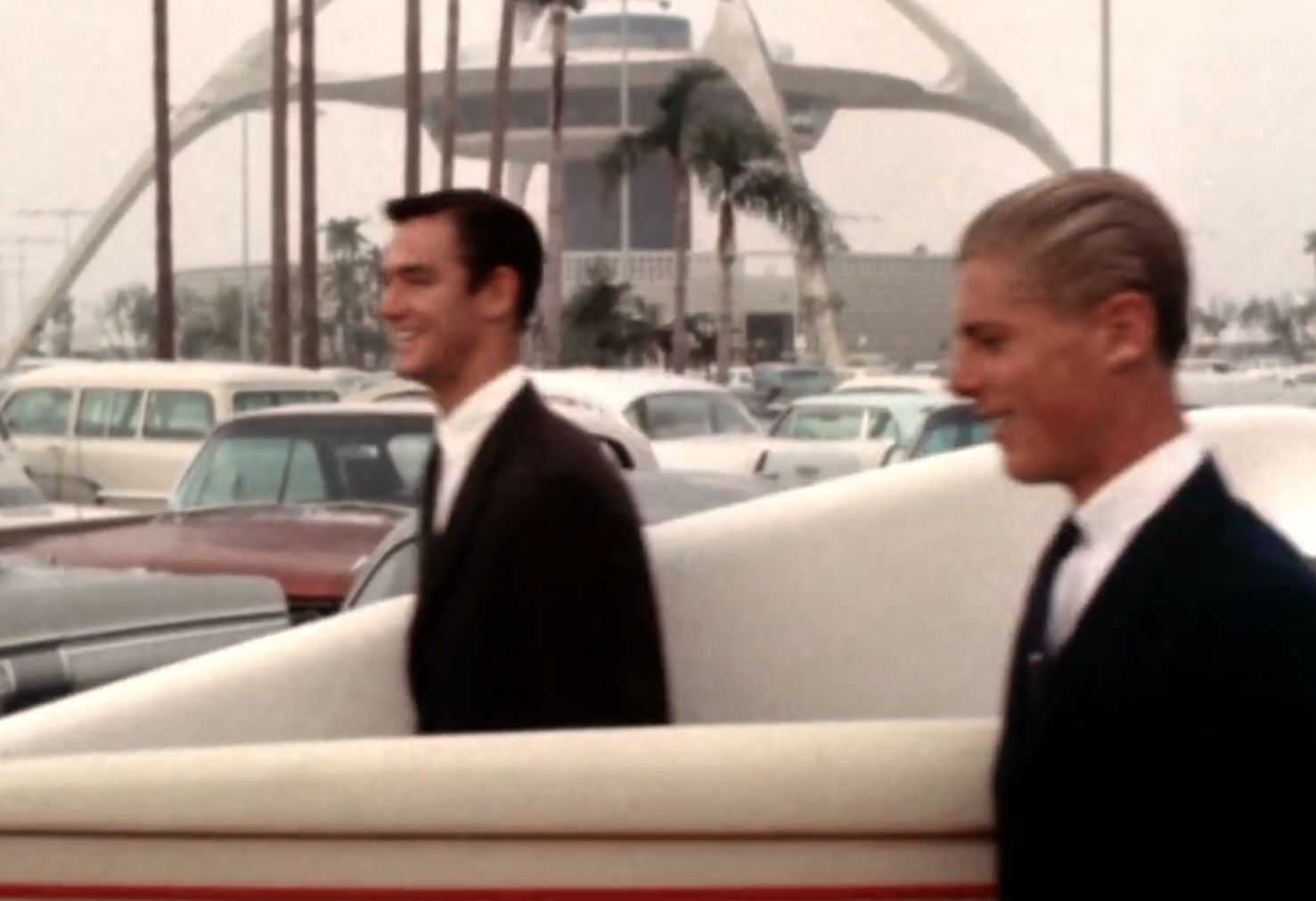
Mike Hynson was 21, Robert August 18. Both had surfed for years but never been out of the U.S. They agreed to pay their own way and to commit for three months. In the summer of 1963, wearing three-piece suits and toting their 10-foot, 45 pound boards, they flew with Brown to New York, then on to Ghana.
Landing in Accra, the three took a taxi straight to a fishing village where, Brown guessed, most people “had never seen a white man before.”
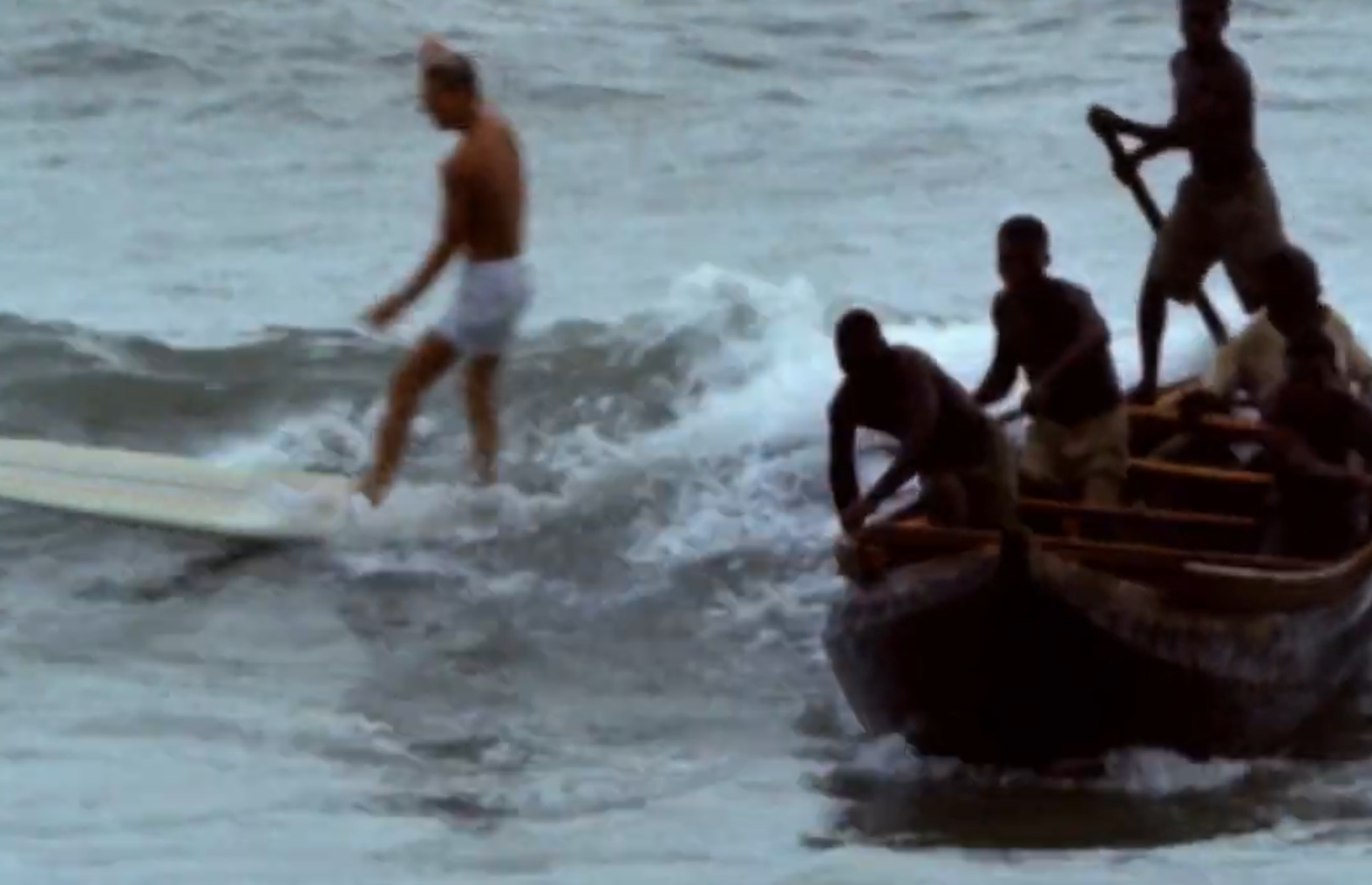
Hynson and August “really wondered if they were doing the right thing. Didn't know whether the U.N. had been there yet or not. They were a little nervous on the beach so they paddled right out into the water. Paddling out they had the horrible thought that maybe surfing would violate some religious taboo of the natives and they'd attack. During the first ride, the hundreds of natives were dead silent, but when Robert pulled out, they really went wild. That was the beginning of surfing in Ghana.”
And the beginning of an adventure that would cross cultures, build bridges, and enthrall the vagabond in all of us. Three months of filming led to a 16 mm version that Brown screened throughout Southern California. Cutting, revising his live narration, he perfected a homespun wit, like some friend telling tales on a beach at sunset.
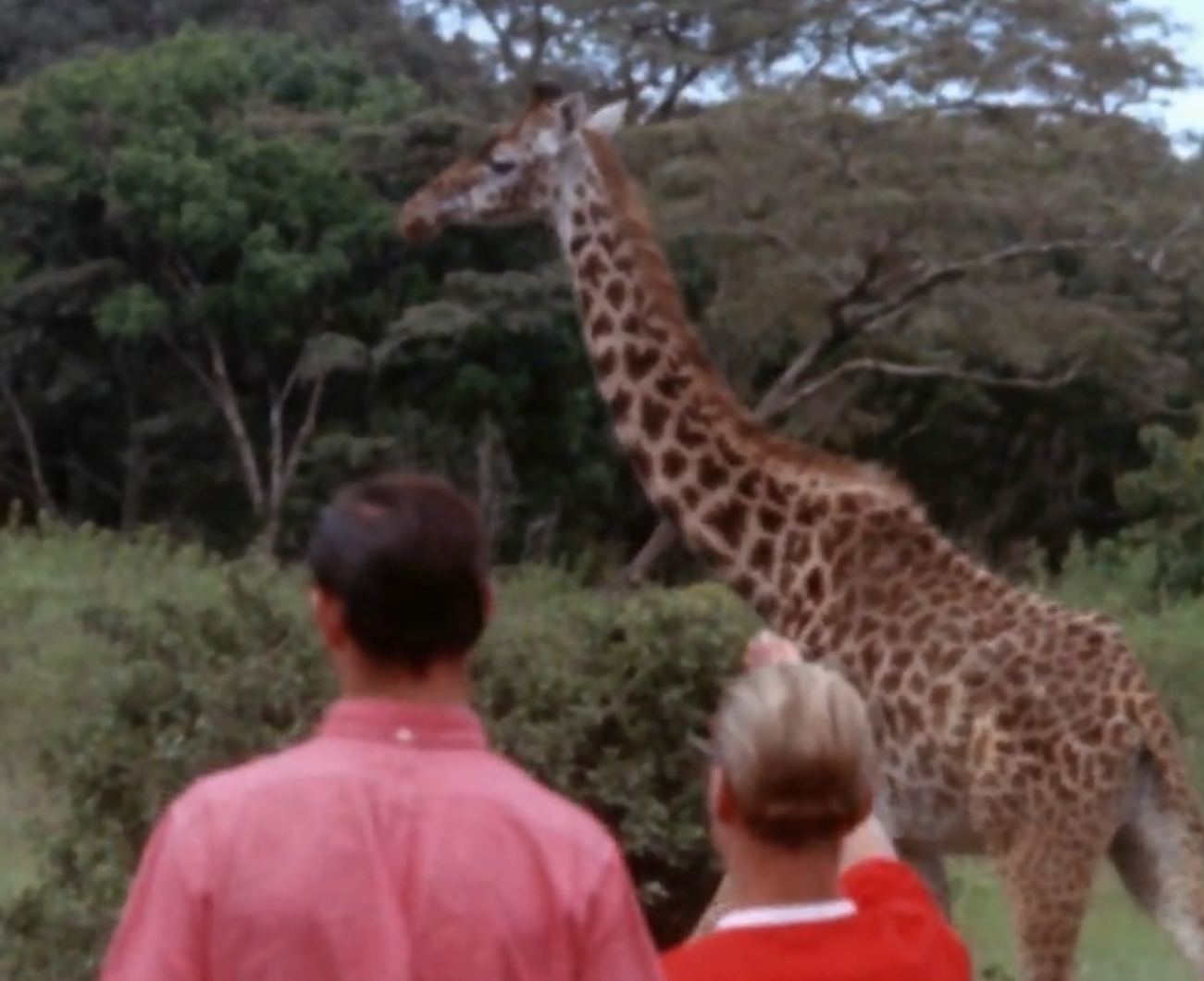
AUSTRALIA — “We call them sharks, the Australians call them ‘the men in the gray suits.’ Whatever you call them, they like your body.”
HAWAII: “Only a handful of surfers actually ride these big waves -- some of them are sportsman, some of them are nuts.”
SOUTH AFRICA: “You pass many beaches with not a soul on them, not a footprint in the sand, and there hasn't been one in ten years. You can be so alone on the beach down there, it's almost scary.”
All along the L.A. shore, “The Endless Summer” sold out auditoriums and surf shops. Some viewers returned again and again. When Brown got funding for a 35 mm version, he was sure Hollywood would bite.
“We don’t think it’ll go any more than ten miles inland,” he was told.
So Brown got a map and found the center of America. Kansas. “That’s where I ought to show this thing,” he said. “I’ll show these guys.” In the dead of winter, “The Endless Summer” charmed Wichita. On to New York.
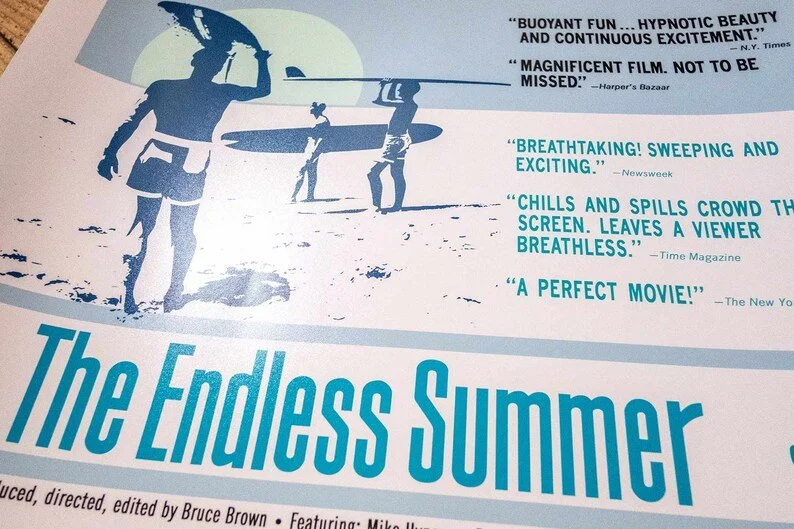
In June 1966, “The Endless Summer” opened in Manhattan. It was quickly hailed as “buoyant fun” (New York Times) and “a perfect movie” (The New Yorker). Night after night, the film sold out from one summer to the next, and Brown spent 18 months on the road, following his film as it grossed $5 million in America, $20 million worldwide.
But the film’s impact went well beyond the box office. “They made me want to explore new cultures and places and waves,” surfer Bianca Valenti said, “just made me dream of how beautiful the world is.”
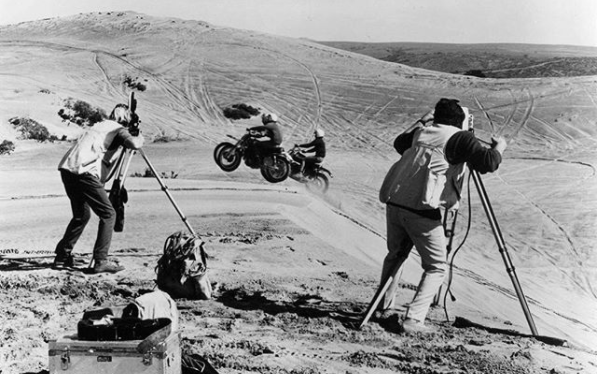
After riding his wave, Brown returned to L.A., “just relaxed and went surfing.” Five years later, his “On Any Sunday” captured motorcycle racing and was nominated for an Oscar. Brown later made a sequel to “Endless Summer” and a few other films, but his name remains linked with his summer zeitgeist classic. And with summer itself.
“With enough time and money,” Brown concludes, “you could spend your life following summer around the world. But, for now, the endless summer must end.”