THIS LAND IS YOUR LAND -- A ROAD TRIP REVIEW
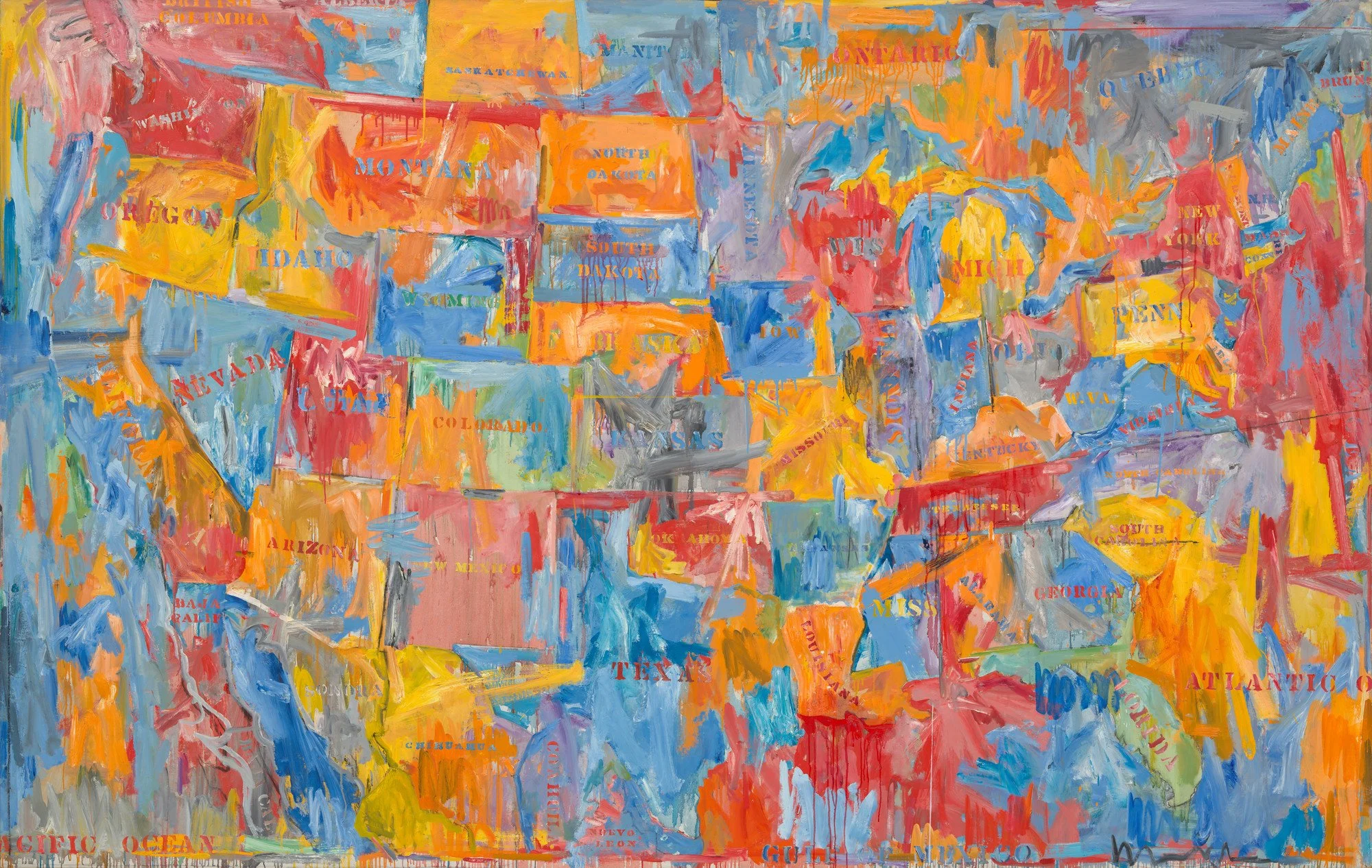
Anyone who has suffered a ponderous guide at some historical site (or in some classroom) knows the drill and the drone. The numbing details. The endless digressions. The sense that history is just one damn thing after another.
Memories of history told poorly make This Land Is Your Land: A Road Trip Through U.S. History such a great ride. And if ever we needed a guide to our embattled history, this 250th birthday year is the time.

Yale professor Beverly Gage, fresh off a Pulitzer winning bio of J. Edgar Hoover, hardly seemed a likely prospect for steering general readers through America’s historical sites, parks, and monuments. But Gage proves a surprisingly funny and fascinating guide, making This Land is Your Land required reading this summer. With this book, now a New York Times bestseller, perhaps we can resume the citizen’s task of balancing reverence with revulsion, and respect with reform.
In 2019, Gage left Yale and hit the road. Off and on over the next four years she visited 300+ historical sites from sea to shining sea. The Alamo, of course, and Mount Rushmore, but also the homes of forgotten presidents, the hideouts of abolitionists, and the various battlegrounds, real and metaphorical, that our history now embodies.
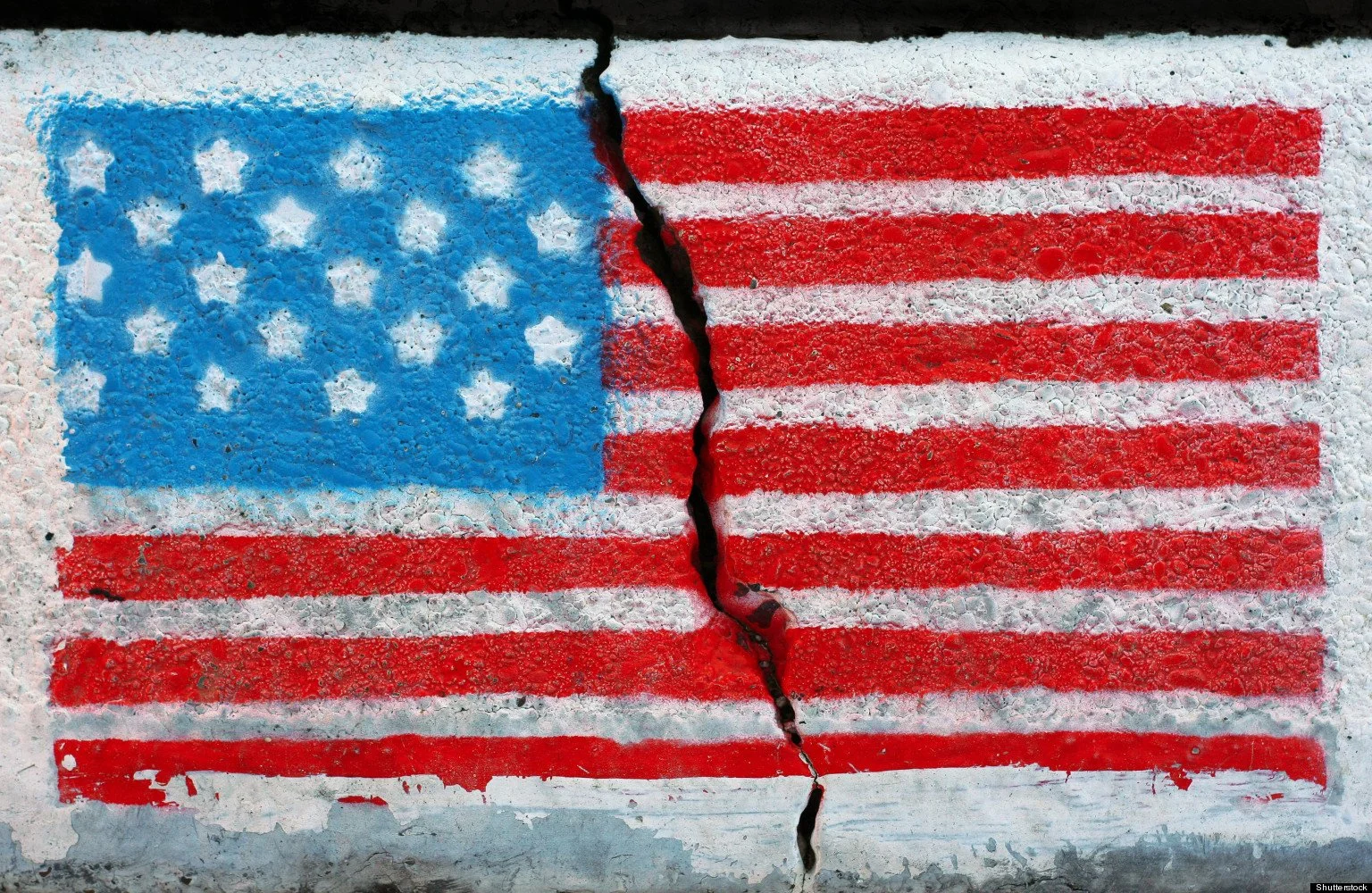
“What is history,” Napoleon asked, “but a fable agreed upon?” Pity the nation, then, that no longer agrees on its fable. As Gage discovers in site after site, our current politics is tearing through — and apart — this beautiful land.
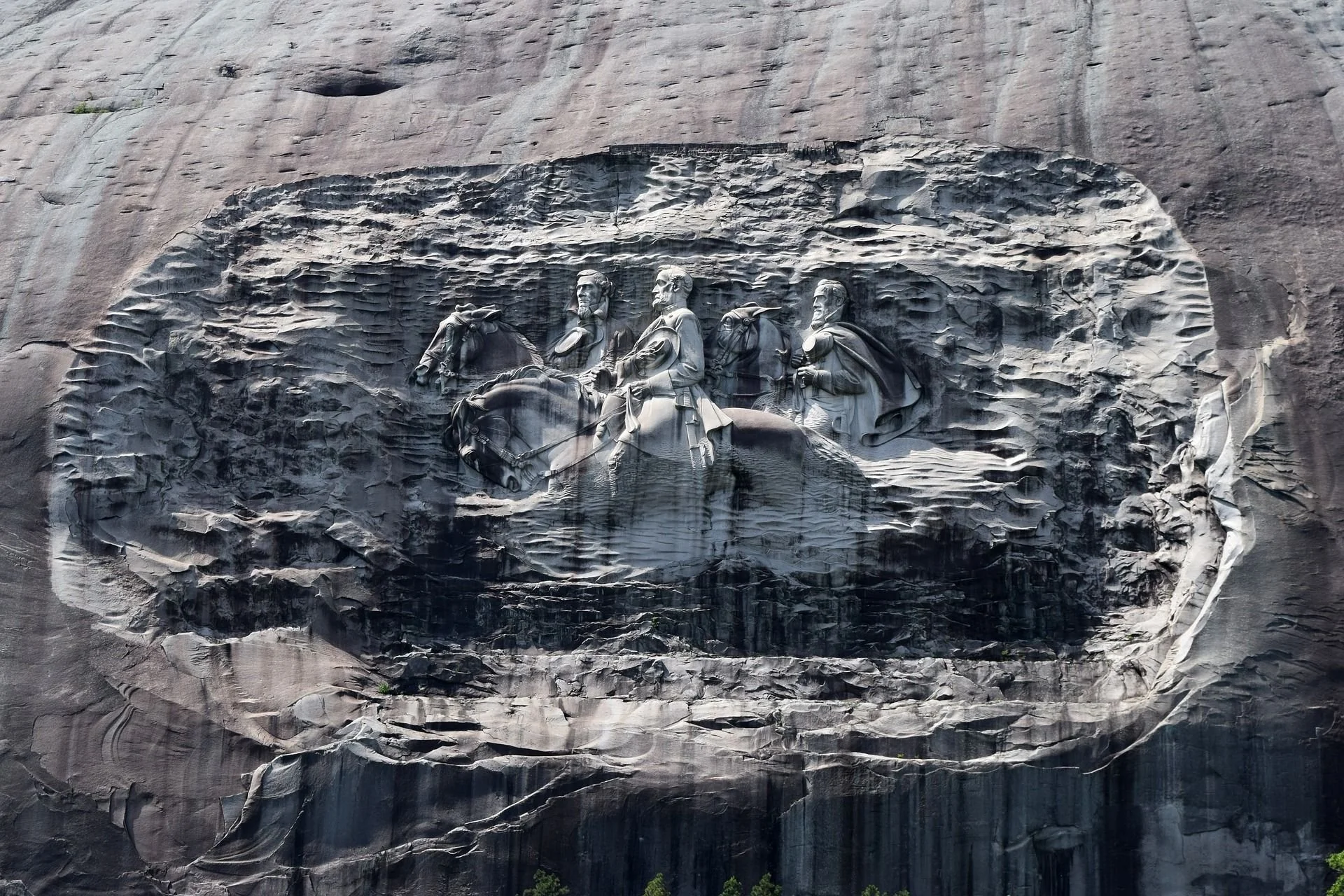
Did the Confederacy fight for a “noble cause” or for “white supremacy?” We follow Gage to Georgia’’s Mount Rushmore, Stone Mountain sculpture of Confederate heroes, where both sides fight for attention.
Was President Andrew Jackson a spirited man of the people or a genocidal killer? Jackson’s Nashville homestead, The Hermitage, barely mentions the Cherokee Trail of Tears that he railroaded through Congress.
And consider the plight of poor Emmett Till, whose historical marker placed where he was lynched in Mississippi has been riddled with bullets.
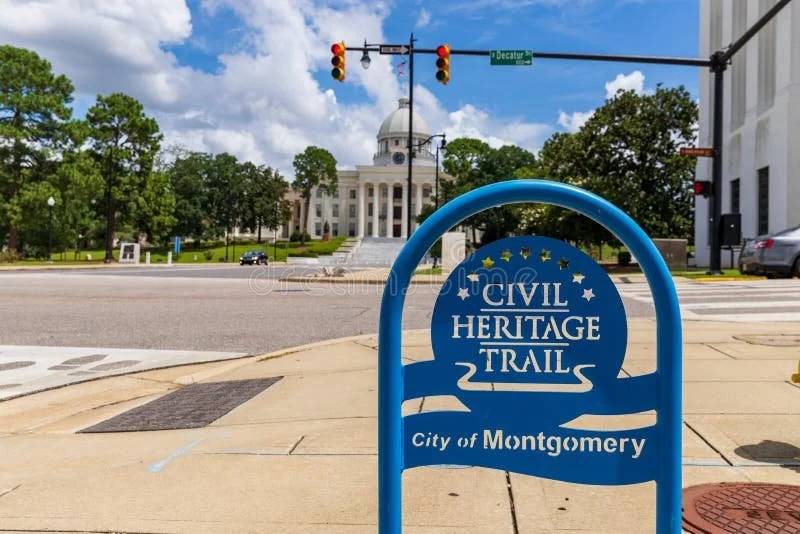
But Gage’s road trip does more than toe the divide. She also finds honest and hopeful public history — at the Women’s Rights National Historical Park in Seneca Falls, NY, at the museum honoring the Cherokee linguist Sequoyah, and at assorted sites along the South’s Civil Rights Trail. She even stays at an Air BnB in an old missile silo in New Mexico. And, of course, she takes her son to Disneyland.
“History,” Henry Ford famously said, “is all the bunk,” but Gage begs to differ. Rather than just traipse from site to site, she weaves a chronological narrative that fills in the enormous gaps left by brief historical markers and small museums. The result is that rare book that historian Jill Lepore defined.
“Some American history books fail to criticize the United States,” Lepore wrote in These Truths. “Others do nothing but.” Gage, like Lepore, finds a delicate balance, digging not in archives but where so many Americans fall in love with their country — on the road.
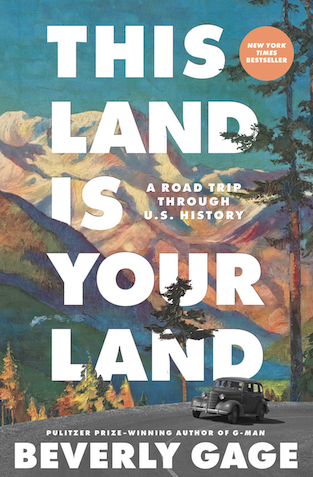
If you can’t hit the historical road this summer, This Land is Your Land offers a suitable substitute. Across the great divide, Gage finds a nation struggling to either cope with or wish away its troubled past. She admits to being “nervous” about the upcoming 250th birthday celebrations. Feeling good about America again is hardly an invite to honest history, she notes. Yet even as she separates history from myth after myth, she clings to “a quiet hope.”
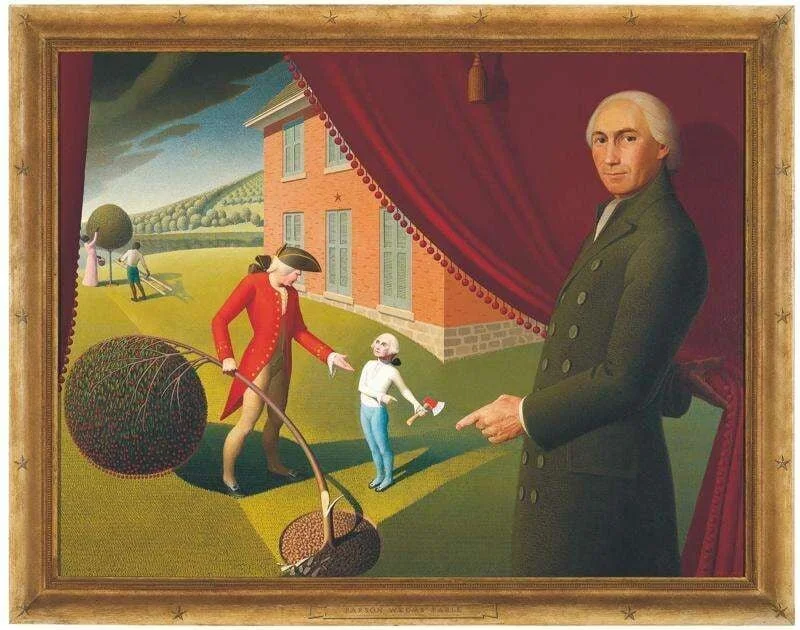
“Overall, like George Washington,” she writes in her epilogue, “I came away from my travels heartened about the state of our country — or at least more heartened than I might have been had I stayed home, doomscrolling through the news. Whatever else we may be, Americans are still engaged with discovering, documenting, reinventing, and showing off our history . . Even at the places where we go to confront the most wrenching, unjust, and difficult parts of the American past, there’s a quiet hope that next time we’ll do it better.”
The good news about history, she adds, is that it is “hard to suppress once people know it’s out there. And there are still many people committed to getting American history right.” Go meet them.